
Understanding custom magazine publishing services is essential. A full custom magazine publishing process should include editorial strategy, content creation, design, production management, printing, and delivery, handled as one continuous process, not separate vendors stitched together. The strongest results come from starting with editorial vision (what story the brand is telling and why) before any conversation about paper or print specs. When strategy, design, and production quality all serve the same editorial spine, the result is a magazine people keep on a shelf rather than recycle, which is the entire point of the investment.
What Should Custom Magazine Publishing Services Actually Include?
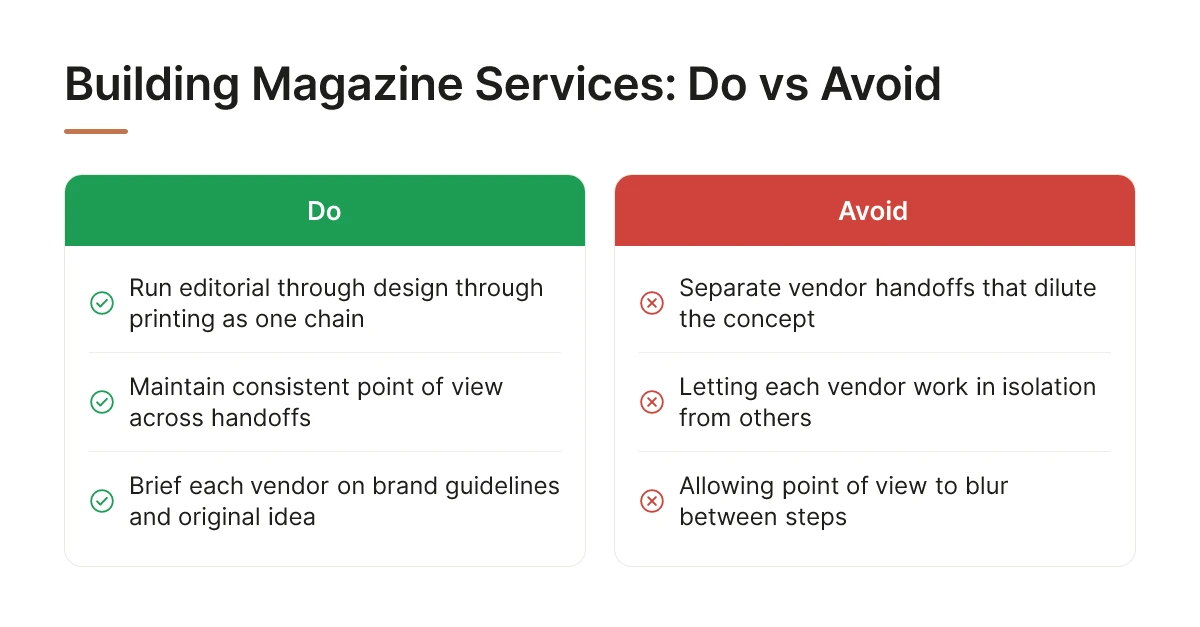
The full sequence runs from editorial strategy through content planning, writing, design, production management, printing, and distribution, as one unbroken chain, not six separate vendor handoffs.
Most companies don’t experience it that way. A marketing director briefs a copywriter, the copywriter hands pages to a freelance designer, the designer sends files to a printer who has never seen the brand guidelines, and somewhere in that relay the original idea gets diluted. Each handoff is a chance for the point of view to blur. By the time a printer is choosing paper stock, nobody in the chain remembers what the magazine was supposed to say or to whom.
Custom magazine publishing services exist to close those gaps. Instead of a designer, a copywriter, and a printer working from three different briefs, one team carries the same editorial spine from the first strategy meeting to the delivered box of finished copies.
What does a full-service publishing studio handle that in-house teams often miss?
A full-service studio catches editorial judgment and print production knowledge that in-house marketing teams rarely have on staff, plus the discipline to cut weak content before it reaches print. Marketing departments are built to produce campaigns, not editorial products, they’re good at messaging, less practiced at pacing a 60-page publication or knowing when a photo essay needs four spreads instead of two.
That gap shows up most in a studio’s willingness to say no. An in-house team under pressure to fill pages will often run a mediocre client interview because the deadline is fixed and the page count is set. An editorial team with production experience will cut it, because a magazine full of filler reads like a brochure, and everyone can tell the difference [5].
How does starting with editorial strategy change the outcome compared to starting with printing specs?
Starting with editorial strategy produces a publication with a point of view; starting with printing specs produces a well-printed brochure with nowhere to go. Guides built around production mechanics, trim size, paper weight, binding, treat those choices as the starting point [3]. That order is backward for a brand asset meant to sit on a coffee table for years.
Strategy-first work asks what story the brand is telling and to whom, before anyone discusses stock or bleed. The specs still matter, they just serve a decision that’s already been made, rather than standing in for one that hasn’t.
How Do You Build an Editorial Vision That Makes a Magazine a Lasting Brand Asset?
An editorial spine is a consistent point of view and story structure that carries through every issue, not a template where you swap in a new logo and call it done. It’s the thread that tells a reader, three issues in, “yes, this is still the same publication, and it still has something to say.”
Most companies that try to build a magazine in-house skip this step. They start with a design template, fill it with department updates and product features, and wonder why the result reads like a brochure with page numbers. Good custom magazine publishing services start from the opposite direction: define the editorial point of view first, then let design and layout serve that vision. Rethink Publishing builds this editorial spine before a single layout decision gets made, precisely because design without a defined point of view produces something polished but forgettable.
What’s the difference between a branded magazine and a publication that actually stays on people’s shelves?
A branded magazine that gets kept has real reporting and storytelling in it; one that gets recycled is repackaged marketing copy wearing a magazine cover. The test is simple: could this article have run in a publication with no commercial stake in the outcome? If every piece exists to sell something, readers feel it within two pages.
Magazines that last do the opposite. They profile interesting people, investigate real trends in the client’s industry, and let the brand’s expertise show up as authority rather than advertisement. A law firm’s magazine might cover a shift in regulatory policy long before it mentions the firm’s own services. That restraint is what earns the reader’s trust, and what earns the coffee table spot.
How do you pair words and images with intention to create a cohesive editorial spine?
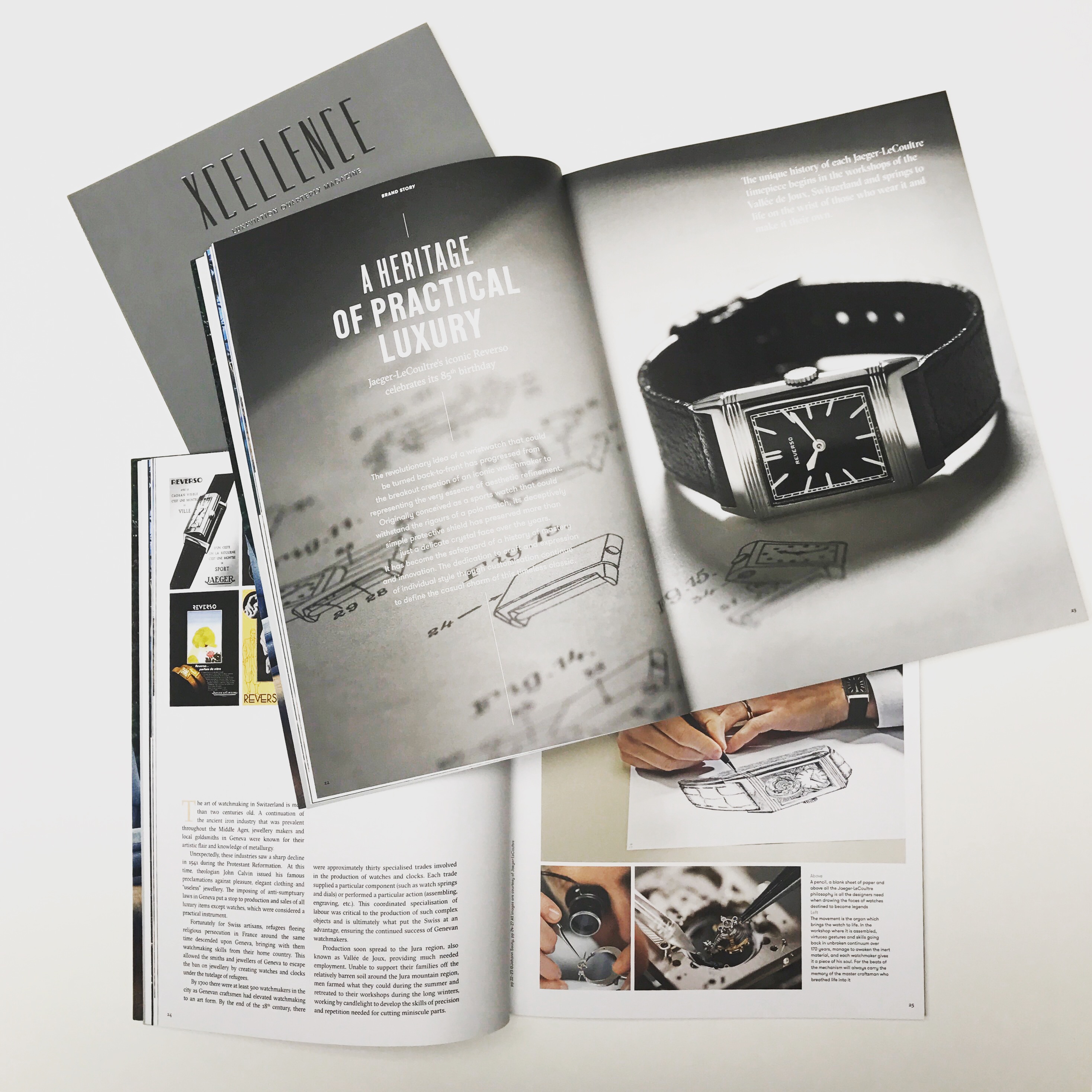
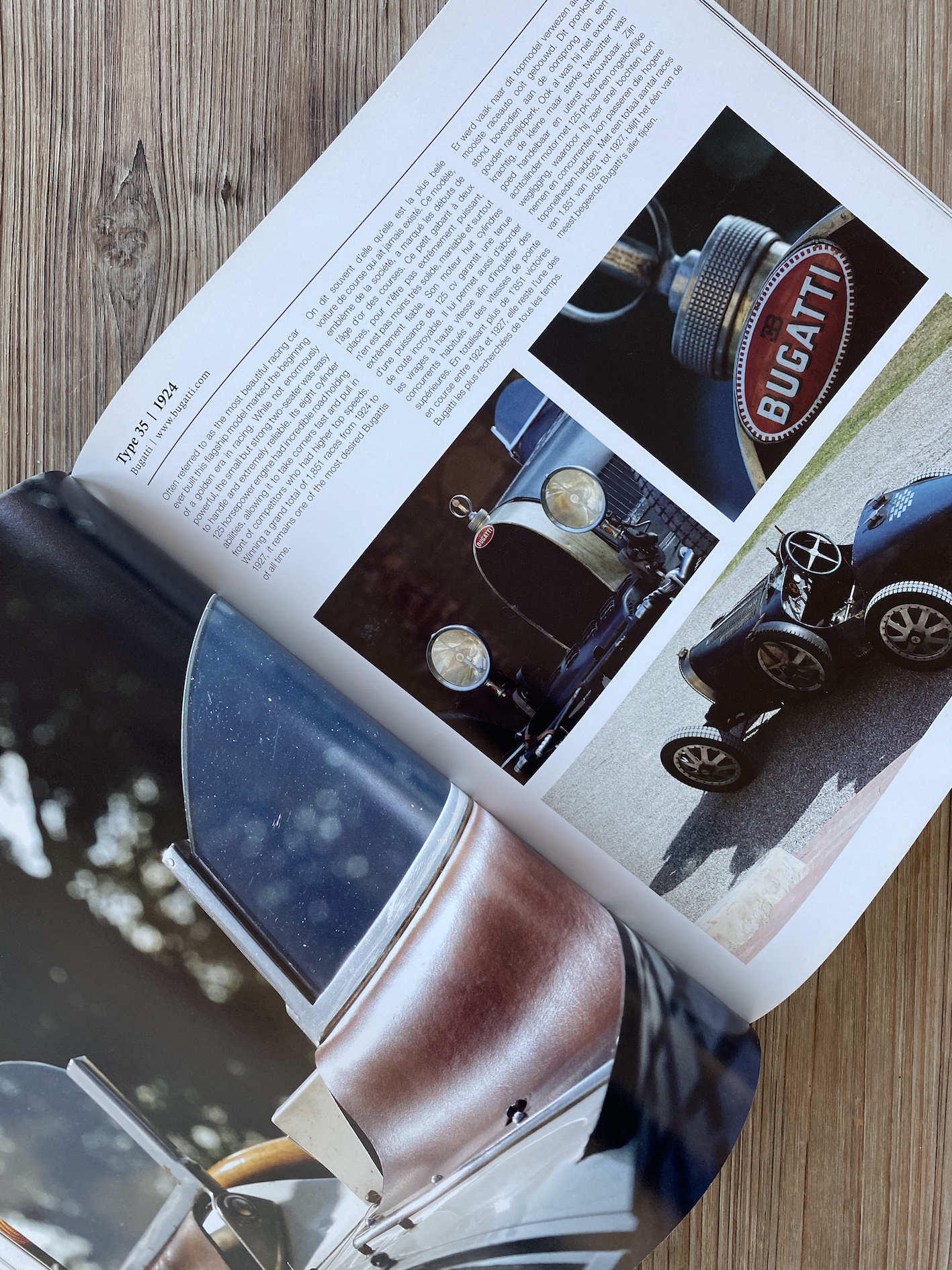
Intentional pairing means image and text get planned together from the start, not stitched together after a writer files copy. Photography, illustration, and layout decisions should support the same argument the words are making, not simply decorate the page after the fact [2]. That sequencing, deciding what a reader sees and reads in what order across a spread, is design work that requires editorial judgment, not just visual taste.
Here’s the honest caveat: not every company needs a magazine. If there’s no real story, no expertise, no perspective, no world worth inviting readers into, forcing editorial content onto a template produces a weak, hollow result no design budget can fix.
What Role Does Design and Production Quality Play in a Magazine People Keep?
Paper stock, binding, and finishing decide whether a reader keeps a magazine on the coffee table or drops it in the recycling bin within a week. The words matter, but the hands notice the paper first.
How do paper choice, binding method, and finishing details affect how a magazine feels and performs?
A reader forms a judgment about quality before reading a single headline, just by the weight of the pages and the way the cover catches light. Heavier stock feels substantial and signals that the publisher invested in the object, not just the content. A matte finish reads as considered and editorial, closer to a design annual than a catalog; gloss reads brighter and more commercial, better suited to fashion or lifestyle spreads that depend on color saturation. Neither is universally correct, the choice should match the story the brand is telling.
Binding is where format meets purpose. Saddle stitch, pages nested and stapled through the fold, works well for slimmer, casual issues meant to feel approachable and quick to read. Perfect binding, the flat, glued spine used on paperback books, gives thicker issues a bookstore feel and a shelf presence that saddle stitch can’t match. Wire-o binding, the spiral coil that lets pages lay fully flat, suits reference-style publications or portfolio pieces where someone needs to keep a page open while working from it. Picking the wrong one is a common misstep for teams sourcing custom magazine publishing services without production experience, a 200-page brand history bound like a pamphlet undercuts its own gravity.
Finishing details do quiet work. Spot varnish on a cover photo, subtle embossing on a logo, or a cover stock upgrade from the interior pages all signal craft without requiring a large production budget. These choices tell a reader that someone made a decision on purpose, rather than accepting the printer’s default settings.
Why does precision in production matter for a premium brand publication?
Production quality either reinforces or quietly undermines everything the editorial content worked to build. A beautifully written profile piece loses credibility fast if the pages feel flimsy or the ink shows through from the other side. Brand leaders who invest in strategy and writing but treat printing as an afterthought end up with a publication that reads as corporate rather than editorial, the exact outcome most are trying to avoid.
Rethink Publishing treats production as inseparable from editorial direction, managing paper selection, binding, and finishing as part of the same process that shapes the writing and layout, not a separate vendor handoff at the end. There’s no single correct spec. A magazine meant to travel in a welcome package needs different binding than one meant to sit in a private club’s library for years. Matching the physical format to the publication’s actual purpose matters more than defaulting to whatever the last print run used.
How Do You Know If a Custom Magazine Will Work as a Marketing Investment?
A magazine earns its budget if someone still has it on a shelf, a desk, or a coffee table three months after it arrived, not if it just looked good the day it was printed.
What makes a custom magazine a real marketing asset versus a vanity project?
The test isn’t how the first issue photographs on delivery day. It’s whether anyone picks it back up.
A vanity project gets admired once, stacked in a supply closet, and forgotten. A real asset gets reread on a flight, left open on a coffee table, or handed to a colleague with “you have to see this.” That difference has nothing to do with the print run or the paper stock alone, it comes down to whether there’s an actual editorial story underneath the design. A brochure with better photography is still a brochure. A magazine has a spine: a point of view, a narrative arc, something a reader chooses to spend time with rather than skim once and discard.
Custom magazine publishing services that skip the editorial strategy step and jump straight to layout tend to produce exactly this outcome, a beautiful object nobody rereads. Good production can’t retrofit a story that was never planned.
How do you measure whether a magazine is serving your brand and staying in circulation?
Look for qualitative signals, not click-through rates. A magazine is working if it turns up in a client’s waiting room months later, gets carried to a conference and left on a booth table, or gets referenced by name in a sales conversation (“did you see the piece we did on…?”). None of that shows up in a dashboard. It shows up in what people say and where the object physically travels.
Cost matters here, and it should be discussed honestly. A well-produced magazine sits at the premium end of marketing spend, it’s a considered, long-term investment, not a disposable campaign line item [5]. The return doesn’t arrive in a single reporting period; it accrues in brand perception over the months the piece stays in circulation. That’s also why staying power has to be designed in from the start, through editorial relevance and durable, well-bound production, rather than hoped for after the fact.
And if there’s no real budget for that level of production, or no genuine story to tell, the honest answer is to skip it. A thin magazine with no editorial spine wastes money faster than no magazine at all.
What’s Involved in Moving From Concept to a Finished, Printed Magazine?
Between an approved concept and a printed magazine on a coffee table sits a sequence of proofing rounds, print coordination, and logistics decisions that most brand leaders never have to think about, which is exactly the point of hiring it out.
How does a transparent, calm process from brief to delivery reduce risk and surprises?
A defined set of checkpoints, brief approval, editorial draft, design layout, proof rounds, print sign-off, means nobody discovers a problem two days before the printer runs the job. Each checkpoint gives the client a chance to catch a factual error, a misplaced image credit, or a color mismatch while it still costs nothing to fix.
Without that structure, problems surface late, when they’re expensive: a wrong caption on page 40 found in a courier box, not a proof. Rethink Publishing describes its own workflow internally as Swiss precision for this reason, not as a marketing flourish, but because a magazine involves dozens of moving parts (copy, images, layout, print specs, shipping) that all have to land in the right order.
The value of a calm process isn’t comfort for its own sake. It’s that surprises in print production are irreversible once the run starts, you can’t push an update the way you’d fix a web page.
What does end-to-end production management include beyond just printing?
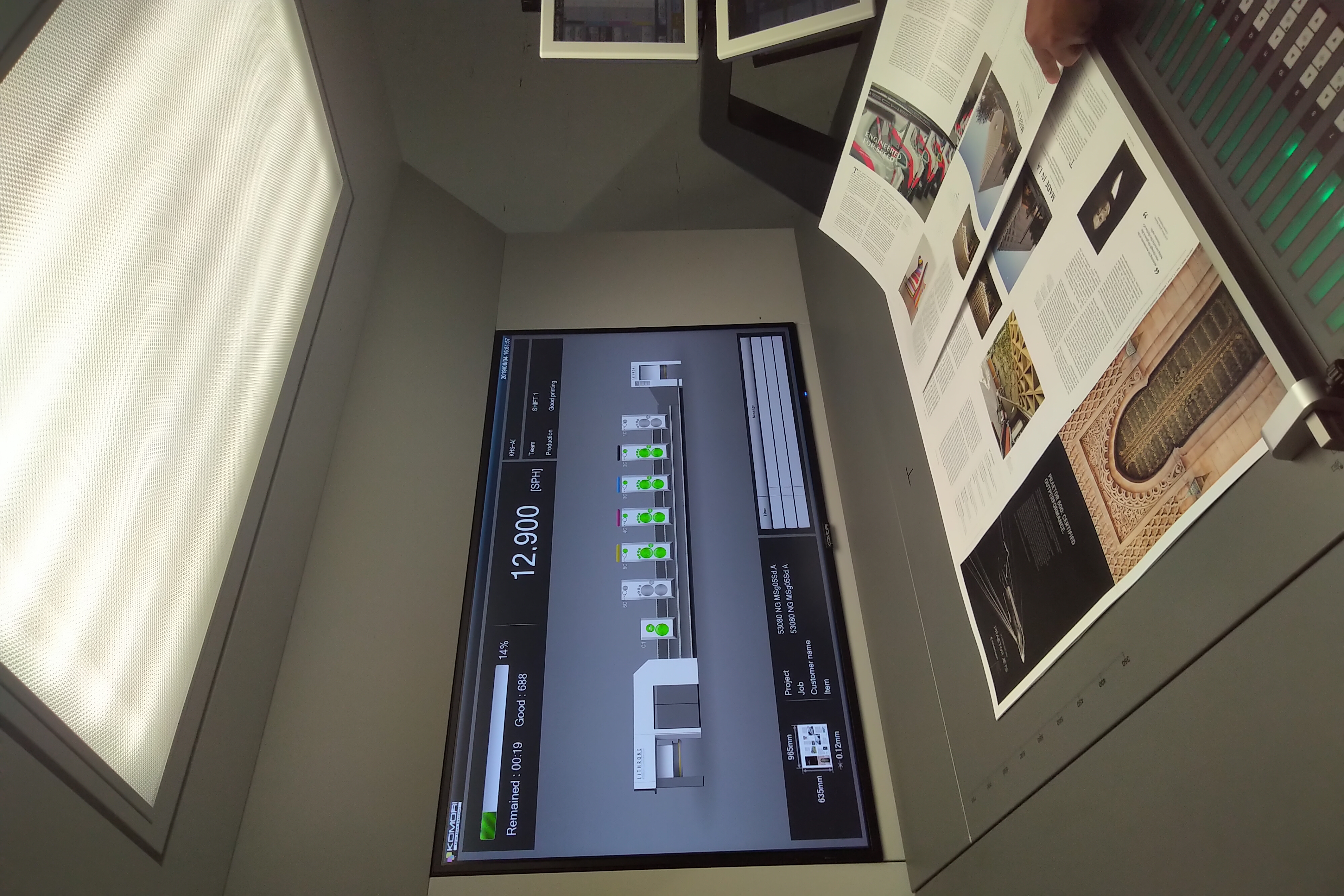
Printing is the visible last step, but the work that prevents a bad outcome happens before the presses run. That includes multiple proofing rounds for text accuracy and color calibration, coordination of the print run itself (paper stock, binding method, run size), quality checks against the approved proof, and oversight of packing and shipping once copies come off the line.
Distribution rarely ends at the print run. Many clients need mailing lists managed, fulfillment coordinated to office locations or client homes, and sometimes a digital companion version, a PDF or flipbook, that extends reach without replacing the print experience. The physical copy stays the centerpiece; digital is a supplement, not a substitute [1].
This is where fragmented vendor relationships tend to fail. A separate designer, printer, and fulfillment house each optimize for their own slice of the job, and details fall in the gaps between handoffs, a missed shipping deadline nobody owns, a spec mismatch caught too late. Custom magazine publishing services built around one accountable team close those gaps because the same people who wrote the brief are the ones checking the final proof and confirming the delivery manifest.
Frequently Asked Questions
Does every company need a custom magazine?
No. Not every company needs one, and a firm should say so before taking your money. A magazine makes sense when you have a real story, an audience that values physical objects over another email, and a brand worth putting on a coffee table. If your marketing is transactional rather than relationship-driven, that budget is probably better spent elsewhere.
How is a custom magazine different from a corporate brochure?
A brochure sells; a magazine has an editorial spine and earns attention on its own merit. A brochure gets skimmed once and discarded. A well-made magazine, built around real writing, image curation, and design direction rather than product features, gets kept, reread, and passed to peers.
Can a custom magazine work alongside digital marketing rather than replace it?
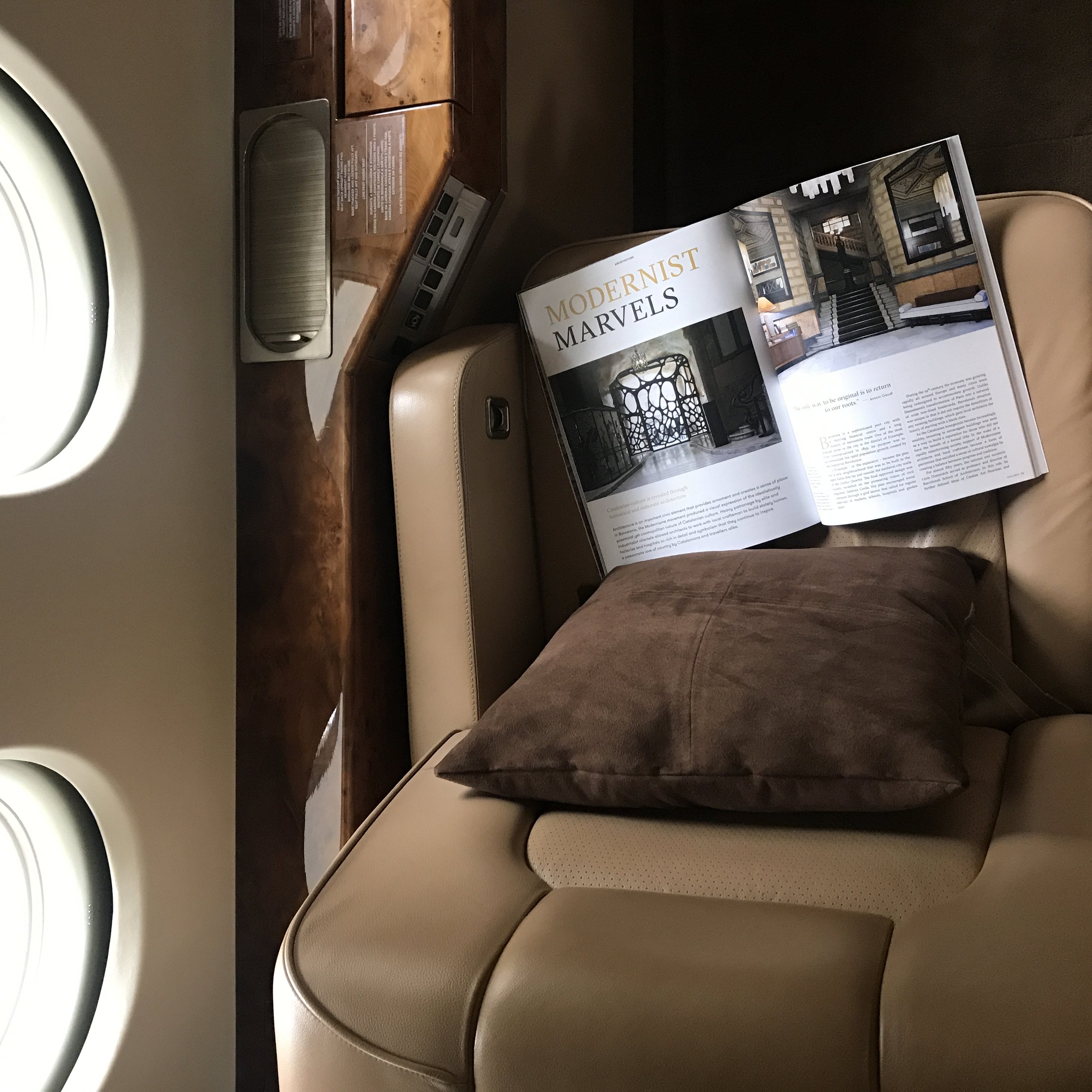
Yes, a magazine complements digital channels rather than competing with them. Custom publications often anchor other efforts like direct mail, email, and social campaigns [5], giving a brand a physical touchpoint that outlasts a 48-hour social post while digital handles reach and frequency.
How long does it take to produce a custom magazine from concept to delivery?
A fully managed magazine typically takes several months from editorial strategy through print delivery. Timelines depend on scope, image rights acquisition, and print production schedules, so a studio should map the calendar with you before work begins, not after.
What industries actually use custom magazines effectively?
Hospitality, real estate, law, architecture, private clubs, and even cybersecurity firms have all used custom magazines to build brand credibility. Range matters more than category, any company with a genuine relationship to protect and a story worth telling can make one work.
Conclusion
A custom magazine only pays off when the process behind it is disciplined: an editorial spine set before design starts, writing and imagery chosen with intent, and production managed end to end so nothing gets lost between strategy and the printer. Skip any of those steps and you get an expensive brochure, not a brand asset people keep. Rethink Publishing has built that process over 20+ years and 80+ magazines, run with the same precision on every issue. If you are weighing whether this is the right investment, start by defining the one story your brand needs told in print, then bring that story to www.rethink-publishing.com.
Sources & References
- How to Make a Magazine: The Definitive Guide – Marq
- Editorial & Magazine Design Services For Luxury Publications
- What is the magazine production process
- Is a Custom Magazine Right for You? – Print House
Recommended Articles
Explore more from our content library: