
You need corporate magazine design services when internal resources and generic marketing collateral can no longer carry the weight of how you want your brand perceived. The clearest signs: your brand story has outgrown brochures and newsletters, you need something clients keep rather than discard, your industry rewards trust and permanence, and you have the budget runway for a long-term asset rather than a one-off campaign. A custom print magazine works because it signals investment, curation, and staying power, qualities a PDF or email newsletter can’t replicate.
1. Your Brand Story Has Outgrown Brochures and Newsletters
A brochure built for one announcement cannot carry the weight of a company that now has multiple services, markets, and people worth talking about.
Brochures and newsletters are single-message formats. They work when you have one update, one offer, one launch. The ceiling appears when a company has outgrown that, when there are three service lines, five markets, a dozen senior people, and no single document that can hold all of it without turning into a list of bullet points nobody reads.
How Is a Custom Magazine Different From a Newsletter or Annual Report?
A magazine needs an editorial spine, a throughline of stories that reflects what the company actually stands for, not a roundup of product updates. That spine lets a single issue hold a client profile, a point of view on where the industry is heading, a behind-the-scenes feature, and a founder interview, all under one coherent idea instead of four disconnected memos.
This fits companies with a layered story: multiple services, multiple voices, multiple markets, not a single product pitch dressed up in better paper. Most providers of corporate magazine design services frame this as a design upgrade. It isn’t. The real shift is editorial, the content needs a point of view before it needs a layout. This is also where a brand magazine can quietly become a missing link in broader content marketing, tying together stories that live separately across a website, a newsletter, and a sales deck [2].
2. You Want Clients to Keep Something, Not Just Read It
A printed magazine competes for a spot on a coffee table or shelf, while digital content only competes for a few seconds of inbox attention.
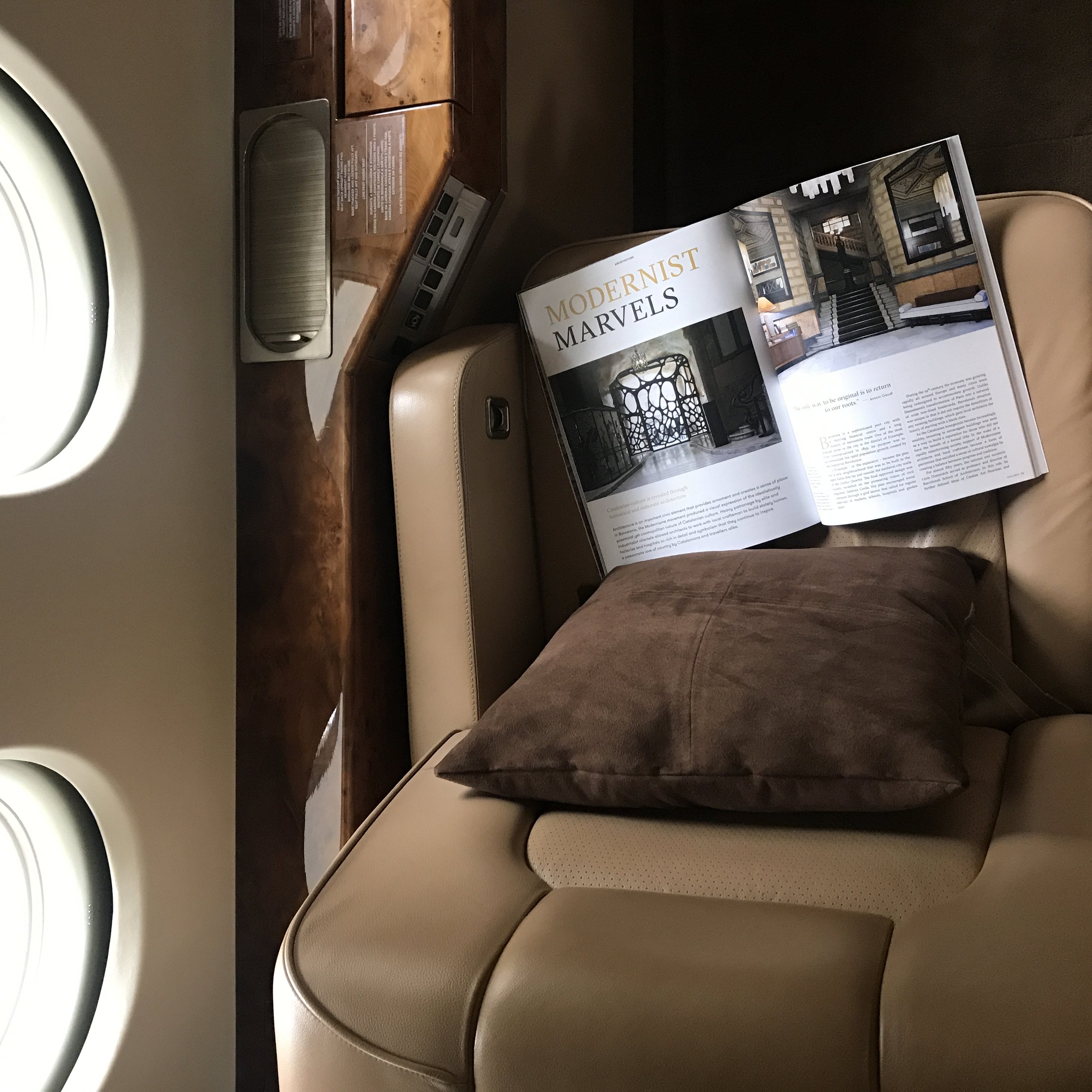
That’s the mechanism. An email gets scanned and archived or deleted within seconds. A well-made printed object sits in a reception area, a living room, a waiting room, and gets picked up again weeks later. The difference isn’t platform preference. It’s what each format is physically capable of becoming in someone’s space.
What Makes a Magazine Worth Keeping on a Coffee Table?
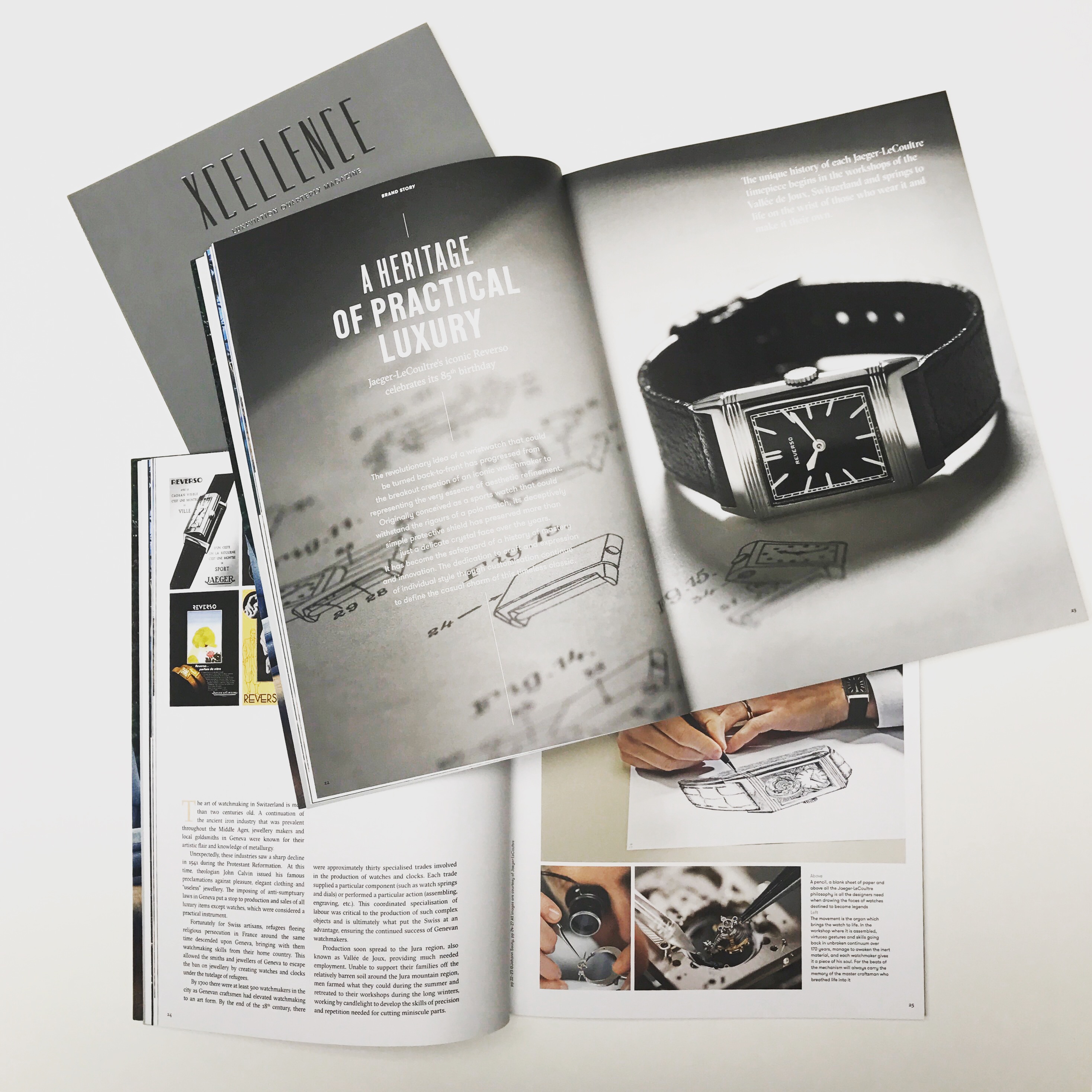
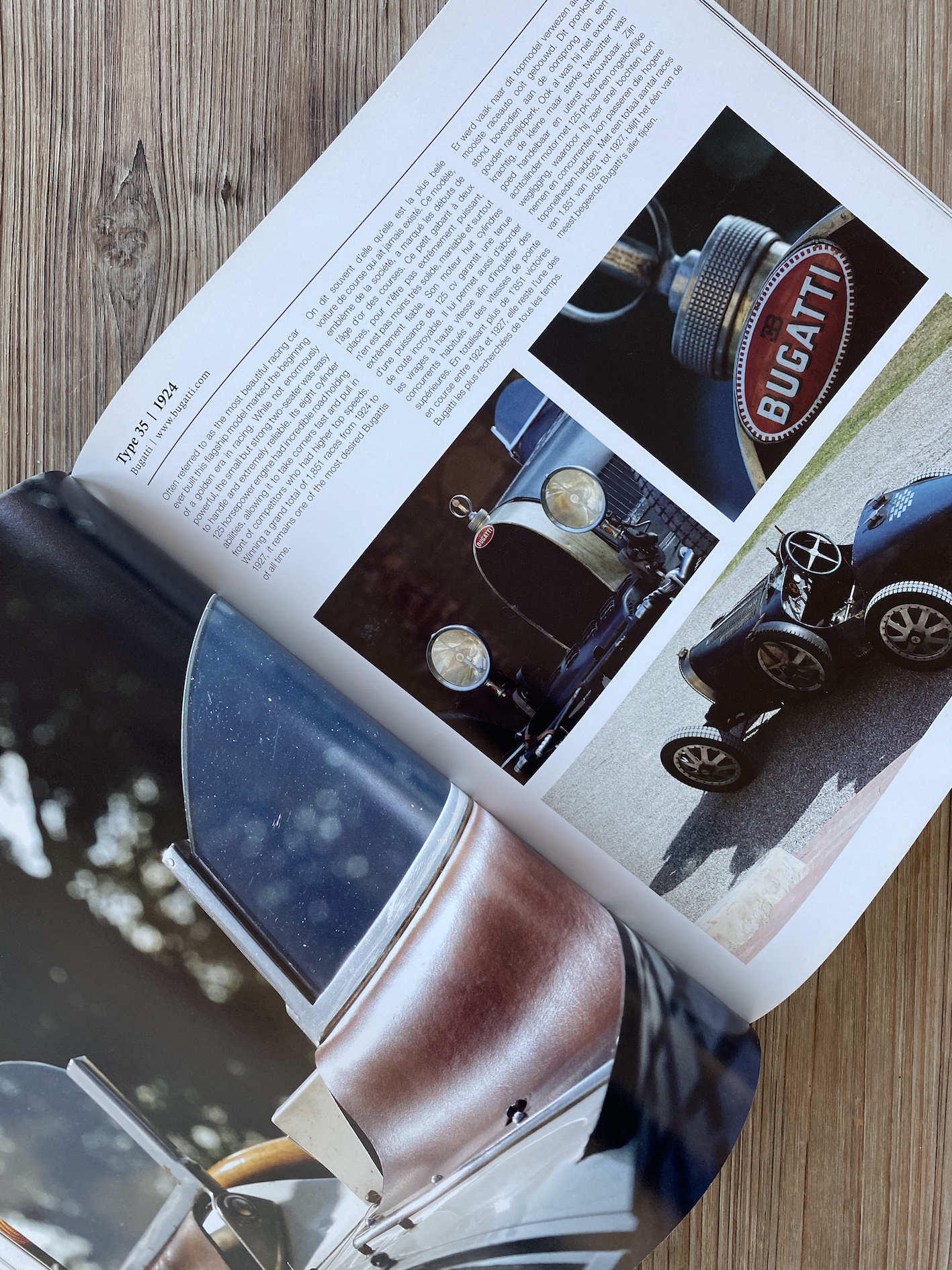
Keeping something isn’t about a glossy cover. It’s paper stock that feels substantial when you hold it, print quality that doesn’t look like an office printer job, and editorial pacing that rewards a second read instead of exhausting its content in one pass. Those details are what separate a keepsake from a flyer with a spine.
This matters most for companies whose relationships depend on being remembered over months or years, not a single transaction, real estate developers, law firms, private clubs, hospitality groups. Most pages ranking on this topic discuss cover finishes and layout grids. Almost none address the actual psychological mechanism: physical objects get kept because they occupy space and demand a decision to discard them; digital content never has to be decided on at all, it just disappears.
3. Your Industry Depends on Trust, Not Just Awareness
In slow, relationship-based sectors, perceived permanence and craft directly shape whether a prospect trusts you enough to commit.
This applies most directly to hospitality, real estate, architecture and design, finance, and professional services, anywhere the buying decision takes months, not minutes, and hinges on judgment rather than price. A tactile, well-made object signals the same attention to detail that a client expects from the service itself. If the magazine feels rushed, the client reasonably wonders what else might be rushed.
What Do Hospitality, Real Estate, and Design Brands Gain From Print?
They gain a physical signal of permanence in sectors where the product itself is often intangible or deferred, a property not yet built, a legal outcome not yet known, a stay not yet booked. Print fills that gap with something concrete to hold onto while the decision matures. Luxury-facing brands in particular lean on print to reinforce exclusivity and craft, since tactile materials can carry cues that a screen simply cannot replicate [3].
The inclusion of sectors like cybersecurity or finance surprises people, but the logic holds: print stands out precisely because it’s rare among digital-only competitors in those fields [2]. This fits companies selling judgment, expertise, or long-term partnership rather than a quick commodity purchase. Most search results on this topic list design packages by industry category. None connect industry type to the psychological trust signal a printed artifact actually sends. This is precisely the gap that thoughtful corporate magazine design services are meant to close.

4. You’re Ready to Treat Print as a Long-Term Investment
A magazine behaves like a brand asset that compounds across issues, not a campaign with a start date and an end date.
Each issue builds on the credibility of the last. A single issue is a nice object; a third or fourth issue, delivered consistently, becomes something clients expect and anticipate, that compounding effect doesn’t exist in one-off campaigns. Budget tiers for this kind of work range from budget-friendly to premium, depending on page count, print run, and production complexity, but in every tier the return isn’t instant.
Why Is a Custom Magazine a Long-Term Brand Investment, Not a One-Time Expense?
ROI here comes from referrals and retained relationships built over repeated touchpoints, not a click-through rate measured the week after mailing. A client who keeps three consecutive issues on their desk is a client who associates your name with consistency, that’s worth more than a conversion event, but it takes longer to show up on a spreadsheet.
This fits companies with the patience and budget runway to commit beyond a single issue. Most pages covering this topic either avoid ROI discussion entirely or promise vague credibility gains. The more honest answer is that expecting quick ROI from print is the wrong lens, judge it the way you’d judge a flagship office or a long-standing sponsorship, not a paid ad. Choosing among corporate magazine design services at this stage means asking who plans for issue two before issue one ships.
5. You Need Someone to Own Strategy, Editorial, Design, and Print Together
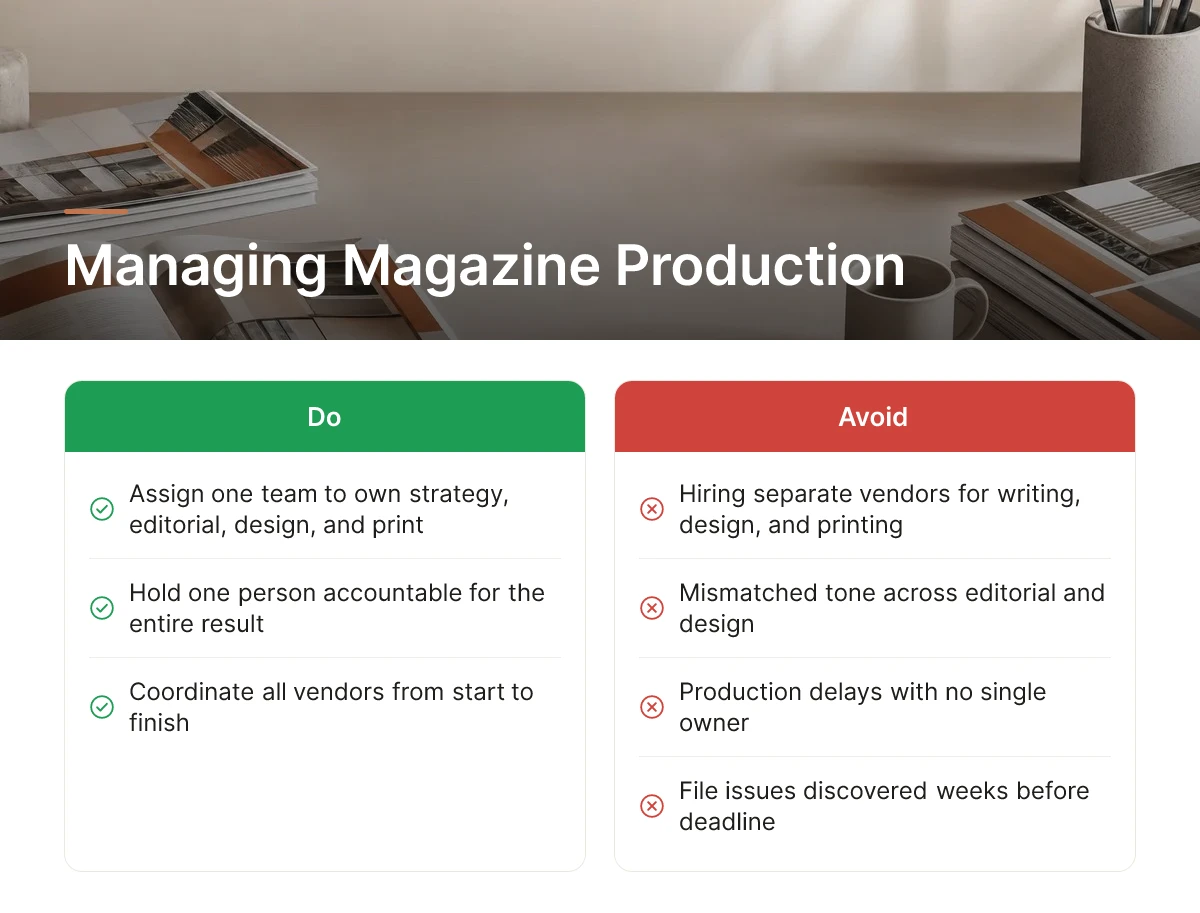
Separate vendors for writing, design, and printing create mismatched tone and production delays with no single person accountable for the result.
Fragmentation shows up in predictable ways: a freelance writer delivers copy in one voice, a designer lays it out in a visual style that doesn’t match, and a printer flags a file issue two weeks before the deadline that nobody upstream anticipated. Each vendor did their job correctly in isolation. The finished product still feels disjointed because no one owned the whole thing.
Who Handles Strategy, Editorial, Design, and Print Production?
End-to-end means one team handles strategy and story selection, editorial writing, design and layout, print production, and delivery, under one roof, with one point of contact accountable for the final object. Rethink Publishing runs this model across every engagement: the studio defines the editorial spine first, then pairs copy and imagery with design direction, and manages image rights, printing, and quality control through delivery, so the client’s marketing team never has to coordinate separate contracts for separate stages.
What Should You Expect During the Planning and Approval Phases?
Expect a defined sequence, editorial direction agreed before layout begins, content reviewed before print files are locked, and a single team answering questions at every stage rather than three vendors pointing at each other. This is the clearest differentiator among firms offering corporate magazine design services: most list writing, design, and printing as separate line items. Few discuss the coordination cost of managing them as three separate relationships, which is exactly where most self-assembled projects break down.
6. You Care More About Craft Than Speed
If you’d rather wait for a magazine done right than rush one that looks like every other branded PDF, that patience is the clearest readiness signal on this list.
Why Does Quality Take Time?
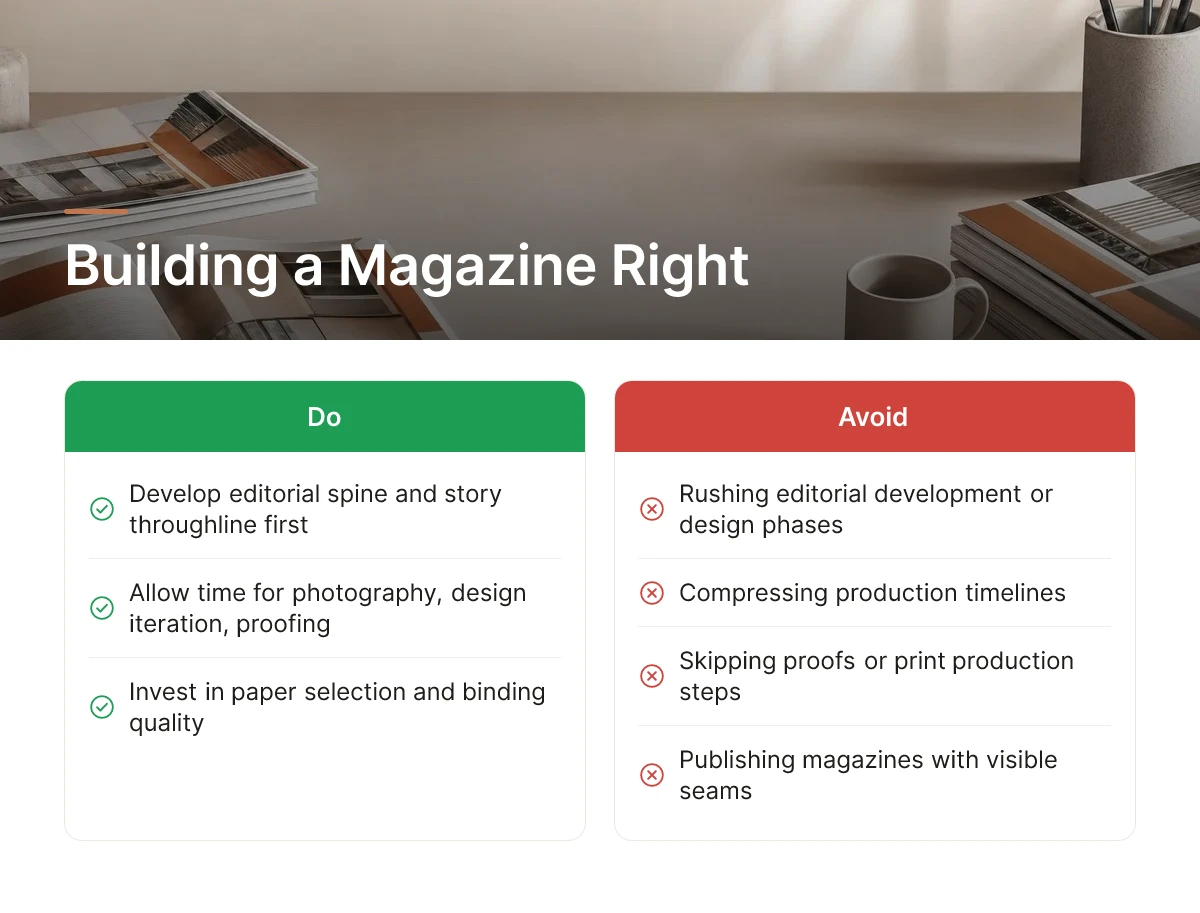
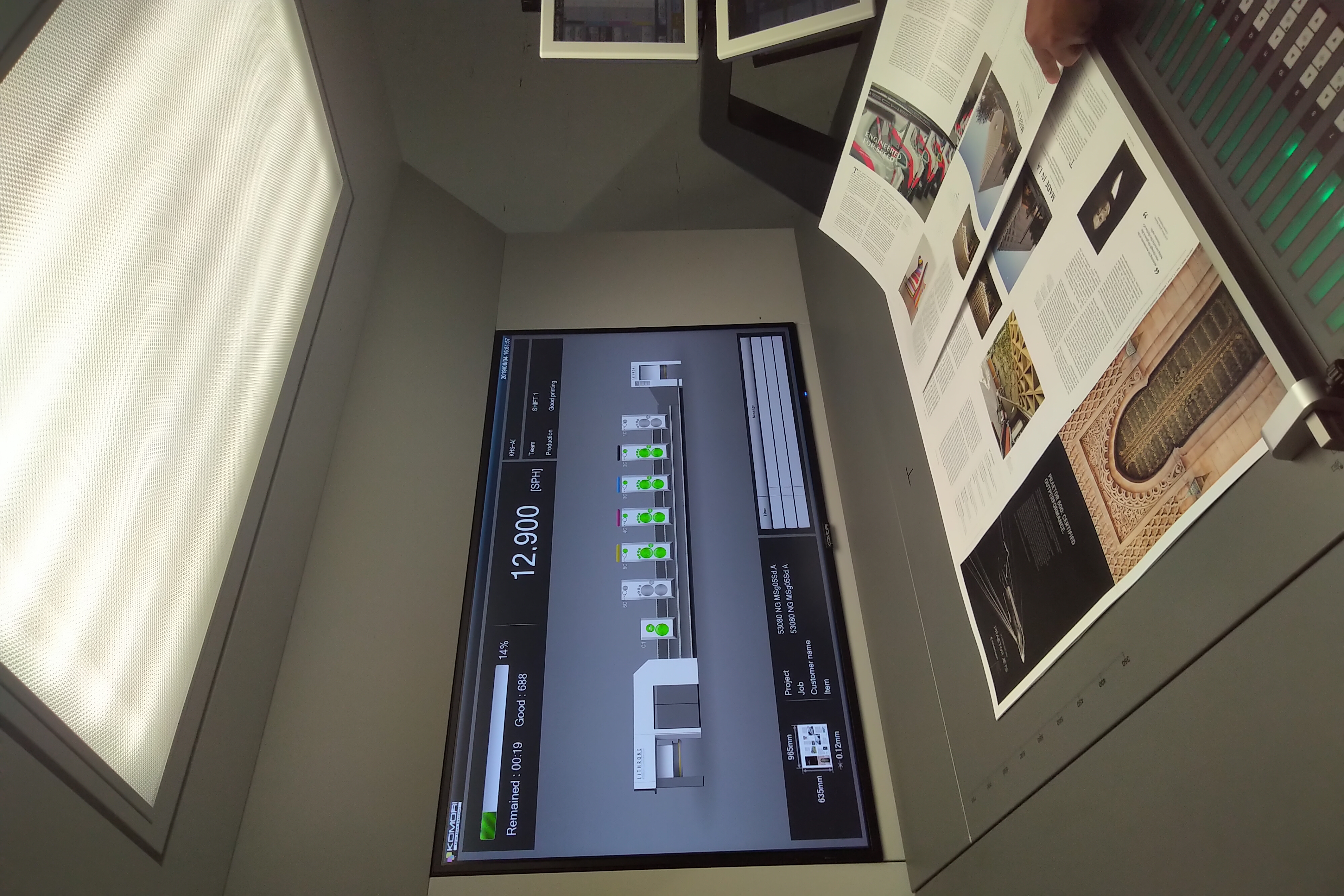
A magazine isn’t one task, it’s four or five distinct phases stacked on top of each other. Editorial development comes first: deciding what the publication is actually about, who it speaks to, and what story holds every page together. Then photography or image sourcing, design iteration across spreads, and finally print production, paper selection, proofing, binding. Compress any one of these and the seams show. A rushed editorial spine produces a magazine that reads like a brochure with better fonts; rushed print production produces color shifts and binding that fails after a few reads.
What Factors Affect the Timeline for a Custom Publication?
- Scope of content, a 24-page issue moves faster than an 80-page flagship piece.
- Number of contributors, more interviews and sign-offs mean more scheduling friction.
- Print complexity, specialty stocks, foil work, or custom binding add production weeks.
- Approval rounds, each stakeholder review cycle extends the calendar, intentionally.
This fits companies planning around a launch, an anniversary, or an annual cadence, not ones needing something overnight. Plenty of providers sell speed as the pitch. We’d rather you keep the finished piece for a decade than forget you rushed it.
How to Choose the Right Corporate Magazine Design Services
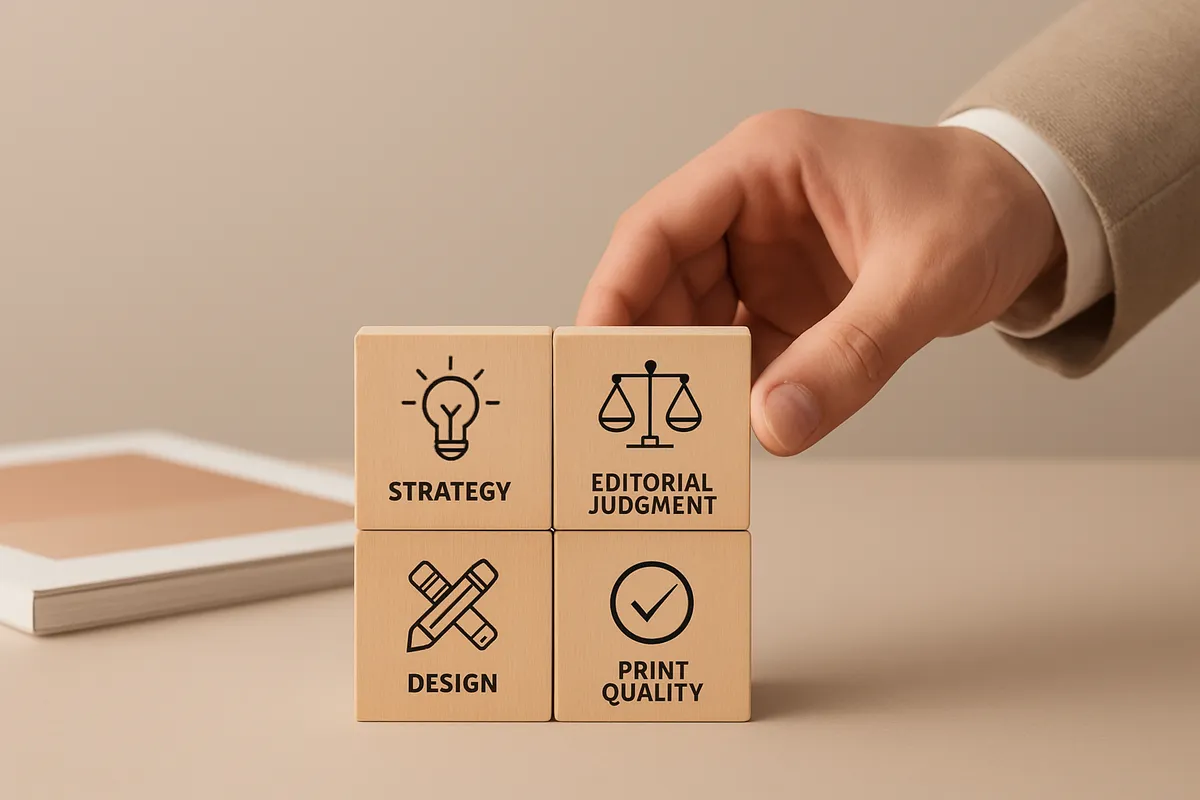
Judge corporate magazine design services on editorial judgment, process ownership, and print craft, not on which portfolio has the prettiest spreads.
Start with evidence of editorial thinking, not just visual polish. Anyone can show you a beautiful layout; few can explain why a particular story ran first, or how a theme carried across 60 pages. Ask what industries the studio has worked in, range across sectors like hospitality, law, real estate, or even cybersecurity signals they can build an editorial spine for any brand, not just repeat one template. Also confirm they own the full process: strategy, writing, design, image rights, print, and delivery under one accountable team, rather than handing you off between a copywriter, a freelance designer, and a print broker. The same evaluation lens applies if you’re comparing broader graphic design services for a smaller marketing team, process ownership and editorial judgment matter just as much as portfolio polish [5].
How Do You Evaluate Whether a Magazine Is Worth the Investment?
Listen for pushback in the first sales conversation. A provider worth hiring will ask what the magazine is actually for before discussing design, and will challenge a vague brief rather than accept it. If they skip straight to templates and timelines, that’s a signal.
Ask for printed samples, not PDFs. Paper weight, binding strength, and finishing quality tell you more than any screen ever will [1]. And treat cost as a qualitative tier to match your ambition, premium craft costs more than a template, and that’s the point, rather than chasing the lowest bid.
If you’re not ready to commit to an ongoing asset, hold off. A magazine only pays off when it’s part of a cadence, not a one-off experiment.
Frequently Asked Questions
What business outcomes should you expect from a premium print magazine?
Expect stronger client retention, warmer referral conversations, and a physical asset your sales team can hand over in meetings. A magazine works slower than a social post but lasts longer, it sits on a coffee table or reception desk for months, not 48 hours. Clients who commission one are usually trying to deepen existing relationships, not generate cold leads. Think of it as a retention and perception tool first, acquisition tool second.
How does a physical magazine create lasting client connection compared to digital content?
A printed magazine stays in a client’s home or office for months, while digital content disappears from a feed in hours. That physical presence creates repeat exposure without repeat effort, nobody re-opens an email newsletter, but a well-made magazine gets picked up again. Luxury brands in particular are reinvesting in print precisely because digital saturation has eroded attention, making tangible media a genuine differentiator for brand loyalty.
What role does editorial curation play in creating a magazine people treasure?
Editorial curation is what separates a magazine from a brochure, it gives the publication a point of view instead of a sales pitch. At Rethink Publishing, every issue starts with an editorial spine: a defined content strategy that shapes which stories, images, and voices make the cut before layout even begins. Without that discipline, readers sense they’re holding marketing collateral, and they stop reading.
Can any industry create a meaningful custom magazine?
Not every company needs one, but the format works well beyond obvious choices like hospitality and real estate. Rethink Publishing has produced magazines and coffee-table books for law firms, architecture practices, private clubs, and even cybersecurity companies, yes, cybersecurity. The common thread isn’t industry; it’s a leadership team that wants clients to feel something, not just read a spec sheet.
How do you measure whether a magazine is truly serving as a marketing asset?
Track whether clients mention it unprompted, keep it visible in their office, or pass it to a peer, those are the real signals, not open rates. Sales teams can also log how often the magazine comes up in meetings or renewal conversations. A magazine earning its keep gets referenced months after delivery, not filed away after one read.
Conclusion
A corporate magazine earns its place on a coffee table through editorial discipline, not budget alone, the spine, the curation, and the production precision matter more than the page count. Judge any option against three things: does it start with strategy before design, does it handle every production step so your team stays out of the weeds, and does the finished piece look like something a client would choose to keep. If you’re weighing whether this fits your brand, review the portfolio at www.rethink-publishing.com and ask Nathalie Grolimund’s team what editorial spine they’d build for your next issue.
Sources & References
- Marketing Magazines: Why They’re a Secret Weapon – Smartpress Blog
- How a brand magazine can be the missing link in your content marketing
- How Can Print Support Luxury Marketing Strategy?
- 10 Signs You Need Graphic Design Services for Small Business
Recommended Articles
Explore more from our content library: