
Understanding print permanence marketing is essential. Luxury brands invest in print because a well-made magazine stays in a client’s home for months or years, while a digital ad disappears in seconds. That physical presence keeps working long after the moment of contact, sitting on a coffee table, getting picked up again, seen by guests. Print permanence and marketing goals connect at exactly this point: a durable, well-designed object carries brand perception forward in a way a scrolling feed cannot, because it occupies real space in someone’s daily life instead of competing for a fraction of their attention span.

Why Do Luxury Brands Choose Print Permanence Marketing Over Disposable Digital Ads?
A digital ad competes for a fraction of a second; a printed magazine sits in a client’s home, occupying real space, for months. That’s the core trade luxury brands are making when they invest in print permanence marketing, attention that decays versus presence that doesn’t.
A scroll-past impression on social media has a lifespan measured in seconds. Someone swipes, the ad is gone, and the brand behind it has spent money to occupy a moment nobody remembers by dinner. A well-made magazine doesn’t work that way. It sits on a coffee table. It gets picked up again three weeks later by a different person entirely, a guest, a spouse, a colleague waiting in a lobby. For a broader look at why print still earns a place in a modern marketing mix, see this overview of print marketing for successful campaigns.
Is Print a Declining Industry, or Is It Being rethinkd for Premium Brands?
Print isn’t shrinking in this segment, it’s consolidating into fewer, better publications built for retention instead of reach. The mass-market flyer business has contracted, but that’s a different market entirely from what luxury brands now commission.
The shift isn’t volume, it’s intent. A hospitality group doesn’t need 50,000 printed brochures handed out at a trade show. It needs one publication substantial enough that a client keeps it. That’s a smaller print run pointed at a much higher bar of craft.
What’s the Difference Between Print Marketing That Disappears and Print That Builds Lasting Brand Perception?
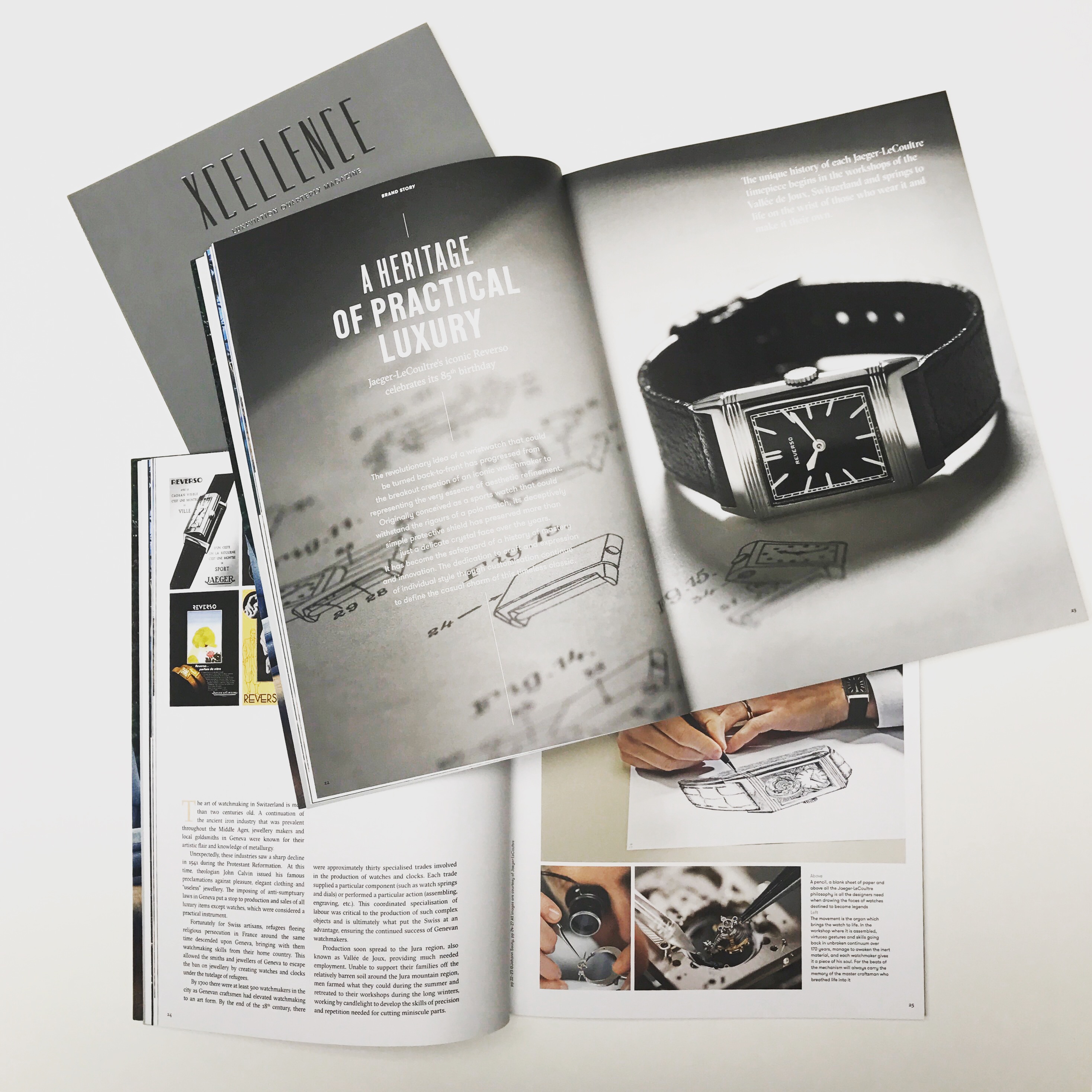
Print that disappears is treated as disposable from the start, a cheap brochure, a direct-mail piece skimmed once and binned. Print that lasts is built with the same editorial discipline as a real magazine: a clear point of view, strong writing, considered image pairing, and production quality that signals the brand cared enough to get it right. Paper stock alone doesn’t earn a place on a coffee table. Editorial substance does.
Repeated, passive exposure changes how a brand is perceived. Someone who picks up the same publication twice, a month apart, absorbs it differently than someone who saw a single paid impression once. That’s a compounding effect no feed produces.
Rethink Publishing has built this discipline across 20+ years and 80+ high-end magazines, working with clients ranging from hospitality and design firms to cybersecurity companies, brands that don’t fit the obvious “print” mold but need the same lasting presence that print permanence marketing is built to deliver.
A few traits tend to separate print built for print permanence marketing from print built to be thrown away:
- A clear editorial point of view, not just a product announcement dressed up as content
- Production values, paper stock, binding, finishing, that reward being picked up and handled
- Curated content, with weaker material left out rather than everything included
- Photography and copy chosen together for a specific idea, not stock imagery paired with filler text
- A format suited to display, a coffee table, a shelf, a reception desk, rather than a filing cabinet
How Does a Magazine That Stays in Someone’s Home Differ From Disposable Marketing Materials?
A brochure gets read once and thrown out; a magazine that earns a spot on the coffee table gets seen again and again, by more people than the person you sent it to.
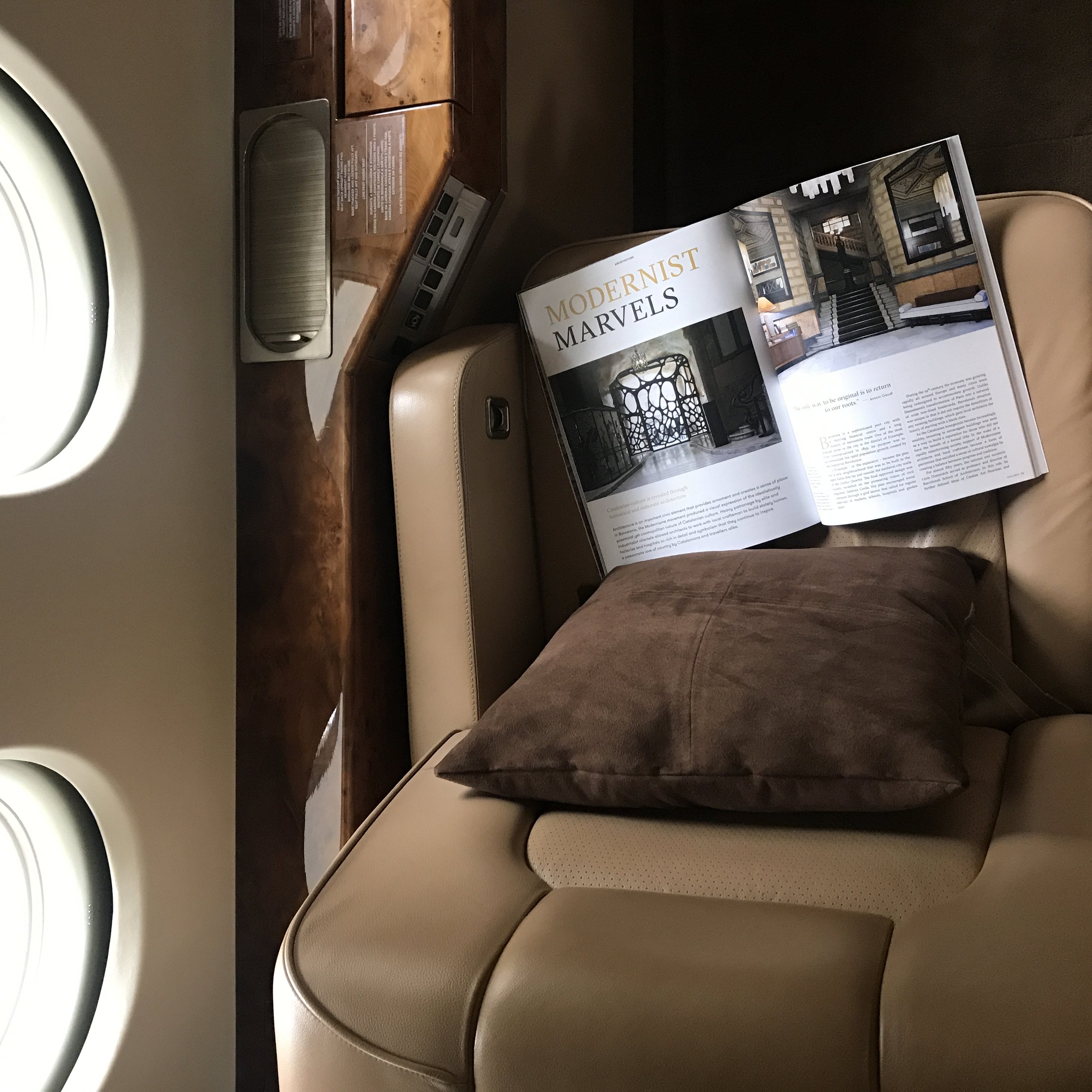
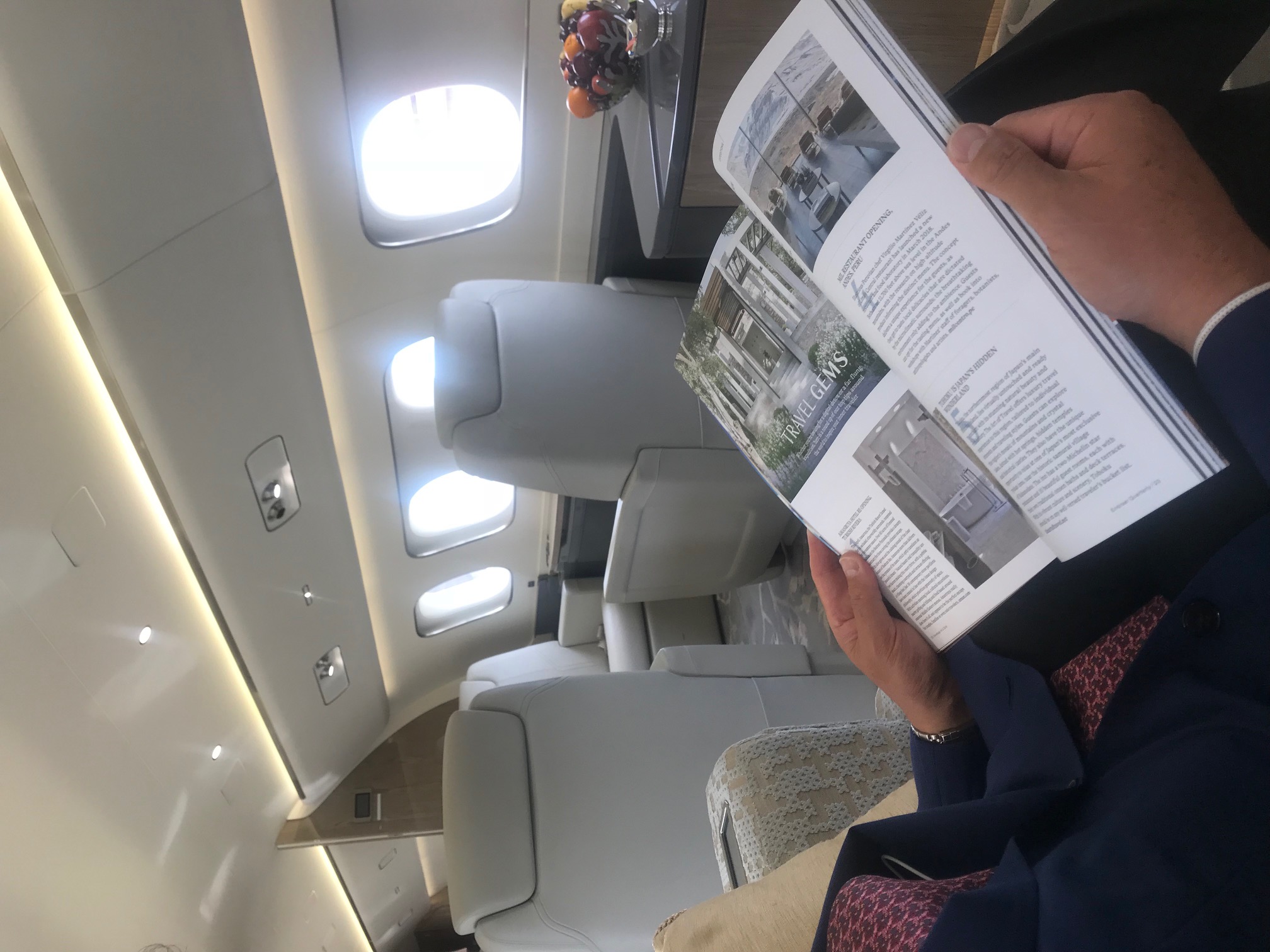
That repeat exposure is the entire mechanism behind print permanence marketing. A flyer, a brochure, an email newsletter, all three are built for a single moment of attention. Someone opens the email, skims it, deletes it. Someone takes the brochure, glances at the cover, recycles it on the way out. There’s no second look built into the format, and no cost to the reader for ignoring it. A well-made magazine works differently. It sits on a table. It gets picked up during a slow afternoon, left out for a dinner guest, passed to a partner or colleague. One printed piece can generate dozens of unplanned impressions over months, without another dollar of media spend.
What Are Examples of Print Publications That Actually Function as Keepsakes and Brand Assets?
Client gift magazines, anniversary or heritage coffee-table books, and annual brand publications are the formats that get kept rather than discarded. Common examples include:
- A hospitality group’s anniversary book, produced to mark a milestone and displayed in lobbies or given as a client gift
- A law firm’s annual review styled as a real magazine rather than a compliance report
- A real estate developer’s flagship property book, handed to prospective buyers instead of a standard sales sheet
- A design or architecture studio’s retrospective, functioning as both portfolio and keepsake
These are objects people display, not paperwork they file. Rethink Publishing has produced more than 30 coffee-table books across hospitality and design clients specifically because that format holds up on a shelf for years, not weeks.
How Does Physical Permanence in a Home Change the Way a Brand Is Perceived Over Time?
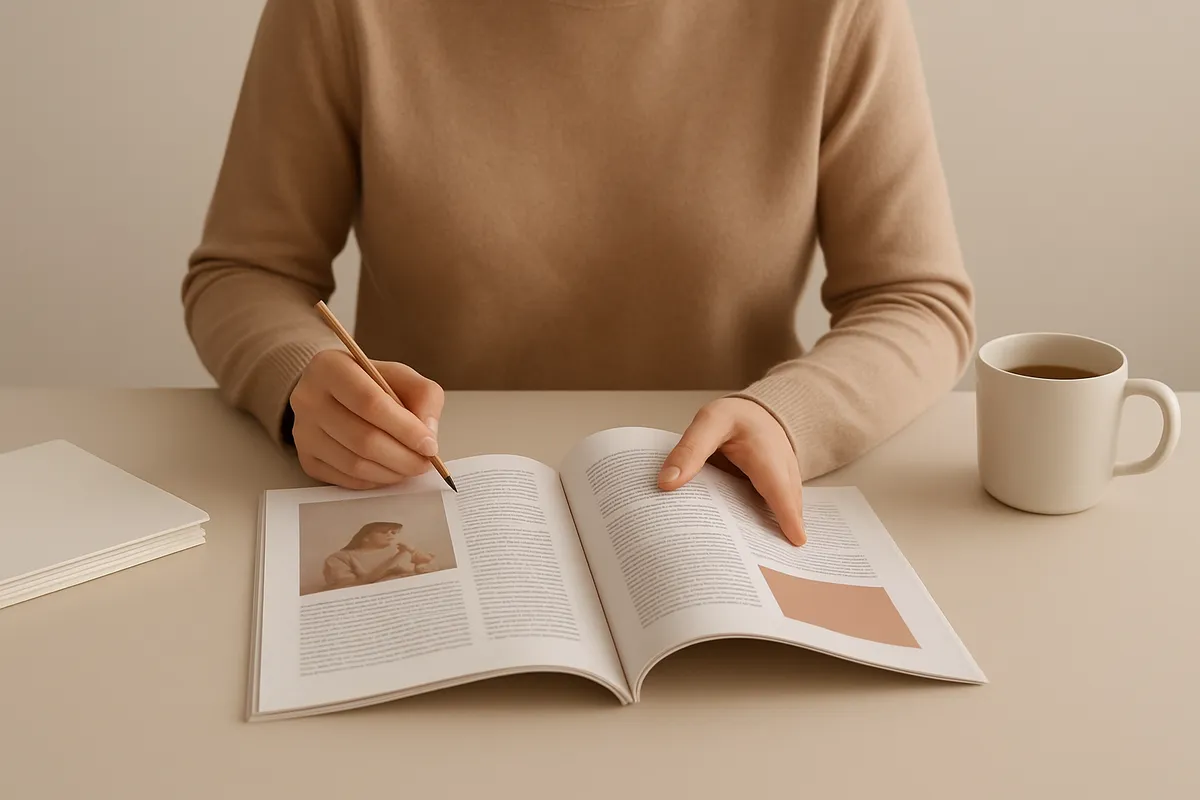
Keeping an object signals it was worth keeping, and by extension, that the brand behind it was worth the shelf space. That’s the perception shift digital can’t replicate: a social post disappears in a scroll, but a book on a table makes a quiet, repeated claim about taste and permanence every time someone walks past it.
None of this works automatically. A thin, poorly designed publication gets discarded exactly as fast as a flyer, permanence has to be earned with editorial quality, not assumed from paper stock.
What Makes a Printed Publication Feel Like a Keepsake Rather Than Promotional Material?
A keepsake has a point of view, real restraint in what it leaves out, and production quality you can feel in your hands, a brochure has none of those. This is the mechanical difference behind print permanence marketing: the decisions that turn a printed object into something a reader chooses to keep, rather than something they scan once and recycle.
How Do Editorial Curation, Design, and Production Quality Work Together to Create a Magazine People Want to Keep?
It starts with what Rethink Publishing calls the editorial spine, a clear point of view and structure decided before a single page is designed. A magazine organized around a real theme (a region, a craft, a way of doing business) reads as a publication with something to say. A magazine organized around whatever the marketing team wanted to announce that quarter reads as a brochure wearing a magazine’s clothing.
Curation matters as much on the cutting-room floor as it does on the page. Leaving out the fourth property, the third award, the extra testimonial signals confidence, the brand doesn’t need to say everything to be believed. Restraint reads as authority. A publication that includes everything reads as a company that isn’t sure what its story is.
What Role Does Intentional Pairing of Words and Images Play in Making Print Feel Valuable?
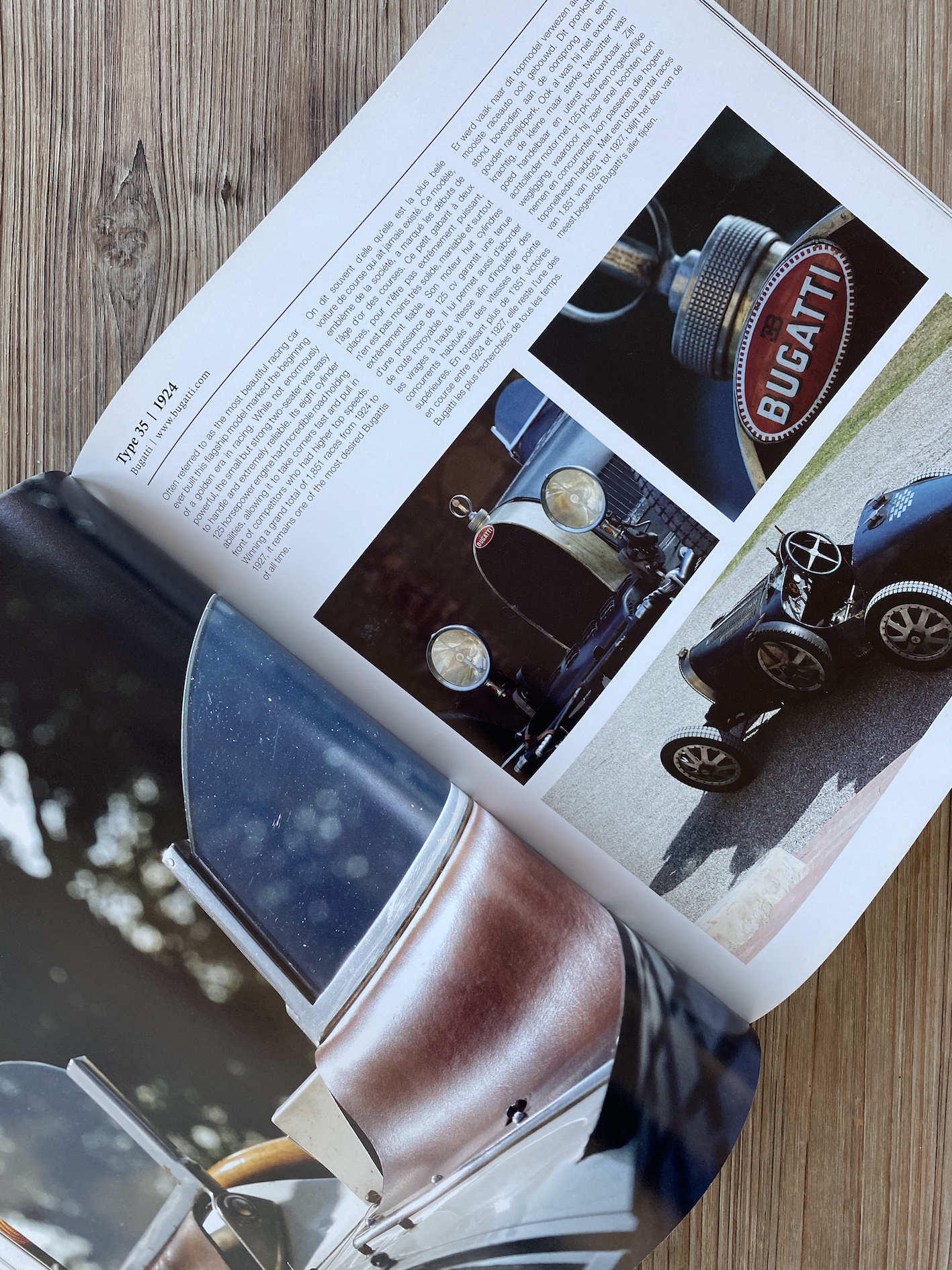
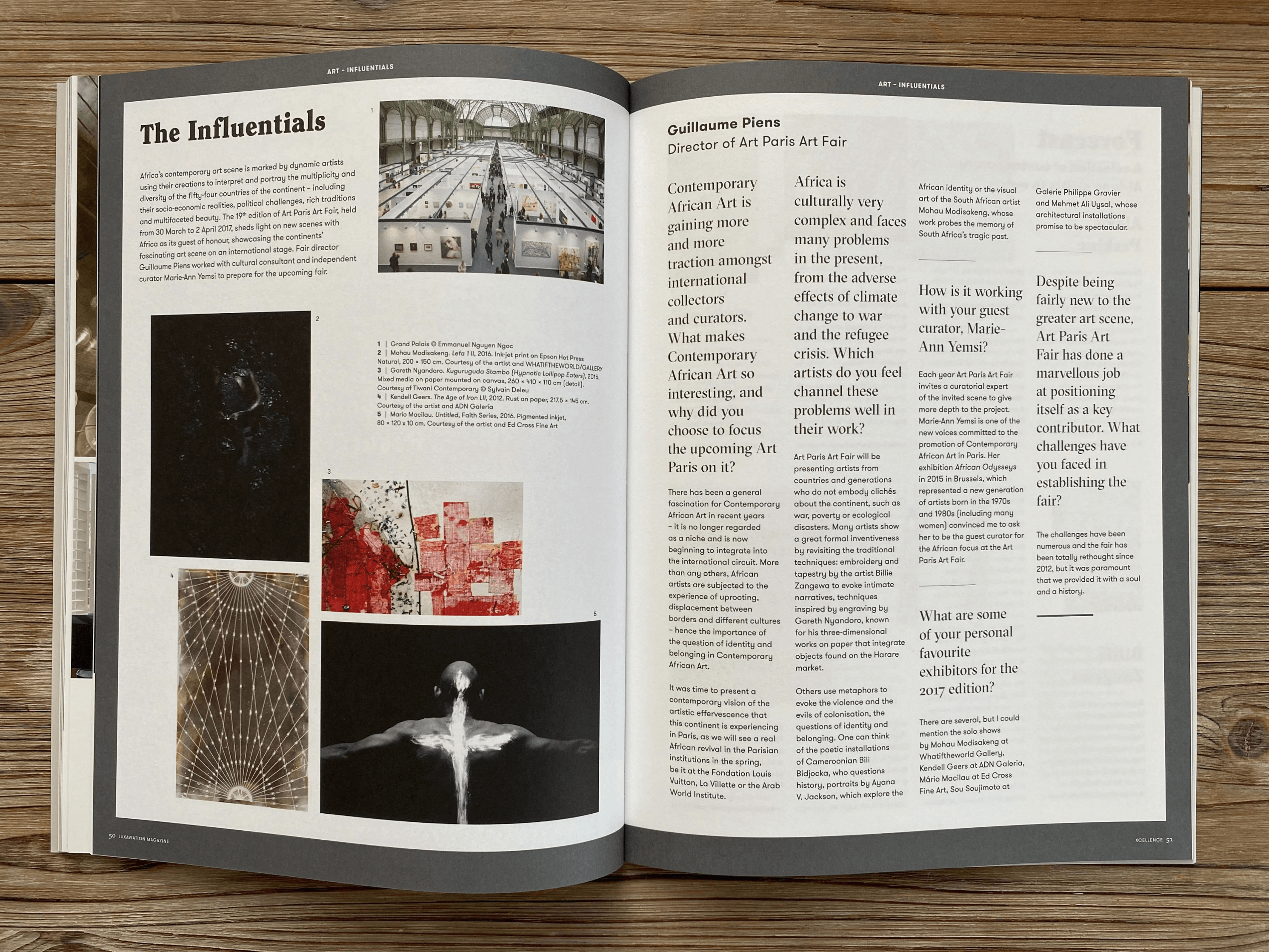
Stock photography dropped next to filler copy is the fastest way to signal disposability. Photography and text chosen together, with a specific image commissioned or sourced for a specific idea, produce pages that feel made rather than assembled.
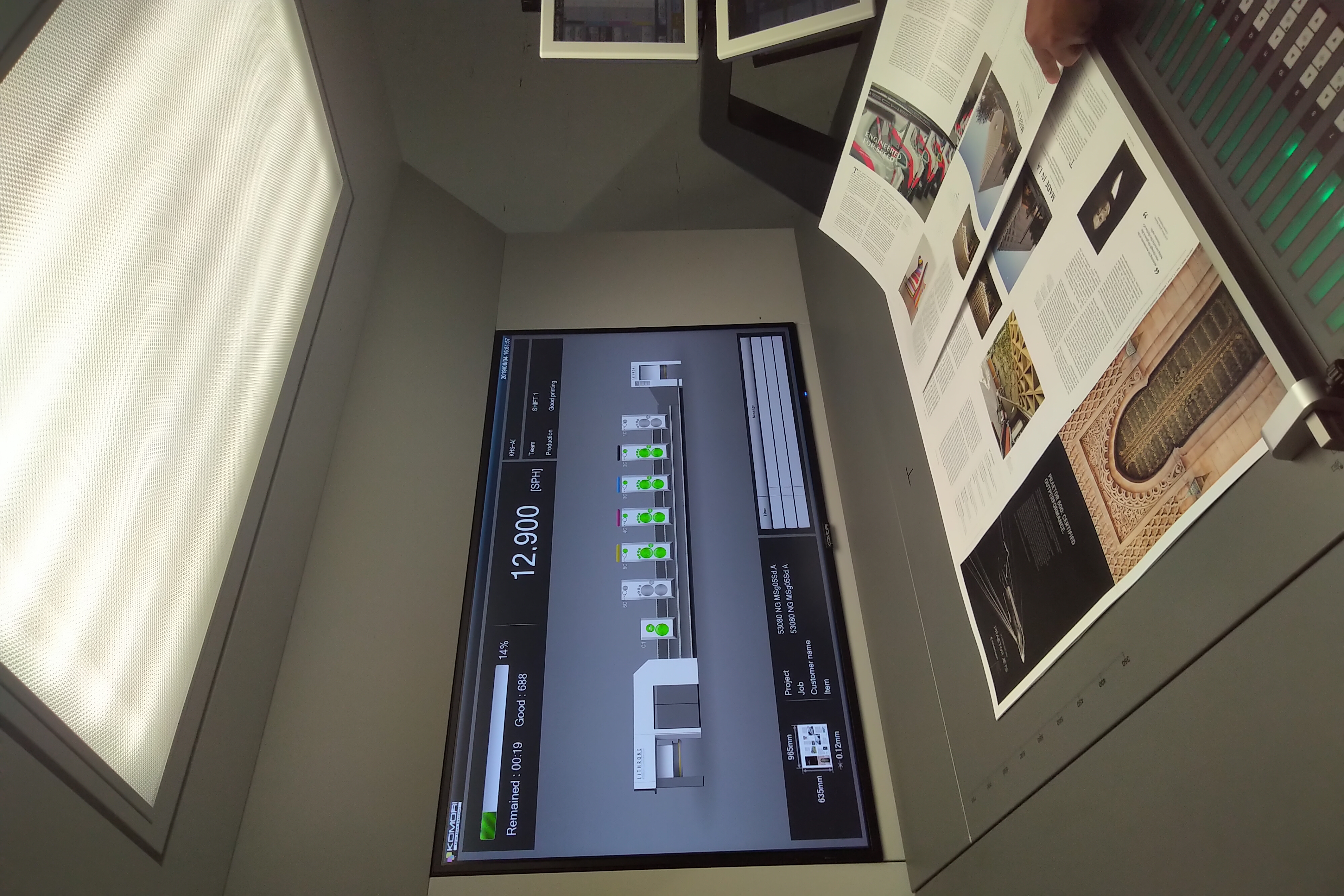
Paper stock, binding, and finishing carry the same signal at a physical level, weight and texture a reader notices before reading a word. A brochure sells. A magazine with a real editorial spine earns attention on its own terms, and that earned attention is what makes someone set it on a coffee table instead of a recycling bin. This short video walks through how these production choices come together in a finished piece.
How Do You Measure Whether Print Is Actually Working as a Brand Investment?
You measure it the way you’d measure a relationship, not a campaign: through what people do with it months later, not what they click on this week.
This is where most marketing executives stall out on print permanence marketing. They’re used to a dashboard that updates in real time. A magazine doesn’t give you that, and if you go looking for it, you’ll conclude the whole exercise failed when it didn’t, you were just measuring the wrong thing.
What Metrics Matter When Print Stays in Clients’ Hands and Homes Long-Term Rather Than Being Discarded?
Clicks, impressions, and click-through rate don’t apply here, because print isn’t built to generate an immediate action, it’s built to sit in a room and keep working quietly. Instead, track signals like:
- Whether a client brings up the magazine unprompted in a renewal meeting
- Whether your sales team reports seeing it on the coffee table months after delivery
- Requests for extra copies to hand to a colleague or client
- Mentions in email replies or thank-you notes
- Whether the piece resurfaces in a follow-up visit without you having to ask about it
Ask your account managers directly, they’ll usually know before any spreadsheet does.
How Does a Magazine’s Longevity in a Space Affect Its ROI as a Marketing Asset?
How long a publication stays visible on a desk or coffee table is a direct proxy for whether it earned its place there. A piece that gets binned the day it arrives has failed, no matter how well it was printed. One that’s still out six months later is still generating impressions, for free, without another dollar of spend.
That’s the compounding part digital doesn’t offer. An ad stops the moment you stop paying for it. A well-made publication keeps delivering exposure for as long as someone chooses to keep it out, which is why the cost of producing one is better weighed against sustained perception value over years than treated as a per-unit marketing expense.
What Is the Process for Creating a Magazine That Works as Both Editorial Content and Marketing Strategy?
The process runs as one continuous line from strategy to delivery, editorial spine first, design second, print last, not a series of handoffs between separate vendors.
How Does Starting With a Clear Editorial Spine Change What a Branded Magazine Can Accomplish?
A magazine built on a template looks like a brochure with better paper. A magazine built on an editorial spine, the story it’s telling, the angle it takes, the reason a reader would keep it, looks like something a person chooses to pick up twice.
That’s the difference between a piece that supports print permanence marketing and one that just gets printed. The spine determines what gets written, which images get sourced, and how the layout paces the reader through it. Skip that step and start with a design template instead, and you get pages that look polished but say nothing memorable, which defeats the entire point of putting a brand in physical form.
Who Should Be Involved in Creating a Custom Publication From Strategy Through Delivery?
On the client side, a marketing lead stays involved throughout, with leadership brought in at key sign-off points, concept approval, final proof, nothing more. Everything else is handled end-to-end: strategy, writing, layout, image rights, print production, quality control, and delivery.
Rethink Publishing runs this as a single managed process rather than stitching together a freelance writer, an outside designer, and a separate printer. One team carrying the work from concept through delivery means the editorial intent set on day one survives all the way to the printed page, nothing gets lost in translation between people who never talk to each other.
This process is for companies that think about brand perception in years, not quarters. If that’s not the priority right now, a magazine isn’t the right move yet, and that’s a fine place to be.
Frequently Asked Questions
Is print marketing dead, or just changing?
Not dead, just repositioned. Print no longer competes with digital for daily reach; it competes for permanence. Brands now use it deliberately, for the few touchpoints meant to last years instead of hours, which is a different job than a social post was ever meant to do.
How long does a branded magazine typically stay in a client’s home or office?
A well-made magazine or coffee-table book stays for years, not weeks, often displayed rather than filed away. Clients we’ve worked with report pieces still sitting on reception desks and coffee tables long after the project that inspired them closed.
Can a small or mid-sized company benefit from a print publication, or is this only for luxury brands?
It depends on what the brand needs to signal, not just its size. A firm with a strong visual identity and relationship-driven clients, a boutique law practice, a design studio, a private club, can justify it even at modest revenue. A company selling on price alone probably can’t, regardless of size.
What industries make the most sense for a custom magazine or coffee table book?
Hospitality, real estate, architecture, private clubs, and professional services with high-trust client relationships tend to see the clearest return. We’ve also produced work for cybersecurity firms, proof that the format fits any brand serious about how it’s perceived, not just visually driven ones.
How is a branded magazine different from a company brochure?
A brochure sells; a magazine has an editorial spine and earns attention on its own terms. It reads like something a client chose to keep, not something handed to them, that distinction is what separates a marketing asset from a marketing artifact.
Conclusion
Print permanence works because it does the one thing digital structurally can’t: it stays. A magazine on a coffee table keeps working for years after the campaign budget that produced it is gone. The decision isn’t print versus digital, it’s choosing which few relationships deserve an asset built to last, not just be seen. That’s the entire case for print permanence marketing in one sentence.
If you’re weighing whether your brand qualifies, start by listing the five client relationships you most need to keep warm for the next three years. That list is your editorial brief. Bring it to Rethink Publishing at www.rethink-publishing.com.
Recommended Articles
Explore more from our content library: