
Understanding brand retention physical publications is essential. Physical publications build brand retention because they create a tactile, lasting artifact that digital content can’t replicate, clients keep a well-made magazine on a coffee table for months, re-engaging with the brand every time they pick it up. Digital content is consumed once and disappears into a feed; print occupies physical space in a client’s home or office, functioning as a recurring, ad-free touchpoint. This staying power is why luxury brands, hospitality groups, and design-led companies use custom magazines and coffee table books to deepen relationships that a newsletter or social post can’t sustain on its own.
Why Do Luxury Brands Choose Physical Publications for Brand Retention Over Faster Digital Channels?
Luxury brands choose physical publications because retention rewards patience, and digital channels are built for speed, not staying power.
A social post gets a few seconds of attention before the algorithm buries it. A well-made magazine sits on a coffee table for months, getting picked up again during a dinner party, a slow Sunday morning, or a client meeting in the lobby. That repeated, unprompted exposure is the entire mechanism behind brand retention physical publications rely on, no push notification required.
What Is the Long-Term Value of Physical Publications Versus Digital-Only Retention Strategies?
Speed and low cost are the wrong metrics if the goal is a lasting client relationship rather than a passing impression. Reach tells you how many people saw something once; it says nothing about whether they remember who sent it. A digital newsletter can hit ten thousand inboxes and still fail to make a single client feel closer to the brand, because it disappears the moment the next email arrives. A magazine has no “next email.” It occupies physical space, and physical space demands a decision, keep it or throw it away. Brands that get kept are brands that get remembered.
For a broader look at how publishers think about this exact tension between reach and loyalty, the ebook from Darwin CX on enhancing customer retention in the publishing industry walks through the metrics that actually correlate with long-term client attachment, rather than short-term engagement spikes.
How Does Publication Frequency Affect Client Retention and Brand Perception?
A quarterly or annual publication signals editorial discipline; a rushed monthly one often signals volume marketing dressed up as content. Clients notice the difference between something produced because it was due and something produced because it was ready. Rethink Publishing builds each issue around a defined editorial spine first, which is part of why the studio favors considered cadence over constant output, quality compounds slower than a feed, but it compounds.
None of this makes print the right call for every company. If the brand doesn’t have a story worth sitting with, a magazine won’t manufacture one, and that’s worth admitting before committing the budget.
How Do Physical Magazines Create Deeper Client Relationships Than Digital-Only Content?
A physical magazine holds attention long enough for a brand message to actually land, where a scroll only holds it for seconds. That difference, sustained attention versus glancing attention, is the mechanism behind brand retention physical publications create, and it starts with what the reader is holding, not just what they’re reading.
A phone screen competes with a notification badge, three open tabs, and an algorithm deciding what shows up next. A magazine on a coffee table competes with nothing. There’s no autoplay video pulling the eye sideways, no ad inserted between paragraphs, no feed refreshing to bury what was just read. The reader chose to pick it up, which means they’ve already given the brand something digital content rarely gets: undivided attention. That’s a different psychological state than scrolling, and it changes how thoroughly a brand’s story gets absorbed rather than skimmed.
What Editorial and Design Choices Make a Physical Publication Feel Intentional Rather Than Promotional?
A brochure sells. An editorial product informs, and readers can tell the difference within the first two pages. Typography choices, photography that’s been commissioned rather than pulled from a stock library, and story selection that includes something other than the brand’s own achievements, these are the signals that a publication has an editorial spine instead of a sales agenda. At Rethink Publishing, that spine gets built before a single layout decision is made, precisely because a magazine that reads like a pitch loses the trust it’s trying to earn.
- Typography and layout that feel curated rather than templated
- Commissioned photography instead of stock imagery
- Story selection that goes beyond the brand’s own achievements
- Pacing that gives each feature room to breathe rather than compressing content to fill space
- A consistent editorial voice that reads like a publication, not a sales deck
How Does the Tactile Experience of Holding a Magazine Influence Loyalty Compared to Scrolling?
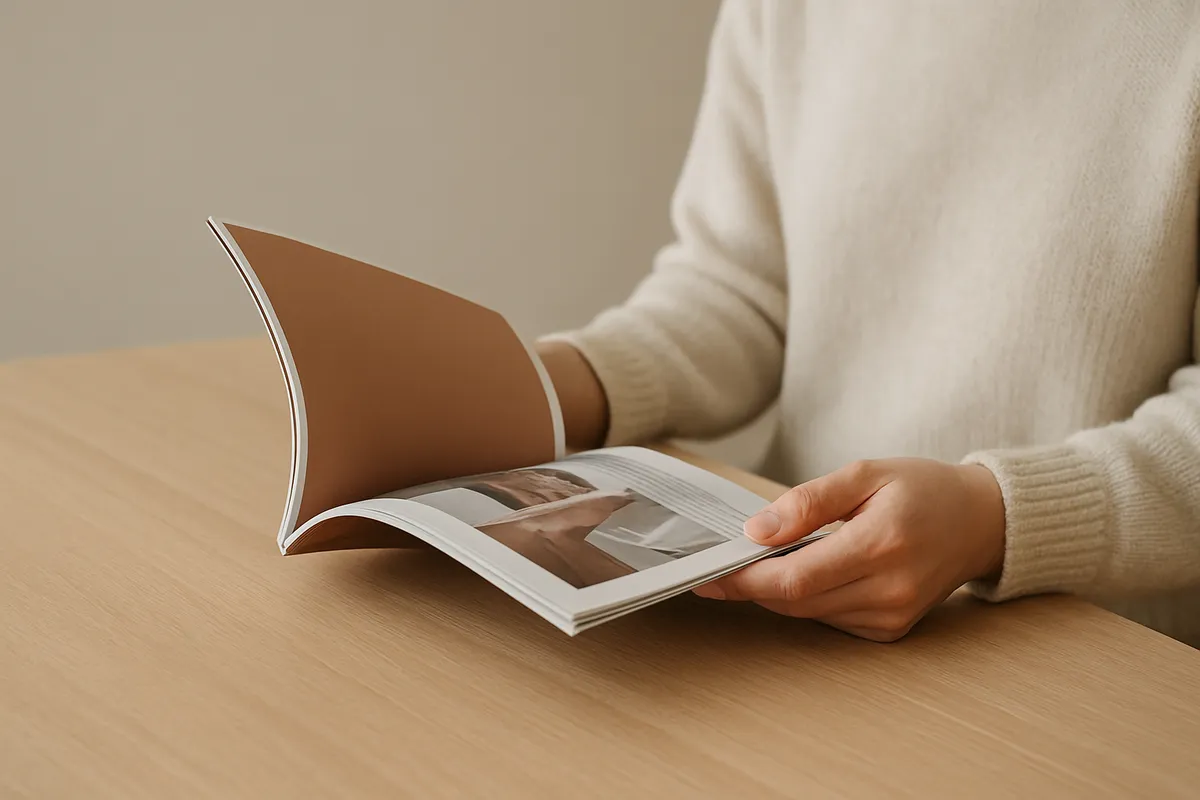
Paper weight, page texture, and the physical act of turning a page slow the reader down in a way a touchscreen never does. That slower pace is not incidental, it’s what allows a brand story to feel considered rather than consumed. A magazine that sits on a desk or a coffee table also keeps working after the first read, reappearing every time someone in the room picks it up again. This short video offers a useful visual sense of how a printed piece is handled and experienced in a way a screen simply isn’t: watch on YouTube.
What Makes a Physical Publication Feel Like a Keepsake Rather Than Disposable Marketing?
A keepsake earns its place on a coffee table through paper weight, print finish, and editorial substance working together, not through any single flourish.
How Do Production Quality, Paper Choice, and Design Precision Signal Brand Values?
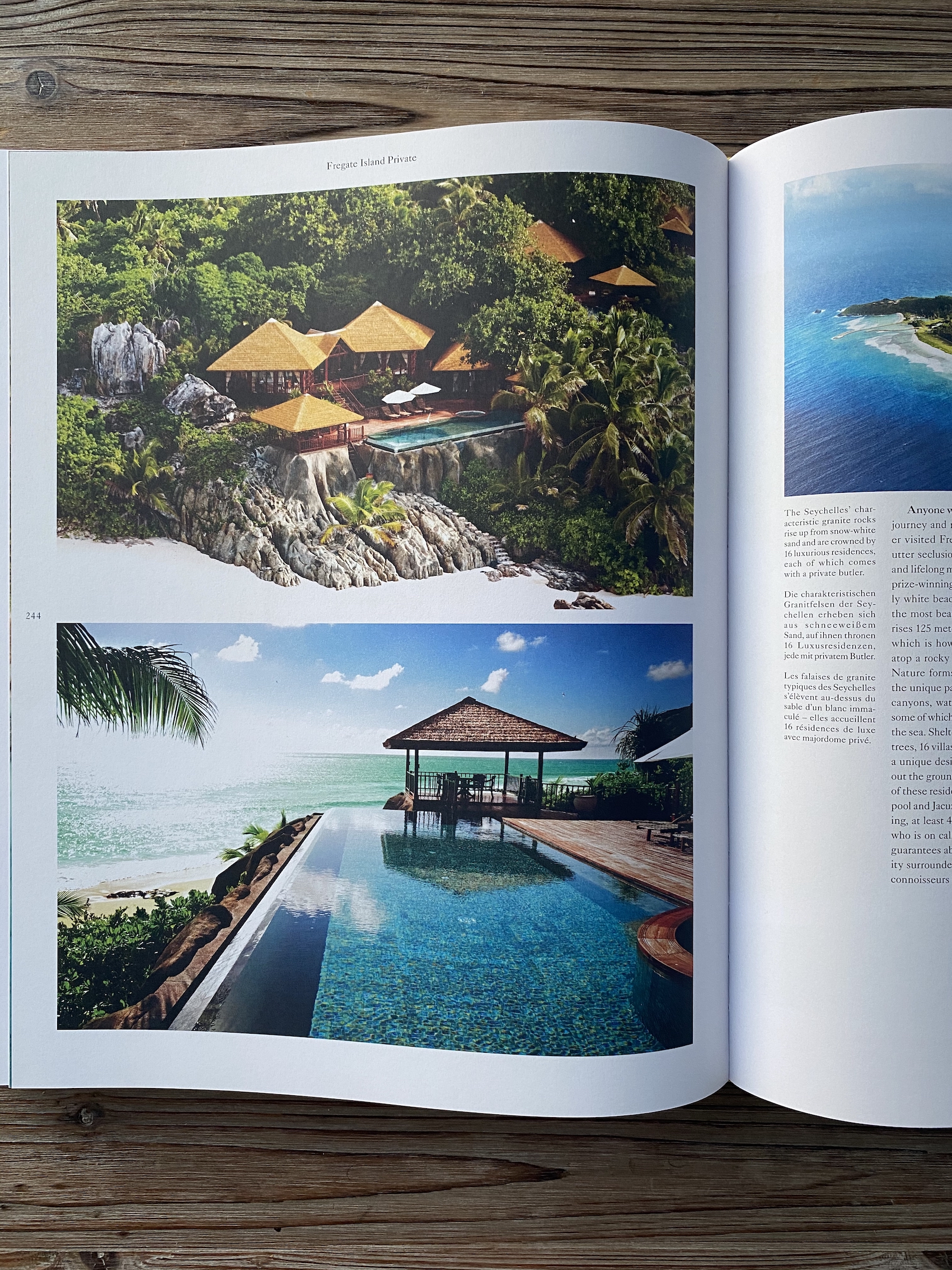
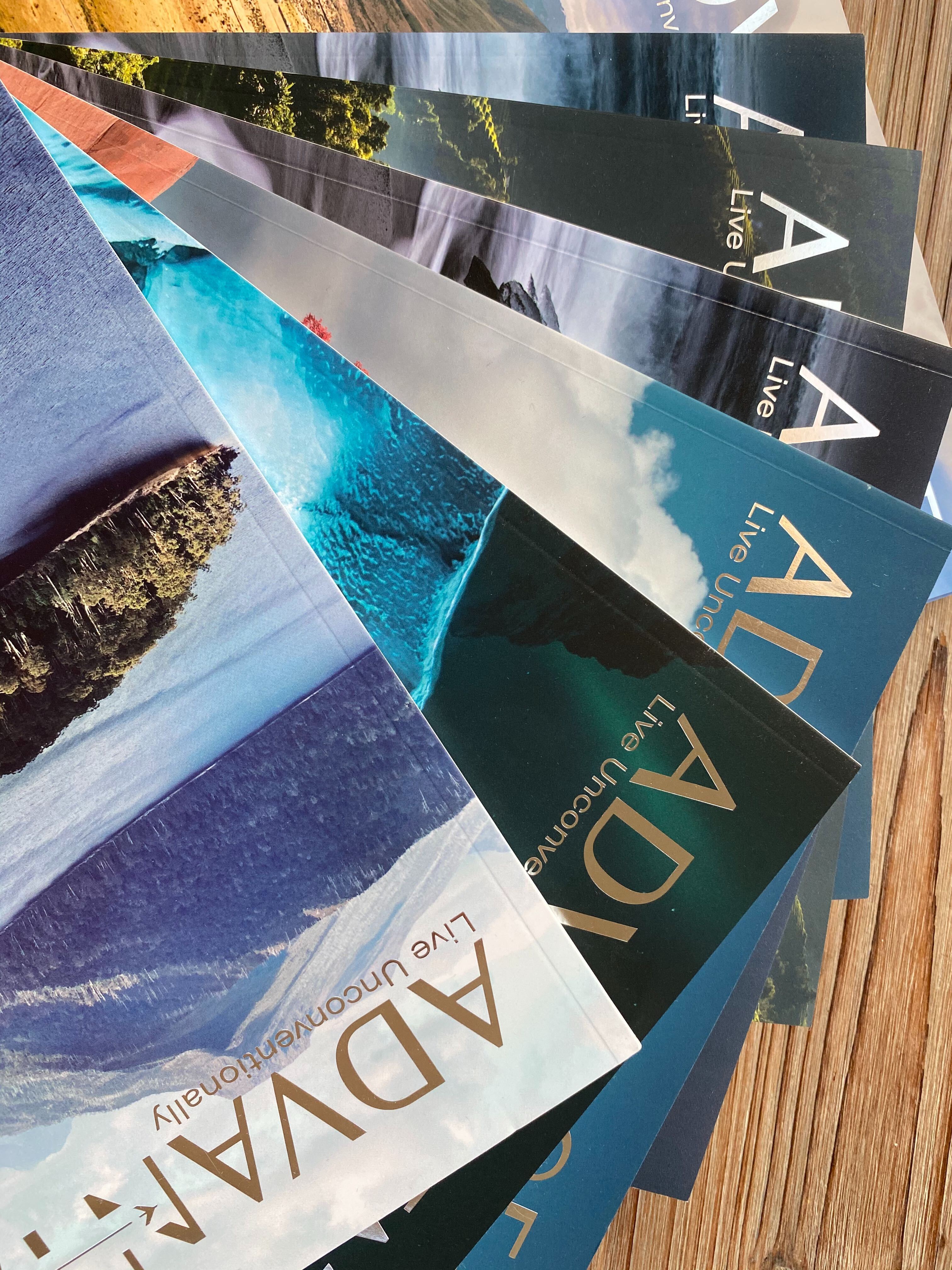
A reader forms a judgment about your brand before reading a single word, just from how the object feels in their hands. The weight of the paper stock, the way a matte or soft-touch cover resists fingerprints, the precision of a trim edge, all of it tells the reader whether your brand pays attention to detail or cuts corners.
Cheap stock and loose registration read as an afterthought no matter what the copy says. Design precision, consistent grid systems, deliberate white space, color that holds true from cover to back page, signals control and intent. This is the physical layer of brand retention: physical publications either confirm the brand’s standards on contact or undercut them before the story starts.
What Role Does Editorial Curation Play in Making a Magazine Worth Keeping?
Editorial curation decides whether the object lands on a coffee table or in a recycling bin within a week. Story selection, pacing, and a genuine point of view give a magazine a reason to exist beyond promotion, readers can tell the difference between a publication built around a message and one built around filling pages.
This is where quality production and thin content collide. A beautiful cover with weak stories inside creates a mismatch the reader feels immediately, the outside promise has to match an inside payoff, or the object gets set aside rather than kept. A finished, considered publication behaves like an artifact; disposable collateral behaves like a transaction, read once and forgotten.
Rethink Publishing builds this editorial spine before design work starts, precisely because sequencing and story selection determine whether the finished piece earns a second read.
How Should Brands Integrate Physical Publications With Digital Touchpoints to Strengthen Retention?
Print and digital work best as separate experiences pointed at each other, not one channel dressed up twice, that separation is what protects brand retention physical publications depend on.
What Workflows Connect Print Magazines to Email, Social, and Web Content Without Diluting the Print Experience?
A magazine should send a reader somewhere new, not repeat what they already saw in a newsletter. A QR code on a feature about a hotel renovation might lead to a personalized landing page with the architect’s full interview, a behind-the-scenes video, or a booking offer tied to that specific story.
The workflow only works if the digital destination adds something. If the code just reloads the same paragraph in a browser window, the reader feels tricked, not rewarded. We build that separation into the editorial spine at Rethink Publishing, deciding early what belongs on the page and what belongs behind the code, so neither channel repeats the other.
This is also why the print content itself can’t be a repurposed newsletter. A newsletter exists to be scanned and deleted. A magazine exists to be kept. Each format needs its own reason to exist, or the reader stops trusting either one.
How Do Brands Measure Retention Impact When Print and Digital Work Together?
Retention shows up in behavior, not clicks. Renewal rates, repeat inquiries, and client conversations that reference a specific article are more reliable signals than open rates or impressions, which measure exposure rather than attachment.
The failure mode is over-integration, stacking QR codes, hashtags, and calls-to-action on every spread until the magazine reads like a flyer with better paper stock. A publication that sells too hard stops being kept.
Which Industries and Client Segments See the Strongest Retention Lift From High-End Print?
Brand retention physical publications generate works best where relationships are long, high-value, and hosted somewhere a printed object can sit in the room, luxury, hospitality, real estate, private wealth, and design lead that list.
Do Luxury, Hospitality, Real Estate, and Design Audiences Respond Differently to Physical Publications?
Yes, and the reason is structural, not aesthetic. A hospitality group’s client relationship might span a decade of repeat stays; a real estate developer’s sales cycle can run 18 months from first tour to closing. Both need a touchpoint that survives longer than a social post’s 48-hour lifespan. A magazine placed in a lobby, a private club lounge, or a closing gift package keeps working long after the meeting ends.
Design and architecture firms fit the same pattern, their entire value proposition rests on visual credibility, so a poorly produced brochure actively undercuts the brand. A design-led coffee-table book does the opposite. It confirms the taste level the firm is selling.
The less obvious case is cybersecurity. Yes, cybersecurity. A firm selling trust and technical authority to boardrooms has used the same editorial approach, proof that this isn’t limited to industries people expect to be visual. If the client relationship is built on trust and judgment rather than a quick transaction, print earns its place.
What Client Profiles Indicate a Custom Magazine Is Worth the Investment?
The clearest signal is a relationship-driven decision-maker who wants clients to feel treated as individuals, not segments in a CRM funnel. If your business runs on high volume, low-touch consumer transactions, a physical publication likely won’t move the needle the way it does for a private wealth manager or a boutique hotel group. That’s a legitimate reason to opt out, not every company needs one.
A few quick signals worth checking before committing to a custom publication:
- Client relationships are measured in years, not a single transaction
- Decisions are high-trust, high-value, or referral-driven
- The brand has a genuine story beyond its own product catalog
- There’s an existing touchpoint, a lobby, a closing gift, a client gift, where a printed object naturally fits
Frequently Asked Questions
Is print worth it if most clients already engage with a brand digitally?
Yes, because digital engagement is exactly what makes print stand out. Your clients see hundreds of digital touchpoints a day and forget most of them by lunch. A magazine that sits on a coffee table competes with nothing. It has no notifications, no algorithm, no expiration date.
How often should a company publish a custom magazine to maintain retention without overproducing?
Most brands do best with one issue a year, sometimes two for larger organizations with more to say. Retention comes from the object being kept and revisited, not from publishing frequency. A rushed quarterly schedule usually produces thinner editorial content and weaker design, the opposite of what makes a client hold onto it.
Can a smaller company benefit from a physical publication, or is this only for large luxury brands?
Smaller companies can benefit, but only if the brand and client relationships justify the investment. A boutique law firm or a design studio with a loyal, high-value client base often has more to gain than a large brand with low-touch customers. The right question isn’t company size, it’s whether relationships are worth deepening.
What’s the difference between a branded magazine and a coffee table book for retention purposes?
A magazine builds recurring contact through a publishing cadence; a coffee-table book marks a single moment meant to last indefinitely. Magazines work well for hospitality groups or real estate developers with ongoing client relationships and fresh stories each year. Coffee-table books suit anniversaries, flagship launches, or portfolio milestones, Rethink Publishing has produced 30+ across hospitality and design, most tied to exactly those moments.
How do you know if a physical publication is the right investment for a specific brand?
It’s right if your brand depends on trust, taste, and long relationships rather than transactional, one-time purchases. If clients make decisions worth six or seven figures, or refer you to peers, a physical object reinforces that weight. If neither applies, save the budget for something else.
Conclusion
Digital channels move fast and disappear faster; a well-made publication stays on a shelf and gets picked up again months later. The brands that benefit most are the ones with long client relationships, high-trust decisions, and a story that doesn’t fit in a social post. Treat frequency and format as strategic choices, not defaults, one considered issue a year beats four rushed ones. In every case, brand retention physical publications deliver comes down to whether the object earns a second look, not how many channels it touches.
If you’re weighing whether this fits your brand, start by listing the last three client relationships that went cold, and ask what a physical touchpoint might have done differently. Then visit rethink-publishing.com to talk through what an editorial spine for your brand could look like.
Recommended Articles
Explore more from our content library: