
| Key Insight | Explanation |
|---|---|
| Physical assets outlast digital impressions | A well-made print magazine or branded book stays in homes and offices for months. A digital ad disappears in seconds. |
| Tangible marketing builds trust | A beautifully produced physical object signals quality and confidence. People extend that feeling directly to the brand behind it. |
| Print is an owned channel | No algorithm decides who sees it. No platform can pull the plug. The brand controls the story and the distribution entirely. |
| Editorial quality separates keepsakes from clutter | A poorly designed promotional item damages brand perception. A publication built with a clear editorial spine earns attention and respect. |
| Not every brand needs a magazine | Tangible brand marketing works best for companies investing in long-term brand equity, not short-term lead generation. |
| End-to-end production quality matters | From paper choice to color proofing, every production decision shapes how the brand is perceived. Details are not optional at this level. |
A tangible brand marketing strategy uses physical assets, print publications, branded objects, and tactile experiences, to build brand presence that persists far beyond a single scroll or click. Unlike digital campaigns that vanish within hours, tangible marketing puts something real in a person’s hands. That physical reality changes how people feel about a brand, and how long they remember it.
The core idea is simple. Physical objects engage more senses than a screen can. They occupy space. They sit on desks and coffee tables. They get picked up again days or weeks later. Research from the American Marketing Association confirms that tangible marketing works best when it is thoughtful, noting that a poorly designed keepsake can undermine brand perception just as quickly as a great one can build it [1].
This article covers what a tangible brand marketing strategy actually is, how it works in practice, the specific benefits that make it worth the investment, the mistakes most brands make, and the principles that separate forgettable promotional items from publications people genuinely keep.
What Is a Tangible Brand Marketing Strategy?
A tangible brand marketing strategy is a deliberate plan to represent a brand through physical assets that audiences can hold, display, and return to over time. It treats the physical object itself as a brand expression, not just a delivery mechanism for a message.
Defining the Concept Clearly
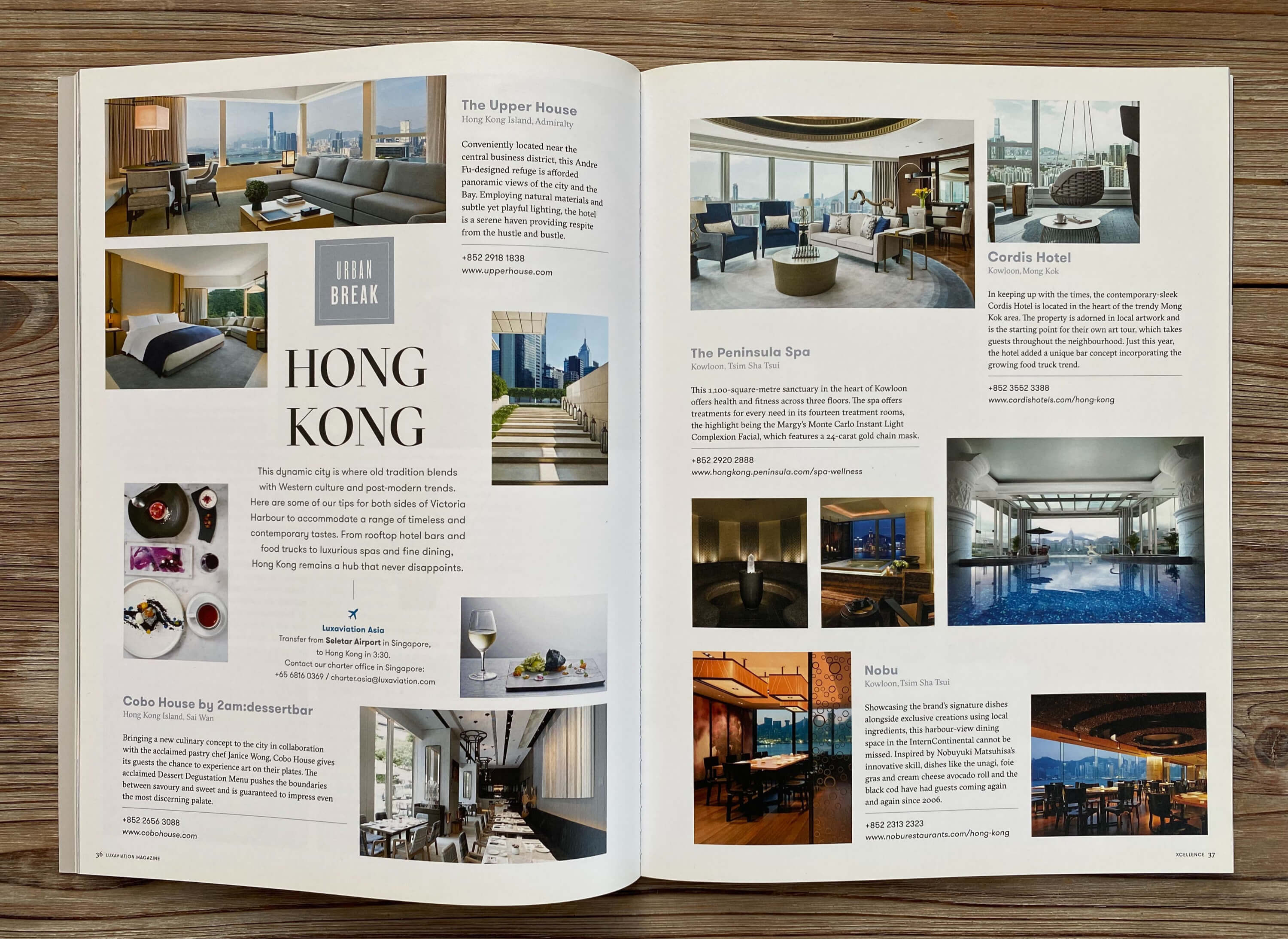
The word “tangible” here carries real weight. Tangible marketing encompasses any physical brand touchpoint: print magazines, coffee-table books, direct mail, branded merchandise, event materials, and product samples [2]. But not all of these are equal. A branded pen is tangible. A beautifully designed, editorially curated magazine is tangible at an entirely different level of intention and impact.
The Small Business Chronicle defines tangible marketing as “the use of promotional items to contribute to brand recognition and customer loyalty” [3]. That’s accurate, but it undersells the strategic depth available to brands willing to invest properly. At its highest expression, a tangible brand marketing strategy isn’t about promotional items. It’s about creating physical objects that carry a brand’s full identity, values, and voice into the world.
The Medill IMC Professional program at Northwestern University identifies brand consistency and emotional resonance as core pillars of any effective brand marketing strategy [4]. Physical assets, when designed with editorial intention, deliver both. They’re consistent because every page reflects a deliberate editorial spine. They’re emotionally resonant because a person holds them, reads them at their own pace, and keeps them by choice.
What Tangible Brand Marketing Is Not
It’s worth being direct about what this strategy is not. A brochure stuffed with product specs is not a tangible brand marketing asset. A trade show giveaway bag is not a brand statement. The difference lies in intention and craft. A magazine built around a clear editorial idea, with words and images paired deliberately, functions as a brand artifact. It earns a place in someone’s home. A generic promotional item gets left on a conference table.
The IBS India blog on tangible branding notes that building a tangible brand requires an honest industry analysis and a fair assessment of how a brand’s values translate into physical form [5]. That assessment is where most brands skip a step.
Pro Tip: Before commissioning any physical brand asset, write down the one idea you want someone to walk away with after spending 20 minutes with it. If you can’t answer that clearly, the object won’t either.
How Tangible Brand Marketing Works
Tangible brand marketing works by placing a physical brand expression into the environment where your audience lives and makes decisions, where it stays present without requiring another ad spend to maintain visibility.
The Mechanics of Physical Brand Presence
Digital marketing operates on interruption and repetition. It needs to reach someone multiple times before the brand registers. Physical marketing operates differently. A single high-quality publication, placed in the right hands, can do months of brand work on its own. It sits on a desk. A colleague picks it up. It gets mentioned in a meeting. That chain of touchpoints costs nothing after the initial print run.
Findsome & Winmore reports that tangible marketing materials, particularly print, generate stronger emotional responses than digital equivalents because they engage multiple senses simultaneously [6]. Touch, specifically, activates what researchers call the “endowment effect,” the cognitive tendency to assign higher value to things we physically hold. A brand that puts something beautiful in your hands is a brand you unconsciously value more.
The process for a print magazine, executed properly, follows a clear sequence:
- Editorial spine development. Define the idea that runs through the entire publication. What does this brand stand for, and what thread connects every article and image?
- Content planning and flatplan. Map every article, feature, and visual spread before any writing begins. Structure is decided first.
- Editorial and visual production. Writing, interviews, image sourcing, image rights clearance, and copy editing. Words and images are chosen together, not separately.
- Design and layout. Spreads are built with intention. Typography, white space, and image placement all serve the editorial idea.
- Color proofing and pre-press. Softproofing against print color profiles ensures what prints matches what was intended. This step is where “made with care” becomes literal.
- Print production and delivery. Paper selection, print proofing, and final production. Then shipping, worldwide.
Distribution: Getting It Into the Right Hands
A tangible brand marketing strategy only works if the physical asset reaches the right people. Distribution is a strategic decision, not a logistical afterthought. The most effective approaches include direct mailing to curated prospect and client lists, placement in reception areas and hospitality spaces, gifting to key accounts and partners, and inclusion in new client welcome packages.
Common Giant notes that a tangible marketing strategy can be broad, reaching hundreds, or highly targeted, reaching specific clients with choice items [7]. For premium brands, targeted distribution almost always outperforms mass distribution. Fifty publications in the right hands outperform five hundred in the wrong ones.
Key Benefits: Why Physical Brand Assets Outperform Digital Alone
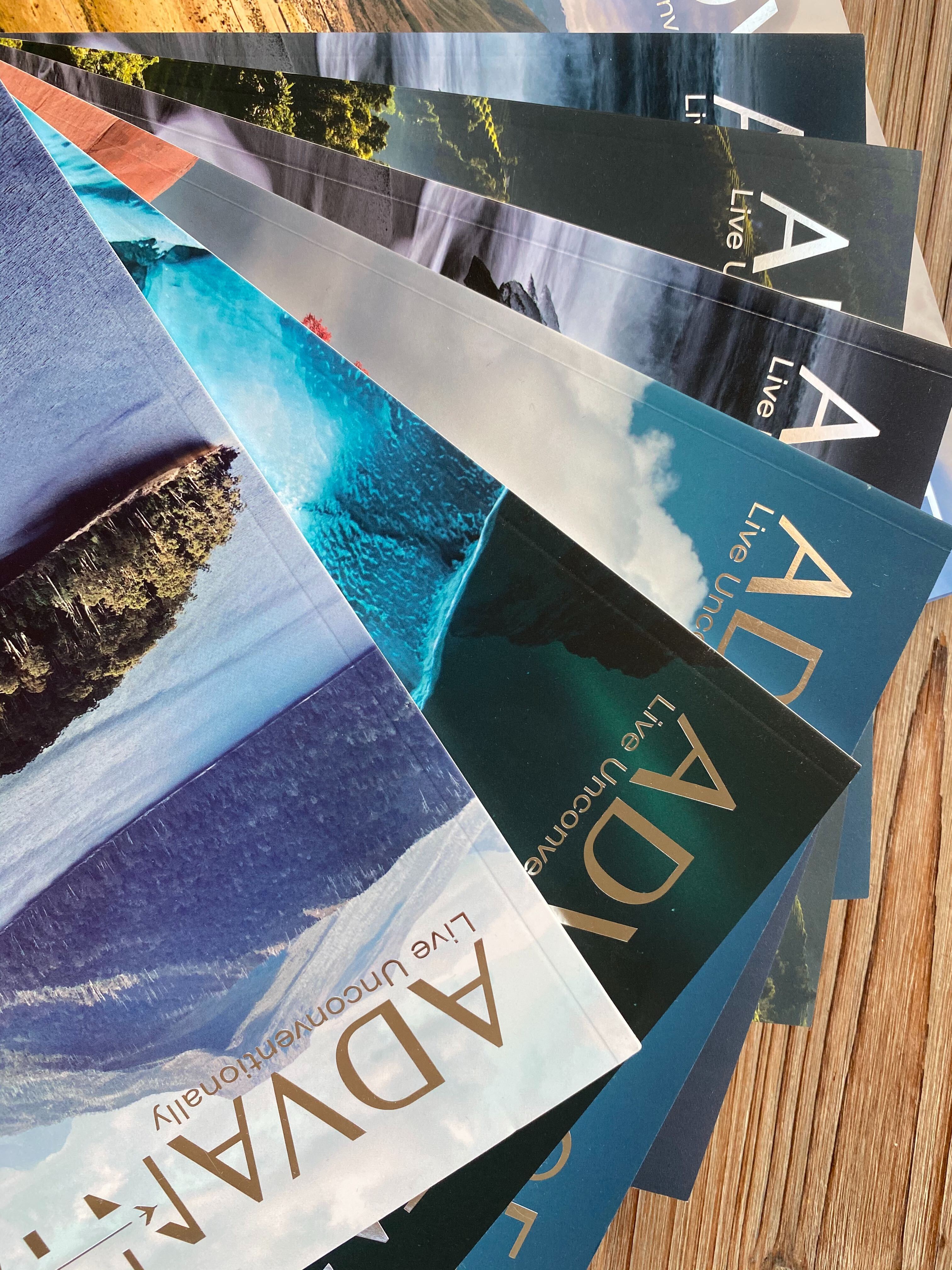
A well-executed tangible brand marketing strategy delivers brand benefits that digital channels structurally cannot: sustained attention, physical permanence, and trust built through the quality of the object itself.
What the Research and Practice Show
The case for tangible marketing isn’t nostalgic. It’s practical. As of 2026, digital saturation has reached a point where the average person is exposed to thousands of digital brand impressions daily. Most are ignored. Physical brand materials, by contrast, are scarce. That scarcity is now a genuine strategic asset.
The numbers make the case clearly. According to the Data & Marketing Association, direct mail achieves a response rate of 4.4% compared to email’s average of just 0.12%, meaning physical mail outperforms email response rates by more than 36 times [12]. Separately, a study by Temple University’s Center for Neural Decision Making found that physical advertising materials produced 70% more brain activity associated with memory encoding than digital ads, a direct measure of how much more deeply tangible materials register with audiences [13].
- Sustained attention. A physical magazine earns minutes of focused reading time. A digital ad gets roughly 1.7 seconds of attention, per industry tracking data. The difference in brand absorption is not marginal.
- Permanence. A magazine sits on a coffee table for months. A social post has a half-life measured in hours. The brand stays visible without paying again for every impression.
- Trust through quality. A beautifully produced object signals a serious, confident company. People extend that feeling to the brand itself, often without realizing it.
- An owned channel. No algorithm decides who sees a print magazine. No platform can change its reach overnight. The brand controls the story entirely.
- Differentiation. Almost no company in any given sector does this well. A great publication sets a brand apart in a category of sameness.
- Shareability. Physical objects get passed along. A colleague picks it up. A client shows it to a partner. That organic circulation extends reach without additional cost.
The Forte Foundation distinguishes between tangible and intangible brand benefits, noting that tangible benefits are what someone functionally receives from a brand interaction [8]. A well-made magazine delivers both: the functional benefit of useful, interesting content and the intangible benefit of a brand experience that feels premium and considered.
Comparing Tangible and Digital Brand Marketing
| Factor | Tangible Brand Marketing | Digital Brand Marketing |
|---|---|---|
| Attention duration | Minutes to hours per interaction | Seconds per impression |
| Lifespan | Months to years | Hours to days |
| Algorithmic dependency | None | High |
| Sensory engagement | Touch, sight, smell (paper) | Sight, sound |
| Trust signal | High (quality object = quality brand) | Variable (ad fatigue is real) |
| Speed to market | Weeks to months | Hours to days |
| Best for | Long-term brand equity, client retention | Short-term lead generation, reach |
The honest position is that tangible and digital marketing are not opponents. They serve different jobs. Digital drives awareness and traffic. Tangible marketing builds the trust and brand depth that converts that awareness into lasting loyalty. The brands that understand this use both, but they don’t confuse one for the other.
Pro Tip: Think of a print magazine as the brand experience you’d want a prospective client to have before they ever take a meeting with you. It should do the work of introducing the brand’s depth, values, and quality before a single conversation happens.
Common Mistakes in Tangible Brand Marketing Strategy
The most common failure in tangible brand marketing is treating a physical asset as a brochure with better paper. Quality of production alone does not make something worth keeping.
Mistakes That Undermine the Strategy
In practice, brands make a predictable set of errors when they move into tangible marketing. Recognizing them early saves significant investment:
- No editorial spine. A publication without a clear editorial idea is just a collection of pages. The thread that connects every article, image, and design decision is what makes a magazine feel coherent and intentional. Without it, readers sense something is off, even if they can’t articulate why.
- Confusing a magazine with a brochure. A brochure sells products. A magazine builds a world. The moment a publication starts listing services and features instead of telling stories and sharing ideas, it loses the reader.
- Underinvesting in design. Weak typography, poor image selection, or inconsistent layout signals exactly the opposite of what a premium brand wants to communicate. The American Marketing Association is direct on this point: a poorly designed keepsake can undermine brand perception just as quickly as a great one can build it [1].
- Skipping color management. What looks right on screen often prints differently. Softproofing against print color profiles is not optional at a premium level. Brands that skip this step discover the problem after thousands of copies are printed.
- Wrong distribution strategy. Printing 2,000 copies and leaving them in a lobby is not a strategy. Distribution should be as deliberate as the editorial content.
- Treating it as a one-off. A single issue builds awareness. A consistent publishing cadence builds brand authority. Brands that publish once and stop rarely see the full return on the investment.
The Brochure Trap
The brochure trap is the most common and most damaging mistake. A marketing team decides to produce a magazine, then fills it with product descriptions, executive quotes, and company milestones. The result looks like a magazine but reads like a sales document. Readers notice immediately.
Advertising Week notes that the future of tangible marketing lies in moving away from throwaway culture by choosing materials that are designed to last [9]. That principle applies to content as much as to paper stock. Content that is genuinely useful, interesting, and worth reading is what makes someone keep a publication. Content that reads like a pitch is what makes them recycle it.
At Rethink Publishing, we’ve found that the brands who get the most out of a publication are the ones who understand the difference before the project begins. They come with a point of view about what their brand stands for, not just a list of what they want to promote.
Best Practices for a Tangible Brand Marketing Strategy in 2026
The most effective tangible brand marketing strategies in 2026 combine a clear editorial philosophy, disciplined production standards, and targeted distribution to audiences who actually influence decisions.
Build the Editorial Foundation First
Every successful publication starts with an editorial spine: a single, clear idea that defines what the publication stands for and connects every element within it. This is not a tagline. It’s a strategic decision about what the brand wants to say, to whom, and why it matters.
The Northwestern Medill IMC program identifies consistent brand narrative as one of the highest-leverage elements in any brand marketing strategy [4]. A publication built around a consistent editorial idea delivers that narrative with a depth and richness that no other format can match.
Practical steps for building the editorial foundation:
- Define the single idea that runs through the entire issue. One sentence, not five.
- Identify the audience with precision. Who holds this publication, and what do they care about?
- Map the content before writing begins. A flatplan (a visual outline of every spread and article) prevents the publication from drifting.
- Assign editorial direction, not just design direction. Someone needs to be responsible for the quality and coherence of the words, not just the visuals.
- Establish a review process with multiple proofing rounds. Errors in print cannot be corrected after the fact.
Production Quality Is Brand Quality
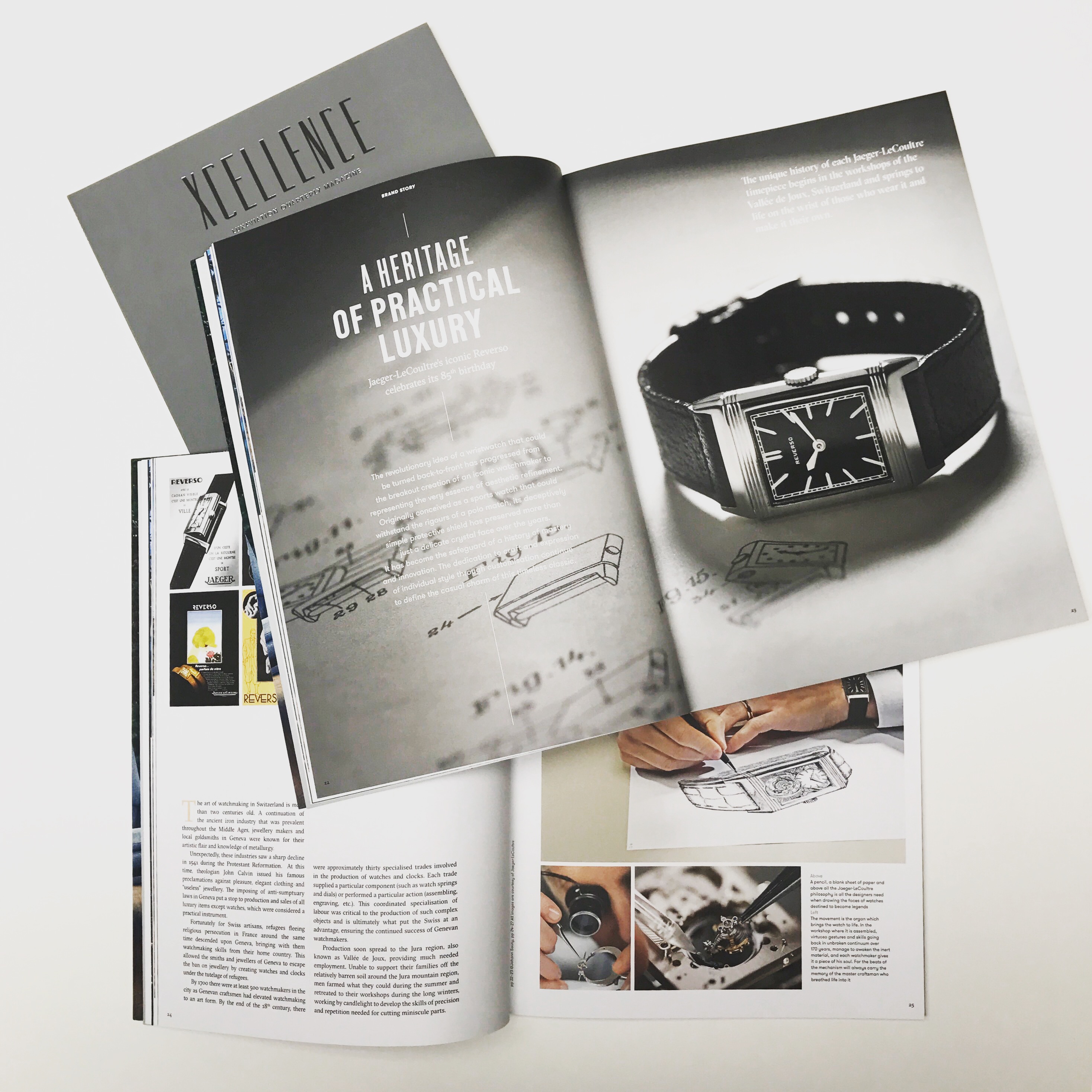
At this level, production decisions are brand decisions. Paper weight, finish, binding, color accuracy, and typography all communicate something about the brand before a single word is read. These are not aesthetic details. They’re the physical language of brand quality.
1338 Tryon notes that tangible marketing puts real, concrete items in the hands of customers that can speak volumes about a brand [10]. That’s precisely right. The object itself communicates before the content does.
Our team at Rethink Publishing recommends treating every production decision as a brand decision. The paper choice should reflect the brand’s character. The finish, matte or gloss, should suit the editorial tone. The binding should match the intended use. A coffee-table book and a quarterly magazine make different promises through their physical form.
Pro Tip: Request a physical print proof before approving a full print run. What looks correct on a calibrated monitor can shift significantly in print. A proof is the only way to know what your audience will actually hold.
Research on tangible marketing psychology confirms that physical objects engaging multiple senses create stronger, more durable memory traces than digital media [11]. Every production quality decision either strengthens or weakens that memory trace.
Sources & References
- American Marketing Association, “Marketing’s Most Overlooked Advantage: Brand Presence,” 2026
- Findsome & Winmore, “Get Real: The Benefits of Tangible Marketing,” 2023
- Small Business Chronicle (Chron.com), “Definition of Tangible Marketing,” 2022
- Northwestern University Medill IMC, “Key Elements of a Successful Brand Marketing Strategy,” 2024
- IBS India Blog, “Tangible Branding,” 2023
- Findsome & Winmore, “Get Real: The Benefits of Tangible Marketing,” 2023
- Common Giant, “How to Easily Impact Your Customers with Tangible Marketing,” 2023
- Forte Foundation, “How to Apply Product Marketing Strategies to Personal Branding,” 2024
- Advertising Week, “Tangible Tactics and the Future of Marketing,” 2024
- 1338 Tryon, “The Importance of Tangible Marketing: A 2021 Business Guide,” 2021
- Medium / CreateYourMeta, “Understanding the Power of Tangible Marketing,” 2023
- Data & Marketing Association, “Response Rate Report,” 2018
- Temple University Center for Neural Decision Making, “A Bias for Action: The Neuroscience of Physical vs. Digital Media,” 2015
Frequently Asked Questions
1. What is an example of a tangible marketing strategy?
A tangible marketing strategy example is a brand-funded print magazine distributed quarterly to key clients, prospects, and partners. Unlike a brochure, it carries a clear editorial spine, features original writing and photography, and is designed to be kept rather than discarded. Other examples include custom coffee-table books produced for hotel or real estate launches, branded direct mail pieces with genuine editorial content, and event-specific publications that document a brand’s work and values. The defining characteristic of a strong tangible brand marketing strategy is that the physical object itself communicates brand quality before a word is read.
2. What are tangible products in marketing?
Tangible products in marketing are physical items that a brand produces or distributes to communicate its identity, values, or offering. These include print magazines, coffee-table books, branded merchandise, direct mail pieces, product samples, and event materials. In brand marketing specifically, tangible products are most valuable when they are designed with intention and built to a quality standard that reflects the brand’s positioning. A tangible product that feels cheap or generic undermines the brand; one that feels considered and premium reinforces it. The distinction between a functional promotional item and a genuine brand artifact lies entirely in the quality of editorial and design thinking behind it.
3. How does tangible brand marketing differ from digital marketing?
Tangible brand marketing operates on physical permanence and sensory engagement, while digital marketing operates on reach, speed, and algorithmic targeting. A digital ad can reach millions in hours but disappears within days. A well-produced print magazine reaches fewer people but stays in their environment for months, earns sustained reading time, and carries no ongoing cost per impression after printing. The two approaches serve different strategic purposes: digital marketing is most effective for short-term awareness and lead generation, while a tangible brand marketing strategy builds the deeper trust and brand equity that converts awareness into lasting client loyalty.
4. Is print marketing still relevant for B2B brands in 2026?
Yes, and arguably more so than five years ago. Digital saturation has made physical brand assets genuinely scarce, and scarcity is now a strategic advantage. B2B brands in sectors including cybersecurity, law, financial services, architecture, and real estate have used custom print magazines to reach senior decision-makers who are actively tuning out digital noise. A well-produced publication that arrives in a CEO’s office commands a different kind of attention than an email newsletter. The American Marketing Association’s 2026 research on brand presence specifically identifies physical brand touchpoints as an underleveraged advantage in B2B marketing contexts.
5. How do you measure the ROI of a tangible brand marketing strategy?
Measuring return on a tangible brand marketing investment requires different metrics than digital campaigns. Direct attribution is harder, but the relevant signals are clear: client retention rates, inbound inquiries referencing the publication, qualitative feedback from key accounts, how long clients keep the publication, and whether it gets mentioned in meetings or shared with colleagues. In practice, brands that invest in high-quality print publications consistently report that the publication becomes a conversation starter and a trust-builder that shortens sales cycles with high-value prospects. Results depend on the quality of the editorial content, the precision of distribution, and the consistency of the publishing cadence.
6. What makes a brand magazine different from a corporate brochure?
A brand magazine is an editorial product built around a clear idea, with original writing, curated photography, and a design-led layout that reflects the brand’s full identity and point of view. A brochure is a sales document that describes products or services. The difference is not cosmetic. A magazine earns a reader’s time because it offers something genuinely worth reading. A brochure asks for attention in exchange for a sales pitch. People keep magazines. People recycle brochures. A tangible brand marketing strategy built around a magazine works precisely because the publication earns its place in someone’s hands rather than demanding it.
This article covers the core principles of a tangible brand marketing strategy. It does not address specific print production costs, platform comparisons, or digital integration tactics in depth. Those topics are covered separately in the Rethink Publishing resource library.
If your brand is considering a print publication and you want to understand whether it’s the right investment for your specific situation, the most useful starting point is a direct conversation, not a brochure. Rethink Publishing has spent 20 years helping brands make that decision clearly and producing the publications that follow. Visit rethink-publishing.com to start that conversation.
Recommended Articles
Explore more from our content library: