
| Key Insight | Explanation |
|---|---|
| Print drives stronger memory encoding | Readers are 2.5x more likely to remember print ads than digital equivalents, due to the physical engagement involved in handling printed material. |
| Affluent audiences still read print | 81% of US affluents read print publications. 70% of households earning above $100,000 read print regularly, making it a high-value channel for premium brands. |
| Magazines are kept, not discarded | A well-produced brand magazine stays in a client’s home or office for months, keeping your brand present long after a digital ad has disappeared. |
| Editorial quality separates keepsakes from waste | Magazines that read like real publications — with genuine stories, strong design, and editorial rhythm — earn a place on coffee tables. Brochures don’t. |
| Print and digital work together | Print works best as the flagship piece in a broader brand strategy, feeding digital channels and creating a consistent brand presence across touchpoints. |
| End-to-end production matters | The quality of paper, binding, typography, and photography directly determines whether a magazine is kept or thrown away. These details aren’t optional. |
Audience retention print marketing works because physical media creates deeper cognitive engagement than digital content, and that engagement translates directly into brand recall, loyalty, and long-term client relationships. Readers are 2.5 times more likely to remember print ads than digital equivalents [1]. For brands that compete on trust and reputation, that difference isn’t trivial. It’s the whole point.
Print doesn’t just deliver a message. It creates an experience. When someone holds a well-produced magazine, they slow down. They read more carefully. They form a stronger association with the brand behind it. That’s the mechanism audience retention print marketing exploits, and it’s grounded in neuroscience, not nostalgia.
This article covers exactly how that mechanism works, what separates effective print retention strategies from expensive mistakes, and what the most credible brands are doing with print as of 2026. You’ll also find a practical framework for evaluating whether a brand magazine belongs in your marketing mix.
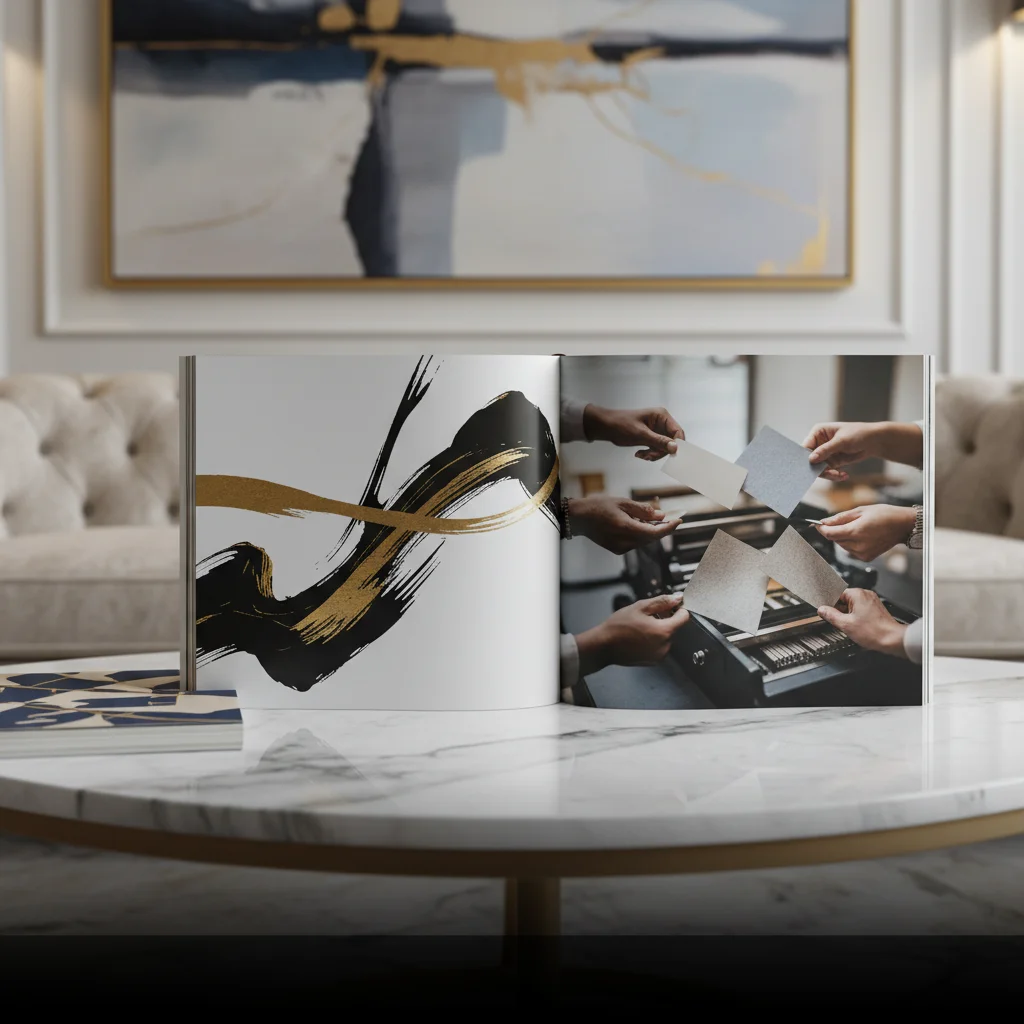
What Is Audience Retention Print Marketing?
Audience retention print marketing is the strategic use of high-quality printed materials to maintain ongoing engagement with an existing audience, deepen brand loyalty, and keep a company top-of-mind between purchase decisions or client interactions.
It’s distinct from acquisition marketing. Acquisition is about reaching new people. Retention is about keeping the people you already have. Print is unusually well-suited to retention because it creates a physical, recurring touchpoint that digital channels struggle to replicate [2].
Think of a brand magazine sent quarterly to your top clients. It’s not asking them to buy anything. It’s giving them something worth reading. It’s saying: we’re still here, we’re still thinking about what matters to you, and we’re worth your attention. That’s retention strategy, executed through print.
Why Retention Matters More Than Acquisition
Acquiring a new customer costs five to seven times more than retaining an existing one, according to widely cited research in customer lifecycle economics [3]. Yet most marketing budgets skew heavily toward acquisition. Print retention marketing addresses that imbalance directly.
A well-produced brand magazine does several things at once:
- Reinforces the brand’s positioning and values without a hard sell
- Gives existing clients a reason to think about and talk about the brand
- Creates a physical artifact that stays in their environment for weeks or months
- Signals investment, care, and quality in a way that an email newsletter simply cannot
As of 2026, 81% of US affluent consumers still read print publications, and ultra-affluent readers consume 22% more print titles than the average reader [4]. For brands serving high-net-worth audiences, print isn’t a legacy channel. It’s the channel where their audience is most receptive.
Print vs. Digital Retention: A Comparison
| Factor | Digital | |
|---|---|---|
| Memory recall | 2.5x higher than digital [1] | Lower due to banner blindness and scroll fatigue |
| Average time with content | Longer, slower reading pace [5] | Average 15 seconds per web page |
| Physical lifespan | Weeks to months in a home or office | Hours to days before disappearing from feeds |
| Trust perception | Higher — print signals investment and credibility | Lower — digital ads face widespread skepticism |
| Shareability | Physical sharing — passed between people | Click-based sharing — high volume, low engagement |
| Audience receptivity | Chosen, intentional reading environment | Interrupted, often unwanted exposure |
The Science Behind Print and Memory
Print produces stronger memory encoding than digital media because the physical act of handling a printed object activates multiple sensory pathways simultaneously, deepening the cognitive imprint of the content.
This isn’t opinion. Neuroscience research consistently shows that tactile engagement, the kind you get from turning a page, amplifies information retention. When you touch something, your brain assigns it greater significance. That’s why people remember what they read in a magazine more clearly than what they scrolled past on a screen [1].
Haptic Engagement and Brand Memory
The term haptic engagement refers to the sensory experience of physically interacting with an object. In print marketing, this means the weight of a magazine, the texture of coated paper, the sound of a page turning. These sensory cues aren’t incidental. They’re part of how the brain encodes the associated content and brand.
Research from the field of embodied cognition suggests that physical interaction with materials creates stronger associative memory than passive visual consumption [5]. In plain terms: reading a beautifully printed magazine makes you remember the brand behind it more vividly than seeing a banner ad.
This is why paper weight, binding quality, and typography aren’t just aesthetic choices in a premium brand magazine. They’re functional retention tools. A magazine printed on heavy, matte-coated stock feels different in the hands than a cheap newsprint publication. That difference registers in the reader’s brain and shapes how they perceive the brand.
Slower Reading, Deeper Processing
People read print more slowly than digital content. That sounds like a disadvantage. It isn’t [5]. Slower reading means more time with the content, more cognitive processing, and higher comprehension. According to research cited by MPB Online, reading printed materials boosts customer attention and information retention precisely because the pace is different from digital scanning behavior [5].
For brands with complex stories to tell, nuanced positioning, or long sales cycles, this deeper processing is exactly what they need. A client who spends twenty minutes with a brand magazine understands the company’s values, expertise, and personality in a way that a LinkedIn post simply cannot deliver.
Pro Tip: Commission your brand magazine on a heavier paper stock than feels strictly necessary. The physical weight of the publication is one of the first signals readers use to assess the quality of your brand. A magazine that feels substantial gets kept. One that feels flimsy gets recycled.
How Audience Retention Print Marketing Works in Practice
Effective audience retention print marketing follows a clear sequence: define the audience, build an editorial framework around their interests, produce content that delivers genuine value, and distribute consistently enough to create a rhythm of expectation.
The word “consistently” matters. A single magazine issue is a gesture. A regular publication is a relationship. Retention marketing works through repetition and trust-building over time, not one-off impressions [2].
Building an Editorial Spine
An editorial spine is the strategic framework that defines what a publication is about, who it’s for, and what it will and won’t cover. It’s the document that keeps every issue coherent and on-brand, even as individual stories change.
Without an editorial spine, brand magazines drift. One issue covers industry trends. The next becomes a company newsletter. The one after that reads like a product catalog. Readers notice the inconsistency, and inconsistency erodes trust. With a clear editorial spine, every issue reinforces the same brand personality, values, and positioning — and readers come to expect it.
At Rethink Publishing, we’ve found that the editorial spine is the single most important strategic decision in a magazine project. It determines everything that follows: the tone, the story selection, the visual language, the paper choice. Getting it right at the start saves significant time and cost later.
Building an effective editorial spine involves:
- Defining the publication’s core audience with precision (not “our clients” but a specific profile of who they are, what they care about, and what they read already)
- Identifying the two or three themes the magazine will consistently explore across every issue
- Establishing the editorial tone — journalistic, personal, authoritative, conversational
- Setting content ratios: how much brand content versus independent editorial, how many features versus shorter pieces
- Defining what the magazine will never cover, which is as important as what it will
Distribution Strategy for Retention
A brand magazine sent to the wrong people is wasted. Audience persona development, the process of building detailed profiles of your target readers, is foundational to effective distribution [6]. The Lenfest Institute’s work on audience personas confirms that tailored content strategies, built around specific reader profiles, consistently outperform generic broadcast approaches [6].
For retention marketing specifically, the distribution list should prioritize:
- Existing clients, especially high-value or long-term relationships
- Warm prospects who are in a long consideration cycle
- Strategic partners and referral sources
- Journalists, editors, and industry influencers who shape perception in your sector
In practice, from experience working across hospitality, architecture, law, and private aviation, the most effective distribution lists are smaller and more targeted than clients initially expect. A magazine sent to 500 precisely chosen recipients will outperform one sent to 5,000 generic addresses every time.
Key Benefits for Brands in 2026
Print marketing delivers measurable benefits for audience retention in 2026, including higher recall, longer brand exposure windows, stronger trust signals, and a physical presence in clients’ environments that digital channels cannot replicate [3].
The context matters. Digital saturation has reached a point where the average person encounters thousands of brand messages per day. Most are ignored. Print cuts through that noise not by being louder, but by being different. A physical object demands a different kind of attention [7].
Trust, Credibility, and Perceived Value
Print signals investment. When a brand produces a beautifully designed, editorially credible magazine, it communicates something that no email campaign can: this company takes quality seriously. That perception transfers directly to how clients feel about the brand’s products or services [2].
According to Brafton, people place high value on consistency and quality in brand communications, making print a significant opportunity to improve loyalty and retention [7]. The logic is straightforward: if a company invests in producing something this good, they probably invest the same care in what they actually sell.
This trust signal is particularly powerful for brands in sectors where credibility is the primary purchase driver: law firms, architecture practices, financial advisory, private healthcare, luxury hospitality. In those sectors, the quality of a brand magazine isn’t just marketing. It’s proof of capability.
Long Exposure Windows and Shareability
A digital ad lives for seconds. A brand magazine lives for months. Research consistently shows that printed materials are kept, revisited, and shared in ways that digital content isn’t [3]. A single magazine issue may be read multiple times by the same person and passed to colleagues, family members, or guests.
That extended exposure window is one of the most underappreciated advantages of audience retention print marketing. The cost of producing a magazine is spread across every reading, every sharing moment, every time it catches someone’s eye on a coffee table. The effective cost per impression, calculated honestly, is often lower than brands expect.
Key retention benefits, summarized:
- Higher memory recall versus digital alternatives [1]
- Extended brand presence in client environments (weeks to months)
- Stronger emotional connection through tactile, sensory engagement
- Credibility signals that reinforce premium brand positioning
- Physical shareability that extends reach organically
- Deeper content consumption due to slower, more intentional reading [5]
Pro Tip: Track how your print magazine is being used beyond the initial recipient. Ask clients directly whether they’ve shared it or displayed it. This qualitative data often reveals secondary audiences you hadn’t anticipated and helps justify the investment to internal stakeholders.
Common Mistakes That Undermine Print Retention
The most common mistake brands make with print retention marketing is producing a magazine that looks like a brochure with more pages. That approach wastes budget and actively damages brand perception rather than improving it.
In practice, the difference between a magazine people keep and one they discard comes down to editorial integrity. A publication that reads like genuine journalism, with real stories, independent perspectives, and content that serves the reader rather than the brand, earns a place in someone’s home. A publication that reads like a sales pitch, regardless of how beautifully it’s designed, gets recycled [8].
Treating Print as an Afterthought
One pitfall to watch for: brands that decide to “do a magazine” without a clear editorial strategy, then hand the project to their internal marketing team or a general design agency. The result is almost always the same. The content is safe, corporate, and self-promotional. The design is competent but not distinctive. The magazine arrives, gets a polite response, and is never mentioned again.
Effective audience retention print marketing requires the same editorial discipline as a professional publication. That means:
- Commissioning real writers, not repurposing press releases
- Choosing stories for reader value, not brand convenience
- Investing in original photography, not stock images
- Designing for editorial rhythm — pace, contrast, white space — not just visual decoration
- Subjecting every piece of content to the same question: would someone read this if it appeared in a magazine they paid for?
Inconsistent Cadence
A common mistake is producing one issue with great enthusiasm, then losing momentum. Retention marketing works through repetition. A single magazine creates a moment. A consistent publishing cadence creates a relationship [2].
One of our clients in the hospitality sector initially planned a single “launch issue” for a property opening. After seeing the response — guests keeping the magazine, staff referencing it in conversations, partners requesting copies — they committed to a quarterly publication schedule. Within two years, the magazine had become one of their most mentioned brand touchpoints in client feedback.
Inconsistency also sends an unintended message: that the brand’s commitment to quality is episodic rather than sustained. For premium brands, that’s a credibility problem.
Best Practices for Audience Retention Print Marketing in 2026
The most effective audience retention print marketing strategies in 2026 combine editorial-first content development, precision distribution, consistent publishing cadence, and integration with broader digital channels to maximize reach and reinforce brand messaging.
These aren’t theoretical recommendations. They reflect what actually works, based on two decades of producing magazines across hospitality, cybersecurity, architecture, law, real estate, and private aviation.
Editorial and Design Standards That Drive Retention
The physical quality of a print publication is not a luxury add-on. It’s the mechanism through which retention works. The haptic experience of a magazine, its weight, texture, and visual rhythm, directly influences how readers perceive the brand behind it [1].
Specific production decisions that drive retention:
- Paper weight: 150gsm or above for interior pages signals premium quality; covers should be heavier, typically 250-350gsm
- Binding: Perfect binding or saddle-stitching with a flat spine reads as professional; spiral binding rarely works for premium brand publications
- Typography: Considered type hierarchy, generous leading, and restrained font choices signal editorial craft
- White space: Generous margins and breathing room between elements communicate confidence and calm
- Photography: Original, high-quality photography is non-negotiable; stock images undermine credibility regardless of how good the design is
Integrating Print with Digital for Maximum Impact
Print works best as the flagship piece in a broader brand strategy, not as a standalone channel [9]. The most effective approach treats the magazine as the primary brand artifact and uses digital channels to extend its reach and lifespan.
A practical integration framework:
- Publish the magazine (physical distribution to curated list)
- Create digital excerpts from key articles for social media and email newsletters
- Film short video content behind the scenes of the editorial process
- Use magazine content as the basis for speaking topics, podcast episodes, or webinar content
- Track which magazine stories generate the most follow-up conversations and use that data to inform future issues
According to research from St. Bonaventure University, marketing analytics that connect print distribution to downstream client behavior help brands refine their retention strategies over time [10]. Knowing which clients engage most deeply with print content allows for more targeted follow-up and more relevant future issues.
Pro Tip: Include a subtle, trackable element in each print issue — a unique URL, a QR code linked to exclusive digital content, or a reader survey. This gives you real data on how your print audience engages, which stories resonate, and how print is influencing client relationships. It also helps you make the case for continued investment internally.

Sources & References
- The Premier Print Group, “The Power of Print: Tangible Marketing in the Digital Age”
- Orbit Press, “The Impact of Print Marketing on Customer Experience & Retention”
- PrintingForLess.com, “The 7 Best Retention Marketing Print Strategies”
- ACS Media Kit, “7 Reasons Why Print Media is Here to Stay”
- MPB Online, “How Print Marketing Enhances Customer Engagement”
- Lenfest Institute, “Beyond Print Toolkit: Audience Personas”
- Brafton, “What Is Print Marketing in the Modern Era?”
- AlphaGraphics Seattle, “Why You Need Print Marketing for Successful Campaigns”
- Pioneer Press Colorado, “Why Print Marketing Still Matters in the Digital Age”
- St. Bonaventure University, “How To Use Marketing Analytics To Attract And Retain Customers”
Frequently Asked Questions
1. What is audience retention print marketing and how does it differ from general print advertising?
Audience retention print marketing focuses specifically on maintaining and deepening relationships with an existing audience, rather than reaching new prospects. General print advertising is acquisition-focused: it tries to attract attention from people who don’t yet know the brand. Retention print marketing, by contrast, uses publications like brand magazines to keep existing clients engaged, loyal, and emotionally connected to the brand over time. The goal isn’t a conversion. It’s a sustained relationship.
2. Why does print produce better audience retention than digital marketing?
Print produces stronger retention because it engages multiple senses simultaneously. The physical act of handling a magazine, touching the paper, turning pages, experiencing the weight of a well-produced publication, activates sensory pathways that digital screens don’t reach. Neuroscience research consistently links this haptic engagement to stronger memory encoding. Readers are 2.5 times more likely to remember print content than digital equivalents. Print also creates a slower, more intentional reading environment, which means deeper processing and better comprehension of brand messages.
3. What types of companies benefit most from print retention marketing?
Brands that benefit most are those competing on trust, reputation, and long-term client relationships rather than on price or volume. That includes luxury hospitality groups, architecture and design firms, law firms, private equity and wealth management businesses, real estate developers, private aviation companies, and high-end retail brands. These are sectors where a client relationship may span years or decades, and where the quality of every brand touchpoint influences perceived credibility. A brand magazine is one of the few marketing tools that communicates quality through its physical existence alone.
4. How often should a brand publish a magazine for effective audience retention?
Quarterly is the most commonly recommended cadence for brand magazines targeting retention. It’s frequent enough to maintain a consistent presence in clients’ lives without overwhelming production teams or budgets. Some brands publish biannually, particularly for coffee table-quality publications where production values are extremely high. What matters most is consistency: a predictable publishing rhythm creates anticipation and signals sustained commitment. An irregular or one-off publication rarely delivers meaningful retention value.
5. How do you measure the ROI of audience retention print marketing?
Measuring print retention ROI requires a mix of quantitative and qualitative metrics. Trackable elements like unique URLs, QR codes, and reader surveys provide direct engagement data. Client feedback, renewal rates, referral rates, and the frequency with which the magazine is mentioned in conversations or meetings provide qualitative evidence of impact. Some brands also compare client retention rates before and after introducing a magazine program. The ROI of print is rarely immediate. It accumulates over time through stronger relationships, higher client lifetime value, and a brand reputation that commands premium pricing.
6. What makes a brand magazine effective for retention rather than just a vanity project?
The distinction comes down to editorial integrity. A magazine that genuinely serves its readers, with stories, perspectives, and information they’d seek out independently, builds trust and earns return visits. A magazine that exists primarily to promote the brand reads like a brochure, regardless of its production quality, and gets discarded. Effective retention magazines are built around a clear editorial spine, commission real writers, invest in original photography, and apply the same editorial standards as a professional publication. The brand’s presence in the magazine is felt through quality and perspective, not through overt promotion.
7. Should print marketing replace digital marketing for audience retention?
No. Print works best as the flagship piece in a broader brand strategy, not as a replacement for digital channels. The most effective retention programs use print as the primary brand artifact and digital channels to extend its reach and reinforce its messages. Magazine content can feed email newsletters, social media, and podcast episodes. Digital channels can drive awareness of the print publication and capture audience data that informs future issues. The two channels reinforce each other when used with intention.
Why Print Retention Is a Long-Term Brand Investment
Audience retention print marketing works because it respects the reader’s time and intelligence. A well-produced brand magazine doesn’t interrupt. It invites. It gives clients something worth keeping, something that carries the brand’s voice into their homes and offices and stays there long after a digital campaign has faded from memory.
The brands that get the most from print retention aren’t the ones with the biggest budgets. They’re the ones that understand what print actually does: it builds trust slowly, consistently, and with a depth that no digital format has yet replicated. That’s not a nostalgic argument. It’s a strategic one.
Results may vary depending on industry, audience, and publication quality. But the pattern is consistent: brands that invest in editorially credible, beautifully produced print publications see stronger client relationships, higher retention rates, and a brand perception that commands the room.
At Rethink Publishing, we’ve spent over 20 years building exactly these kinds of publications for brands in hospitality, architecture, law, cybersecurity, and beyond. We handle every step, from editorial strategy and writing to design, print production, and delivery. If you’re considering whether a brand magazine belongs in your retention strategy, visit www.rethink-publishing.com to learn more.
Recommended Articles
Explore more from our content library: