
| Key Insight | Explanation |
|---|---|
| Editorial precision is a discipline, not a style | It means every word, image, and layout decision is made with deliberate intent, not convenience or habit. |
| It starts with an editorial spine | Before design or writing begins, a clear content strategy defines what the publication stands for and who it speaks to. |
| Print magazines built this way become keepsakes | Readers don’t discard them. They keep them, share them, and return to them, making them durable brand assets. |
| 81% of affluent US readers consume print | The audience for high-quality print is alive and engaged, particularly among decision-makers and luxury consumers. |
| Editorial precision separates magazines from brochures | A brochure sells. A precisely edited magazine informs, entertains, and builds trust over time. |
| End-to-end management is essential | Precision breaks down when production is fragmented. A single studio managing strategy through delivery protects quality at every stage. |
Editorial precision publishing is the practice of producing print or digital publications where every editorial, design, and production decision is made with deliberate intent and measurable care. It prioritizes accuracy, coherence, and aesthetic integrity over speed or volume. For brands, it’s the difference between a magazine that commands attention and one that ends up in a recycling bin.
This isn’t a niche academic concept. It’s the operating principle behind every publication that earns a place on a client’s coffee table rather than a quick glance and a discard. The methodology applies equally to scientific journals [1], brand magazines, and luxury coffee-table books, though the standards and stakes look different in each context.
This guide covers what editorial precision publishing actually means in practice, how the process works from strategy through print delivery, why it matters for brand-building, and what separates studios that do it well from those that don’t.
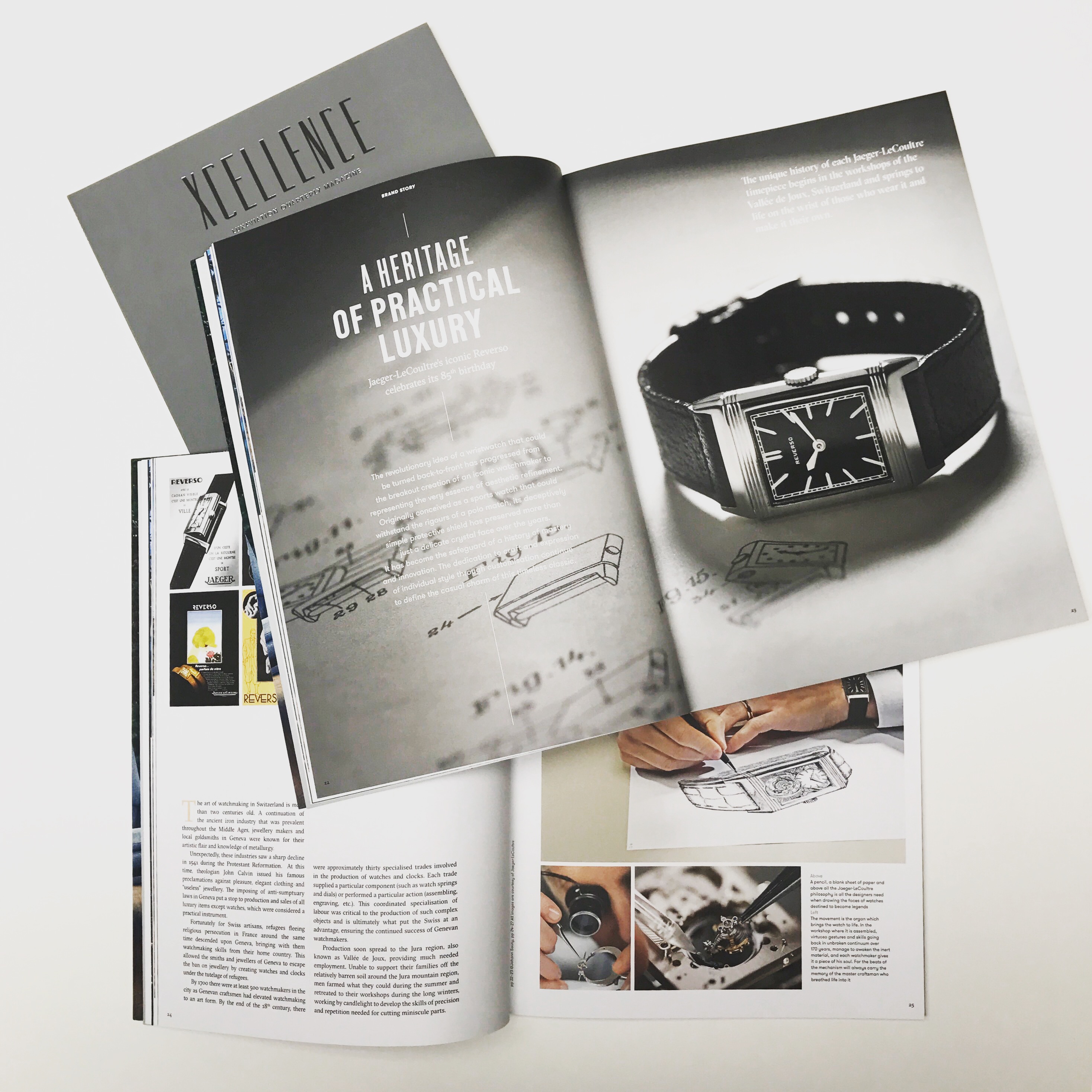
What Is Editorial Precision Publishing?
Editorial precision publishing is a disciplined approach to publication production in which content strategy, writing, image selection, typographic design, and print specifications are all aligned to a single, coherent editorial vision. No element is accidental. Every decision serves the reader and the brand simultaneously.
The Core Definition
The term “editorial precision” has been used across publishing contexts, from scientific journals to luxury brand media. As Endow Media Group defines it, editorial precision is “a disciplined process that ensures meaning, accuracy, and consistency” in the connection between content and communication [2]. In brand publishing, this discipline extends beyond factual accuracy into aesthetic and strategic coherence.
Think of it this way: a brochure is assembled. A precisely published magazine is architected. The difference is visible on the page and felt in the hand.
Why the Word “Precision” Matters
Precision implies measurement, accountability, and repeatability. In editorial terms, it means:
- Every article serves a defined editorial purpose, not just a marketing objective
- Visual hierarchy is intentional, not decorative
- Language is chosen for clarity and tone, not keyword density
- Paper weight, binding, and print finish are specified to match the reading experience
- The publication’s rhythm, the pacing of long reads versus short features, is planned in advance
This is distinct from simply hiring good writers or a competent design studio. Precision requires an overarching editorial framework, what practitioners call an editorial spine (the strategic logic that connects every section of a publication to a central theme or brand truth), that governs every downstream decision.
Research from the Ayn Rand Institute’s New Ideal publication notes that editorial precision begins with “taking ideas seriously, paying careful attention to the literal meaning of words” [3]. That principle scales directly to brand publishing: the brands whose magazines earn lasting respect are the ones that treat ideas, not just aesthetics, as the foundation.
| Publication Type | Precision Focus | Primary Audience |
|---|---|---|
| Scientific Journal | Methodological accuracy, peer review, citation integrity | Researchers, academics |
| Brand Magazine | Editorial voice, design coherence, brand alignment | Clients, prospects, partners |
| Coffee-Table Book | Photography curation, narrative arc, physical production quality | Luxury consumers, collectors |
| Corporate Newsletter | Clarity, brevity, consistent tone | Employees, stakeholders |
How Editorial Precision Publishing Works
Editorial precision publishing follows a structured sequence that begins with strategy and ends with a physical object, never the reverse. The process is linear in discipline but iterative in craft.
The Production Sequence
In practice, from experience working across hospitality, real estate, architecture, and even cybersecurity, the sequence that protects quality at every stage looks like this:
- Editorial strategy: Define the publication’s purpose, audience, tone, and thematic framework. This is the editorial spine. Everything downstream answers to it.
- Content planning: Map each article, feature, and visual spread to the editorial framework. Assign word counts, formats, and visual treatments before a single word is written.
- Writing and editing: Commission or produce copy that serves the editorial plan, not the marketing department’s wish list. Editing is substantive, not cosmetic.
- Image direction: Source or commission photography and illustration that pairs with the text intentionally. Images are selected for editorial coherence, not just visual appeal.
- Layout and design: Apply typographic hierarchy, white space, and grid structure to create a reading rhythm. Design follows editorial logic, not the other way around.
- Pre-press and print specification: Specify paper stock, binding method, color profiles, and print finish. These decisions affect how the reader experiences the physical object.
- Quality control: Review proofs against the editorial brief, not just for errors. Check that the finished piece reads and feels as intended.
- Delivery: Distribute to the intended audience in a way that reinforces the publication’s perceived value.
Pro Tip: Never start with design. Start with the editorial brief. Studios that open a design template before the editorial strategy is locked produce publications that look polished but feel hollow. The brief is the architecture; design is the interior finish.
Who Manages the Process?
The distinction between a precision-published magazine and a generic branded publication often comes down to who holds editorial authority. In a well-run process, an editorial director (or equivalent) maintains oversight from brief to delivery, ensuring that no single department, not marketing, not design, not the client’s CEO, overrides the editorial logic without a clear reason.
Publications like npj Precision Oncology from Nature apply rigorous editorial governance frameworks [4] that brand publishers can learn from: defined roles, transparent decision criteria, and a clear separation between editorial judgment and commercial interest. The same principle applies in luxury brand publishing. The moment a magazine starts being written by committee, precision erodes.
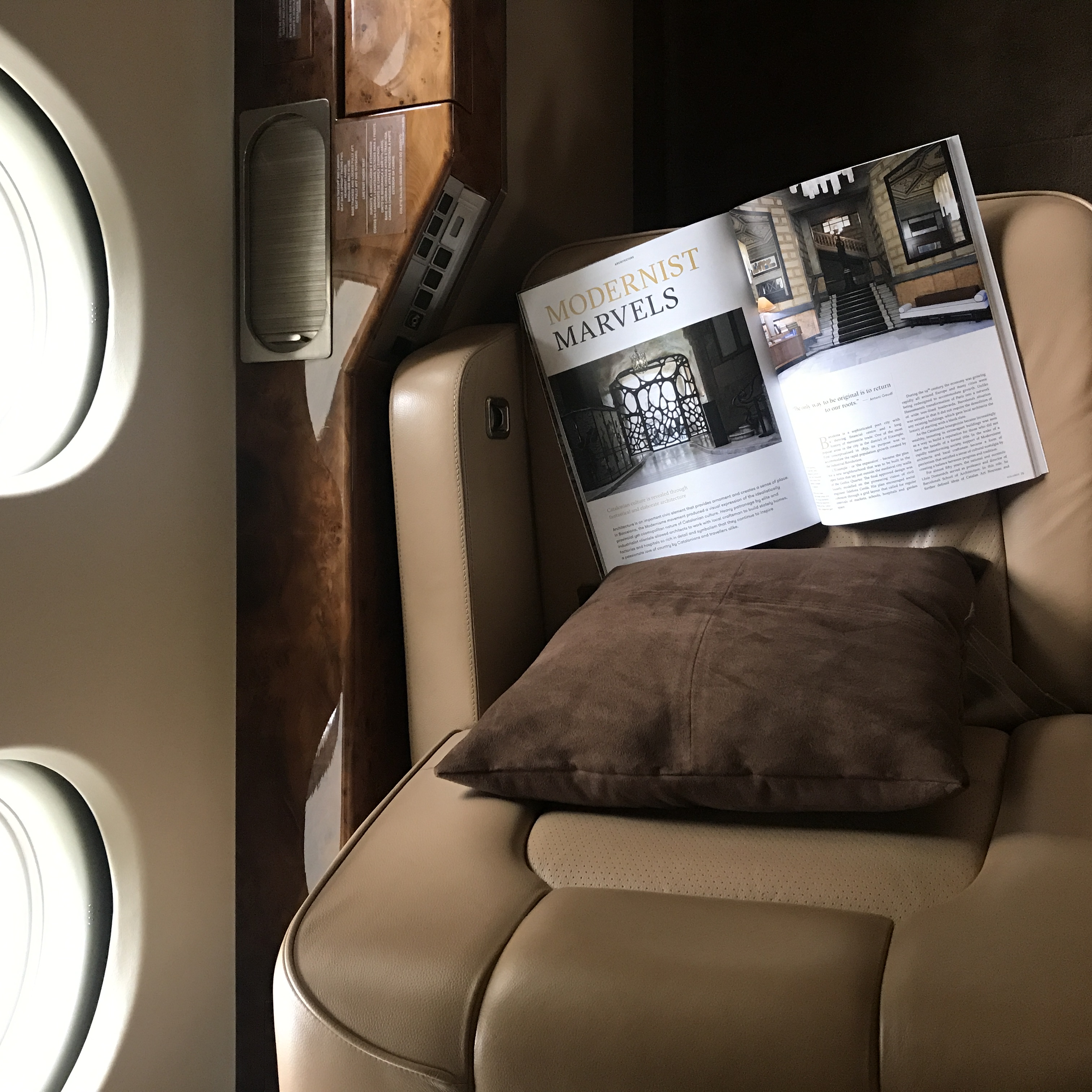
Key Benefits: Why Precision-Driven Publishing Matters
Brands that commit to editorial precision publishing produce publications that function as genuine long-term assets, not one-time marketing campaigns. The return is measured in reputation, trust, and the quality of relationships the publication creates.
Tangible Brand Benefits
- Longevity: A precisely produced magazine stays in circulation for months or years. Readers keep it, lend it, and reference it. That’s a marketing asset with a shelf life no digital campaign can match.
- Perceived authority: Editorial quality signals organizational quality. A client who receives a beautifully produced magazine associates that care and precision with the brand behind it.
- Trust-building at scale: Research consistently shows that print media earns higher trust scores than digital. According to industry data, 81% of US affluent readers consume print publications, and ultra-affluent readers consume 22% more print titles than average.
- Differentiation: Most brands compete digitally. A precision-published print magazine occupies a channel where competition is low and attention is high.
- Content that feeds other channels: A well-produced magazine generates interview transcripts, photography, data, and narratives that can be repurposed across digital platforms, social media, and presentations.
The Audience Reality
74% of millennials read print magazines, a figure that surprises executives who assume print skews older. The audience for high-quality print is not shrinking. It’s self-selecting. The readers who engage with a precision-published brand magazine are exactly the kind of readers brands most want to reach: engaged, affluent, and willing to invest time in content that rewards their attention.
Purpose and Precision Publishing Media frames this well: publications built with genuine editorial discipline “build credibility, influence, and long-term brand recognition” in ways that transactional content simply cannot [5].
Pro Tip: Measure the ROI of a brand magazine in conversations, not clicks. Track how often clients mention the magazine in meetings, how long it stays in waiting rooms, and whether it generates inbound inquiries. These are the metrics that reflect real brand equity.
At Rethink Publishing, we’ve found that the clients who gain the most from a precision-published magazine are those who treat it as a flagship brand asset, not a supplementary marketing piece. It becomes the reference point for everything else the brand produces.
Common Challenges and Mistakes to Avoid
Editorial precision publishing fails most often not because of budget constraints but because of process failures. The mistakes are predictable, and they’re avoidable.
The Most Common Pitfalls
- Starting with design: Opening a layout template before the editorial strategy is defined produces publications that look good but say nothing coherent. Design should solve an editorial problem, not create one.
- Writing by committee: When too many stakeholders contribute copy without editorial oversight, the publication loses its voice. Every article ends up sounding like a different brand.
- Treating it like a brochure: A magazine that talks only about the company’s products and services is not a magazine. It’s a brochure with more pages. Readers recognize the difference immediately and disengage.
- Underinvesting in photography: Generic stock images undermine even excellent writing. Precision publishing requires images that are selected or commissioned for each specific editorial context.
- Ignoring print specifications: Choosing paper stock, binding, and finish as afterthoughts rather than editorial decisions produces a physical object that contradicts the quality of its content.
- Producing one issue and stopping: A single issue builds awareness. A consistent publishing cadence builds trust and brand authority over time.
A Real-World Pattern We See Often
A common scenario: a marketing director at a hospitality brand commissions a magazine, hands the brief to an internal design team, and asks the PR agency to supply articles. Six weeks later, the result is technically a magazine but reads like three different brands sharing one cover. The editorial spine was never defined, so nothing coheres.
The fix isn’t more budget. It’s a clear editorial framework established before anyone opens a design file or writes a word. Precision Editing Group notes that specialist editorial oversight, matching the right editor to the right content type, is fundamental to achieving the standard a publication requires [6]. The same logic applies to brand magazines: generalist teams produce generalist results.
Pro Tip: Before briefing any writer or designer, write a one-page editorial brief that answers four questions: Who is this publication for? What do we want them to feel after reading it? What is the single most important story we’re telling this issue? What is off-limits? If you can’t answer all four, you’re not ready to produce the magazine yet.
Best Practices for Editorial Precision Publishing in 2026
As of 2026, the brands producing the most effective print magazines share a set of non-negotiable practices. These aren’t trends. They’re the durable principles that separate publications people keep from ones they discard.
Editorial Standards That Hold
- Define the editorial spine first: Every issue needs a thematic framework that connects all content. This isn’t a headline. It’s a strategic logic that governs story selection, visual direction, and tone.
- Hire for editorial judgment, not just execution: The best brand magazines are produced by people who think editorially, who ask “should we publish this?” not just “can we publish this?”
- Pair words and images intentionally: Every photograph should be chosen to complement the specific article it accompanies. This requires image direction, not just image selection.
- Respect white space: Crowded layouts signal anxiety. Generous white space signals confidence. The most authoritative publications in any sector use restraint as a design principle.
- Specify print quality as an editorial decision: A 170gsm silk-coated cover reads differently from a 350gsm uncoated one. These choices communicate before the reader has read a word.
- Maintain a consistent publishing schedule: Trust is built through reliability. Brands that publish consistently, whether quarterly or annually, build a readership that anticipates the next issue.
What the Best Studios Do Differently
The publications that earn lasting respect share one structural characteristic: a single editorial authority who oversees every decision from strategy to delivery. Fragmented production, where strategy, writing, design, and print are handled by separate vendors with no shared editorial brief, is the primary cause of quality failure in brand publishing.
Our team at Rethink Publishing recommends treating the end-to-end production model not as a convenience but as a quality requirement. When one studio manages editorial strategy, writing, design, image rights, print production, and delivery, precision is maintained across every handoff. The moment a file passes between vendors without editorial oversight, something is lost.
As of 2026, the global custom publishing market continues to grow, with premium brands increasingly recognizing that physical media’s scarcity is a strategic advantage. The editorial guidelines frameworks used by leading publications [7] consistently emphasize transparency, defined roles, and editorial independence as the foundations of credibility, principles that apply with equal force to brand publishing.
Sources & References
- AIP Publishing, “NPE – Editorial Policies | Nanotechnology and Precision Engineering,” 2026
- Endow Media Group, “Editorial Precision,” 2026
- New Ideal / Ayn Rand Institute, “Taking Ideas Seriously: Ayn Rand’s Editorial Precision,” 2026
- Nature Publishing Group, “Editorial Policies | npj Precision Oncology,” 2026
- Purpose and Precision Publishing Media, “About,” 2026
- Precision Editing Group, “Home,” 2026
- Inside Precision Medicine, “Editorial Guidelines,” 2026
- OASPA, “An Interview with Precision Nanomedicine on Joining OASPA,” 2026
Frequently Asked Questions
1. What does an editorial publisher do?
An editorial publisher oversees the entire content lifecycle of a publication, from defining the editorial strategy and commissioning writers to directing visual design, managing production, and ensuring the finished piece meets the publication’s quality standards. In brand publishing specifically, the editorial publisher also acts as the bridge between a client’s brand identity and the editorial decisions that make a magazine credible and readable, not just visually polished. They are accountable for coherence, tone, and the reader’s experience from cover to cover.
2. How much money do publishing editors make?
Publishing editor salaries vary significantly by sector, experience level, and geography. As of 2026, editorial roles in brand and custom publishing typically range from $55,000 for junior editors to $120,000 or more for senior editorial directors at established studios. Editors working in specialist fields such as luxury brand publishing, scientific journals, or high-end hospitality media often command premium rates that reflect the depth of editorial judgment required. Freelance editorial directors working on project-based engagements may charge day rates that translate to considerably higher effective annual earnings than salaried equivalents.
3. What is the difference between editorial precision publishing and standard content marketing?
Standard content marketing is optimized for volume, distribution, and measurable short-term metrics like clicks and conversions. Editorial precision publishing prioritizes depth, coherence, and lasting impact over immediate performance data. The output of content marketing is content. The output of editorial precision publishing is a publication, a physical or digital object with its own identity, voice, and longevity. The two approaches can complement each other, but they operate on different timescales and serve different strategic purposes.
4. How does editorial precision publishing apply to brand magazines specifically?
For brand magazines, editorial precision publishing means treating the publication as a genuine editorial product rather than a marketing deliverable. It requires defining a clear editorial spine before any writing or design begins, selecting stories that serve the reader’s interests rather than the brand’s sales agenda, and producing a physical object whose paper, binding, and print finish communicate quality before the first page is turned. Publications built this way earn reader trust and stay in circulation far longer than conventional branded content. Leading editorial frameworks [8] consistently show that defined governance and editorial independence are what separate credible publications from promotional materials.
5. How often should a brand publish a precision-produced magazine?
The right cadence depends on the brand’s content depth, budget, and audience expectations. Quarterly is the most common schedule for brand magazines, offering enough frequency to maintain reader engagement without compromising the editorial quality that precision publishing requires. Annual publications work well for brands whose content is inherently evergreen, such as architecture firms or luxury hospitality groups producing a single flagship issue. The key principle: publish less often and produce something exceptional rather than publish frequently and dilute the standard. Readers forgive infrequency. They don’t forgive mediocrity.
6. Can a small or mid-sized company benefit from editorial precision publishing?
Yes, and in some cases the impact is proportionally greater than it is for large enterprises. A boutique law firm or a regional architecture practice that produces a single, beautifully made magazine can shift its perceived positioning dramatically. The publication signals that the company thinks deeply, communicates with care, and invests in quality. Those signals matter enormously to the kind of clients who make decisions based on reputation and trust rather than price. Results will vary depending on distribution strategy and editorial quality, but the principle holds across company sizes.
Conclusion
Editorial precision publishing is not a production standard. It’s a philosophy. It holds that every decision made in the creation of a publication, from the editorial brief to the paper stock, either adds to or subtracts from the reader’s experience. There’s no neutral ground.
For brands that care about how they’re perceived, a precision-published magazine does something no other marketing format can. It gives your audience a reason to slow down. To pay attention. To keep something you made on their shelf for months or years. That’s not a campaign result. That’s a relationship.
The brands that understand this invest accordingly. They don’t treat a magazine as a line item in a marketing budget. They treat it as a flagship brand asset with a long return horizon and a measurable effect on the quality of conversations they have with clients, prospects, and partners.
Rethink Publishing has spent over 20 years applying editorial precision publishing to real projects across hospitality, architecture, real estate, law, and design. More than 80 magazines and 30 coffee-table books later, the conclusion is consistent: when a publication is made with genuine editorial discipline, people don’t throw it away. They keep it. And that’s the whole point.
Recommended Articles
Explore more from our content library: