
| Key Insight | Explanation |
|---|---|
| Tangibles are physical brand assets | Tangible brand marketing includes print magazines, books, packaging, and promotional objects that audiences can hold, feel, and keep. |
| Physical media creates stronger recall | Research consistently shows that print and physical materials produce higher brand recall and emotional engagement than digital equivalents. |
| Print is not dead — it’s selective | Mass-market print is declining, but premium custom print is growing. 81% of U.S. affluents read print publications as of recent data. |
| Tangible assets outlast digital content | A social media post disappears in 48 hours. A well-produced brand magazine sits on a coffee table for months and gets passed between hands. |
| Quality determines whether it stays or gets thrown away | Poor-quality tangibles damage brand perception. Premium design, paper weight, and editorial depth determine whether something becomes a keepsake. |
| Print works best as part of a broader strategy | Tangible brand marketing is most effective as the flagship piece in a brand strategy, feeding digital channels and reinforcing overall positioning. |
Tangible brand marketing is the practice of building and communicating a brand through physical, touchable assets that audiences can hold, display, and return to over time. It encompasses print magazines, coffee table books, branded packaging, direct mail, and promotional objects. Unlike digital content, tangible assets occupy real space in a person’s world — and that permanence is precisely what makes them powerful for brands that compete on trust, quality, and long-term relationship building.
This isn’t a nostalgic argument for print. It’s a strategic one. As digital channels grow noisier and attention spans contract, the physical object has become genuinely scarce. Brands that understand this are using premium tangible marketing assets to do what no banner ad or email sequence can: create a moment of calm, focused attention. This guide covers what tangible brand marketing is, how it works, the real benefits and pitfalls, and what best practice looks like as of 2026.

What Is Tangible Brand Marketing?
Tangible brand marketing is any brand-building activity that produces a physical asset — something a person can touch, hold, and keep. It stands in contrast to digital marketing, which is ephemeral by nature, and to purely experiential marketing, which leaves no lasting object behind.
A Clear Definition
According to Chron’s Small Business resource, tangible marketing is broadly defined as the use of physical promotional items to build brand recognition and customer loyalty [1]. That definition is accurate but undersells the strategic depth available. At the premium end, tangible brand marketing isn’t about stress balls with a logo. It’s about producing objects that carry genuine editorial, design, and material quality — objects that reflect the full weight of a brand’s identity.
The spectrum of tangible brand marketing assets includes:
- Custom print magazines and periodicals
- Coffee table books and monographs
- Premium direct mail pieces
- Branded packaging and unboxing experiences
- Lookbooks, annual reports, and property brochures
- Promotional objects with genuine craft value
- Event programs and conference publications
Why It Matters Now
The American Marketing Association noted in 2026 that tangible marketing works best when it is thoughtful, and that a poorly designed keepsake can undermine brand perception just as quickly as a great one can build it [2]. That’s a useful frame. The question isn’t whether to use physical marketing assets. It’s whether you’re willing to produce them at the level of quality that actually earns a place in someone’s home or office.
Research from Wigley and Nobbs in their study on tangible branding in fashion and retail design identified six distinct tangible elements of a brand that can be deliberately shaped and manipulated through physical design — including form, material, color, typography, texture, and spatial context [3]. A premium brand magazine, done well, activates all six simultaneously.
Tangible vs. Intangible Brand Assets: Understanding the Difference
Tangible brand assets are the physical, visible, and touchable expressions of a brand. Intangible brand assets are the emotional, reputational, and perceptual qualities that those physical expressions are designed to communicate.
Breaking Down the Two Categories
The distinction matters because most brand investments actually operate in both categories simultaneously. A well-produced magazine is a tangible asset — you can hold it, weigh it, feel the paper stock. But the trust, credibility, and emotional warmth it generates in the reader are intangible brand outcomes. The physical object is the vehicle for the intangible value [4].
| Asset Type | Examples | Primary Role | Longevity |
|---|---|---|---|
| Tangible | Print magazines, packaging, signage, merchandise, coffee table books | Communicate brand identity through physical experience | Months to years (if quality is high) |
| Intangible | Brand personality, tone of voice, reputation, community, trust | Create emotional connection and long-term loyalty | Ongoing, cumulative |
| Digital | Social posts, email, display ads, video content | Reach, frequency, and conversion at scale | Hours to days |
The Conference Board has explored how intangible capital models can be used to evaluate the accretive value of brand investments — a useful framework for executives who need to justify premium tangible marketing spend to a board [5]. The argument is straightforward: a brand magazine doesn’t just look good. It builds the intangible asset base that underpins long-term enterprise value.
Where the Two Intersect
The most effective tangible brand marketing assets work precisely because they make intangible qualities perceptible. A reader can’t touch a brand’s reputation. But they can feel 170gsm coated paper, notice the restraint of well-managed white space, and register the editorial confidence of a publication that doesn’t feel like it’s selling them anything. That sensory experience translates directly into a perception of quality, authority, and trust.
As IBS India’s analysis of tangible branding puts it, tangible brands cultivate a deep, distinctive connection with the consumer through a tactile sense in each interaction [6]. That connection is difficult to manufacture digitally and almost impossible to fake with low-quality print.
How Tangible Brand Marketing Works in Practice
Tangible brand marketing works by placing a physical brand expression into a person’s environment, where it competes for attention on different terms than digital media — slower, more deliberate, and with greater sensory engagement.
The Process Behind a Premium Tangible Asset
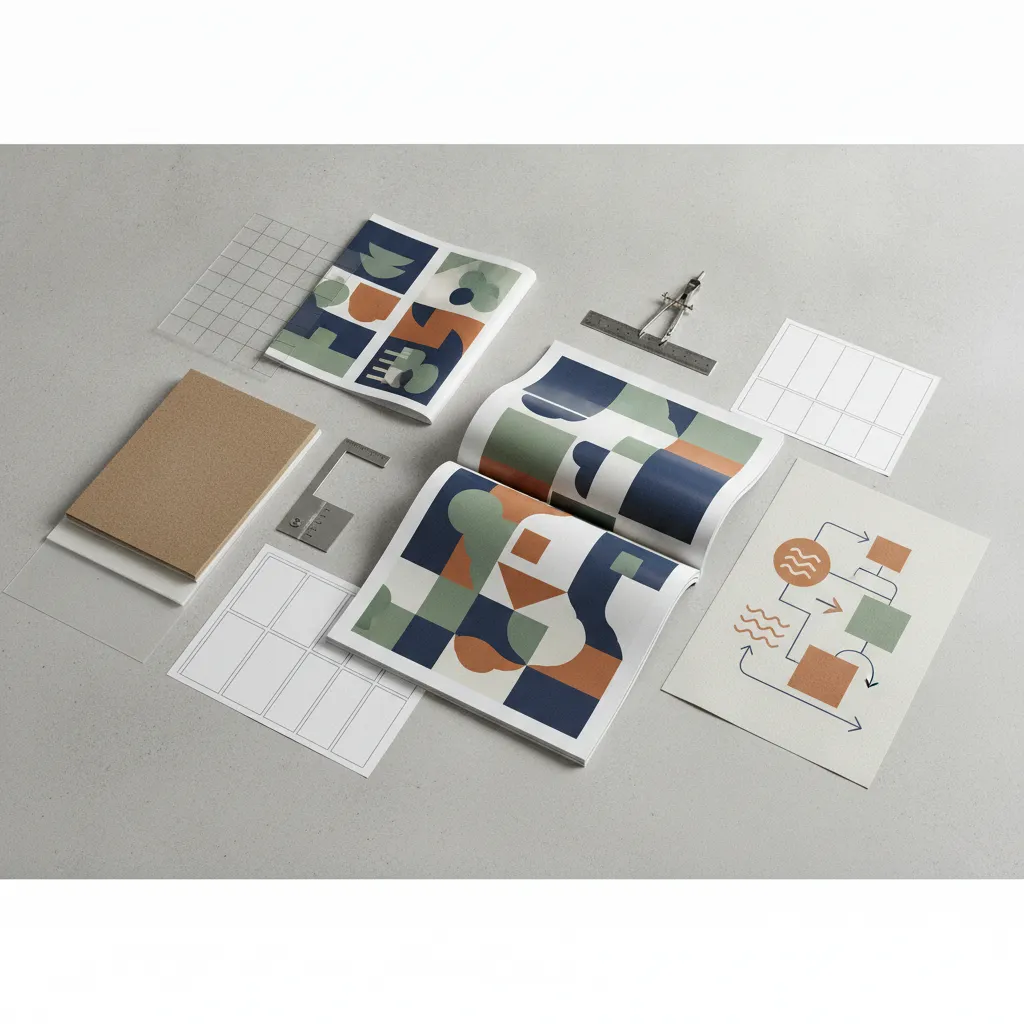
Producing a high-quality tangible brand marketing asset — particularly a print magazine or coffee table book — follows a defined sequence. Skipping steps in this sequence is where most self-produced attempts fall apart.
- Editorial strategy: Define the publication’s editorial spine before any design begins. What stories will it tell? What tone will it carry? Who is the reader, and what do you want them to feel?
- Content development: Commission or write original editorial content — features, interviews, essays, photography briefs — that reflects the brand’s voice without reading like a brochure.
- Design direction: Pair words and images with intention. Typography, grid structure, white space, and image selection are all editorial decisions, not just aesthetic ones.
- Paper and format selection: Choose paper weight, finish, binding method, and trim size based on the brand positioning and intended reader experience. These decisions affect how the object feels in the hand.
- Print production and quality control: Work with specialist printers who understand color management, registration, and the difference between acceptable and exceptional output.
- Distribution: Deliver the publication to the right audience — clients, prospects, partners, press — through channels that reinforce the brand positioning.
Pro Tip: The editorial strategy step is the one most brands skip or rush. Starting with design before you have a clear editorial spine produces a publication that looks polished but feels hollow. Define what you’re saying before you decide how it looks.
What Makes a Tangible Asset Stay in the Room
The practical test for any tangible brand marketing asset is simple: does the recipient keep it, or does it go in the recycling bin? The answer depends almost entirely on perceived quality and genuine editorial value.
Findsome & Winmore’s analysis of tangible marketing points out that physical items create a lasting impression precisely because they require physical space — they don’t disappear when you close a browser tab [7]. But that permanence is a double-edged quality. A poorly produced piece occupies space too, and it communicates the wrong things about the brand that produced it.
From experience working with brands across hospitality, architecture, real estate, and law, the publications that stay in people’s hands share three characteristics: they have a clear point of view, they respect the reader’s intelligence, and they feel genuinely premium to the touch. None of those qualities happen by accident.
Key Benefits of Tangible Brand Marketing in 2026
The core benefit of this approach is simple: physical assets create deeper, more durable brand impressions than digital content alone. The supporting evidence is consistent across multiple research streams.
Measurable Advantages Over Digital-Only Approaches
- Higher recall: Physical media consistently outperforms digital in brand recall studies. Readers engage more slowly and more deliberately with print, which deepens memory encoding.
- Longer exposure time: A magazine placed on a coffee table is seen repeatedly over weeks or months. A social post is seen once, for seconds.
- Audience quality: 81% of U.S. affluents read print publications. Ultra-affluent readers consume 22% more print titles than average. For premium brands, this is the audience that matters most.
- Credibility transfer: The production investment required for high-quality print signals seriousness and confidence. A brand that invests in a beautifully produced magazine is communicating something about its own standards.
- Pass-along value: A well-produced magazine gets shared. One of our clients in the hospitality sector regularly hears from guests who received a copy from a friend. Digital content rarely travels the same way.
- Reduced competition: Digital channels are saturated. Physical mailboxes and coffee tables are not. Premium tangible assets have less competition for attention than any digital format.
The Longevity Advantage
The longevity of a premium tangible asset is one of its most undervalued qualities. A brand magazine produced today can remain in active circulation for two or three years. It can sit in a waiting room, appear on a bookshelf in a client’s home, or be picked up again months after first reading. That extended lifespan means the cost-per-impression of a high-quality print piece often compares favorably to digital campaigns over the same period.
Pixelixe’s research on tangible branding in a digital world notes that physical brand experiences immerse consumers in a brand’s universe in ways that screen-based media structurally cannot [8]. That immersion is what turns a reader into a believer.
74% of millennials read print magazines, which directly challenges the assumption that younger audiences have abandoned physical media. The data suggests the opposite: for audiences who are digitally saturated, a beautifully produced physical publication is a relief, not an anachronism.
Pro Tip: Don’t measure the ROI of a brand magazine the same way you’d measure a paid digital campaign. The value accumulates over time through reputation, trust, and client retention — not through clicks and conversions. Use a longer measurement horizon, and track qualitative signals like client conversations and inbound referrals.
Common Mistakes That Undermine Tangible Marketing
The most common failure in the practice isn’t producing something physical. It’s producing something physical that isn’t good enough to earn a place in someone’s life.
Treating Tangibles as an Afterthought
A common mistake is treating the print piece as a lower-priority extension of a digital campaign — briefing it late, budgeting it last, and handing it to a designer who has no editorial experience. The result is a publication that looks like a brochure with more pages. It doesn’t read like a real magazine. It doesn’t feel like one either. And it gets thrown away.
The distinction between a magazine and a brochure isn’t just aesthetic. A magazine has an editorial spine (a defined point of view and content structure that gives the publication coherence and character). A brochure has a sales message. Readers can feel the difference immediately, even if they can’t articulate it.
Common Pitfalls to Avoid
- Starting with design before editorial strategy: Design without a clear editorial direction produces beautiful emptiness. The content strategy comes first.
- Underestimating paper and production quality: Paper weight, coating, and binding are not cosmetic decisions. They determine whether the object feels premium or cheap in the reader’s hands.
- Excessive brand promotion within the content: A magazine that reads like a sales deck loses credibility immediately. The best brand publications are genuinely interesting to read, independent of the brand behind them.
- Inconsistent distribution: Producing one issue and then nothing undermines the brand-building effect. Tangible brand marketing works cumulatively, not as a single event.
- Ignoring the reader’s perspective: The publication has to be genuinely useful, interesting, or beautiful to the person receiving it. If it only serves the brand’s internal agenda, it won’t be kept.
- Attempting in-house production without specialist expertise: Editorial curation, design direction, print production, and quality control are specialist skills. Assembling them internally without experience in publishing typically produces results that fall short of the investment.
One pitfall to watch for: brands that invest in photography but cut the editorial budget. The images may be beautiful, but without strong writing and a coherent editorial structure, the publication lacks the substance that makes a reader return to it.
Best Practices for Tangible Brand Marketing in 2026
Effective this practice in 2026 requires a clear editorial strategy, a commitment to production quality, and a distribution plan that gets the right object into the right hands.
Build an Editorial Foundation First
Every successful this method program starts with editorial clarity. Before any design work begins, define:
- The publication’s core purpose (what it is for, not just what it contains)
- The primary reader (not a demographic profile, but a specific person with specific interests)
- The editorial tone (how the publication sounds, and what it refuses to sound like)
- The content mix (features, interviews, photography, data, essays)
- The publication cadence (annual, biannual, or quarterly, depending on resources and strategy)
At Rethink Publishing, we’ve found that clients who arrive with a clear sense of what they want to say — even if they don’t yet know how to say it — produce significantly stronger publications than those who lead with visual references and design preferences. The editorial spine is what makes a magazine feel alive. The design is what makes it feel beautiful.
Invest in the Right Production Partners
The production quality of a this strategy asset is directly legible to the reader. They may not know the difference between 150gsm and 200gsm paper in technical terms, but they feel it. They notice when ink sits cleanly on a page versus when it looks flat or inconsistent. They register the difference between a publication that opens easily and one that fights the binding.
Pro Tip: Request printed proofs before approving a full print run. Color management on press can differ significantly from what you see on screen. A quality print partner will welcome this step. One that resists it is a red flag.
The global custom publishing market was valued at approximately $2.8 billion in 2023 and has continued to grow as premium brands reinvest in physical media as a differentiator. The brands driving that growth understand that production quality isn’t a cost to minimize. It’s the product.
this approach also works best when it’s integrated into a broader brand strategy. The magazine feeds the social channels. The coffee table book anchors the brand narrative at events and in client meetings. The print piece becomes the flagship that everything else references. It’s not a replacement for digital — it’s the piece that gives digital content something genuinely worth pointing to.
Sources & References
- Chron Small Business, “Definition of Tangible Marketing,” 2023
- American Marketing Association, “Marketing’s Most Overlooked Advantage: Brand Presence,” 2026
- Wigley & Nobbs, “Making the Marque: Tangible Branding in Fashion Product and Retail Design,” Semantic Scholar
- Medium/Upskilling, “Brand Tangibles: What Is It and Why You Should Care,” 2022
- The Conference Board, “Making Intangibles Tangible: Capital Models to Evaluate Accretive Value,” 2023
- IBS India Blog, “Tangible Branding,” 2022
- Findsome & Winmore, “Get Real: The Benefits of Tangible Marketing,” 2023
- Pixelixe, “Tangible Branding in an Increasingly Digital World,” 2023
- 1338 Tryon, “The Importance of Tangible Marketing: A 2021 Business Guide,” 2021
Frequently Asked Questions
1. What are tangibles in marketing?
Tangibles in marketing are any physical assets used to build brand recognition, communicate brand identity, or create a lasting impression with an audience. This includes print magazines, books, packaging, direct mail, branded merchandise, event programs, and promotional objects. What distinguishes effective tangibles from ineffective ones is quality: a physical asset that feels cheap undermines the brand it represents, while a premium object reinforces trust and credibility in ways digital media structurally cannot replicate.
2. What is a tangible and intangible brand?
A tangible brand refers to the physical and visible expressions of a brand — its logo, packaging, print publications, office environment, signage, and any object a person can touch or see. An intangible brand refers to the emotional and reputational qualities that those physical expressions are designed to communicate: trust, authority, personality, tone, and community. The most effective brands invest in both categories deliberately, using tangible assets as the vehicle through which intangible brand values become perceptible and memorable to the audience.
3. What is the difference between a brand magazine and a brochure?
A brochure is a sales document. A brand magazine is an editorial product. The distinction isn’t primarily visual — it’s structural and intentional. A magazine has an editorial spine: a defined point of view, a content strategy, genuine stories, and a reading experience that stands independently of any sales message. A brochure exists to move the reader toward a transaction. A magazine exists to build the kind of trust and familiarity that makes a transaction feel natural when the time comes. Readers can feel this difference immediately, even if they can’t name it.
4. Who should invest in tangible brand marketing?
the practice is most effective for brands that compete on quality, trust, and long-term relationships rather than on price or volume. Hospitality groups, real estate developers, private members’ clubs, law firms, architecture practices, and luxury consumer brands are natural candidates. The common thread is an audience that is relationship-driven and quality-sensitive, and a brand whose positioning is undermined rather than served by purely transactional digital marketing. If your goal is quick conversions, tangible marketing is not the right primary tool. If your goal is building a brand that earns a permanent place in clients’ lives, it’s one of the most effective available.
5. How does tangible brand marketing fit into a broader brand strategy?
this practice works best as the flagship piece in a broader brand strategy, not as a standalone channel. A premium print magazine, for example, generates content that can feed social media, email newsletters, and PR. It provides a credibility anchor that digital content can reference. It creates a physical touchpoint that reinforces the brand at moments when digital channels aren’t present — in a client’s home, on a waiting room table, in a meeting. The print piece doesn’t replace digital; it gives digital something genuinely worth amplifying.
6. What makes a tangible brand marketing asset worth keeping?
Three qualities determine whether a this method asset stays in someone’s environment or gets discarded: genuine editorial value (it contains content the reader actually wants to read), production quality (it feels premium in the hand, with appropriate paper weight, binding, and print quality), and a clear point of view (it has a personality and a perspective, not just information). A publication that scores well on all three becomes a keepsake. One that fails on any of them gets recycled, regardless of how much was spent producing it.
The Case for Going Tangible
this strategy isn’t a reaction against digital. It’s a recognition that physical objects operate on different terms — slower, more sensory, more durable. In a media environment defined by speed and volume, that difference is a genuine strategic advantage for brands that are willing to use it well.
The brands that do this best don’t produce print because it’s traditional. They produce it because they understand that a beautifully made magazine sitting on a client’s coffee table is doing something no algorithm can replicate. It’s keeping the brand present, credible, and worth returning to — month after month, long after the campaign that funded it has ended.
At Rethink Publishing, we’ve spent over 20 years helping brands across hospitality, architecture, real estate, law, and design produce publications that earn that kind of staying power. The process is editorial first, design second, print third — and it’s fully managed from strategy through delivery. If you’re considering what a premium this approach asset could do for your brand, the place to start is understanding what you want to say, and to whom. Everything else follows from that.
Recommended Articles
Explore more from our content library: