
| Key Insight | Explanation |
|---|---|
| Touch drives memory | Physical print materials engage haptic processing in the brain, producing stronger recall than screen-based content alone. |
| Print earns undivided attention | A printed magazine commands minutes of focused reading. A digital ad earns seconds, if that. |
| Scarcity is now strategic | As digital saturation grows, a beautifully produced print piece stands out precisely because almost no one does it well anymore. |
| 70% higher brand recall | Tactile marketing materials generate significantly higher brand recall than digital-only campaigns, according to industry data. |
| A magazine is not a brochure | Editorial-first print publications function as brand artifacts, not promotional pamphlets. People keep them. They share them. |
| Print is a long-term investment | Unlike digital campaigns that vanish, a high-end printed magazine stays in homes and offices for months, maintaining brand presence without additional spend. |
A tactile marketing print strategy is the deliberate use of physical, printed materials to create sensory brand experiences that digital channels cannot replicate. It works because touch activates a distinct neurological response, one that deepens emotional connection, improves memory retention, and builds trust in ways a screen-based impression simply doesn’t reach. This article explains how the strategy works, why it produces measurable results, and what separates a print piece that gets kept from one that gets discarded.
What Is Tactile Marketing?
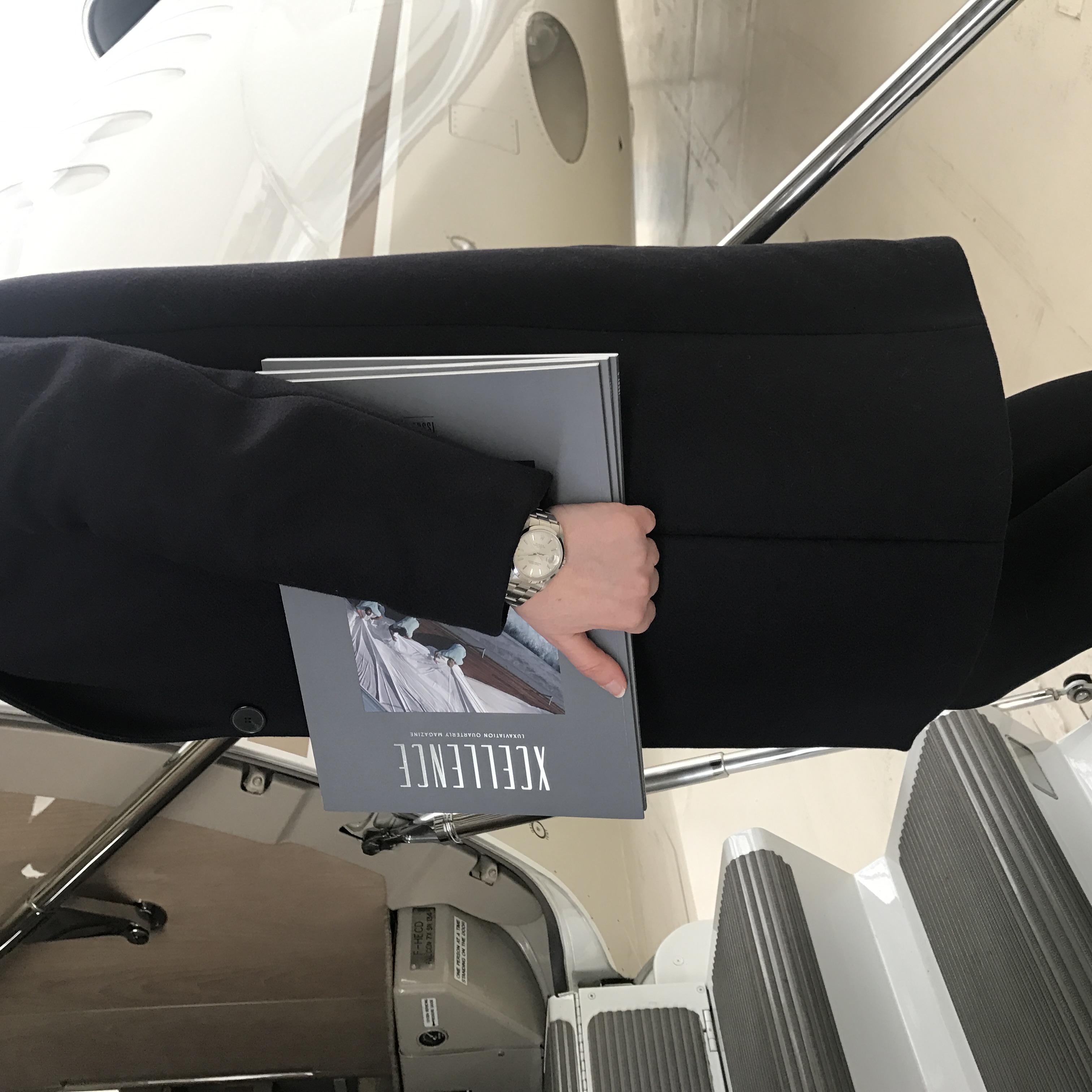
Tactile marketing is the practice of engaging a consumer’s sense of touch through physical brand materials to strengthen emotional connection, improve recall, and build credibility. It goes well beyond “old school” brochures and postcards. At its most sophisticated, tactile marketing is a deliberate strategy that uses the physical properties of a printed object — its weight, texture, paper stock, finish, and format — to communicate brand values before a single word is read.
The Neuroscience Behind Touch and Brand Memory
Research into haptic cognition consistently shows that physical interaction with an object activates deeper memory encoding than visual-only stimuli. A 2015 study published in the Journal of Consumer Psychology found that the physical act of holding an object increases a person’s sense of psychological ownership and positive valuation of that object. Applied to brand materials, this means a well-produced magazine doesn’t just inform. It bonds.
Industry data supports this at scale. According to research cited by Midwest Label Supply, tactile marketing materials generate 70% higher brand recall and two to three times better response rates than digital-only campaigns [1]. That’s not a marginal lift. That’s a structural advantage.
The University of Maryland’s Communications and Public Affairs department notes the Marketing Rule of 7: a potential customer needs to encounter a brand’s message at least seven times before making a purchase decision [2]. A printed magazine, sitting on a coffee table for months, quietly delivers those impressions on repeat, without a single additional ad spend.
Tactile Marketing vs. General Print Marketing
Not all print is tactile marketing. A generic flyer printed on thin paper and dropped in a mailbox is print. A tactile marketing print strategy is something more considered. It selects materials, formats, and finishes with intention. The goal isn’t to distribute information. It’s to create an object worth keeping.
- Paper weight and texture: Heavier stocks signal quality before the content is even read
- Finishes: Soft-touch lamination, spot UV, embossing, and foiling each communicate a different brand register
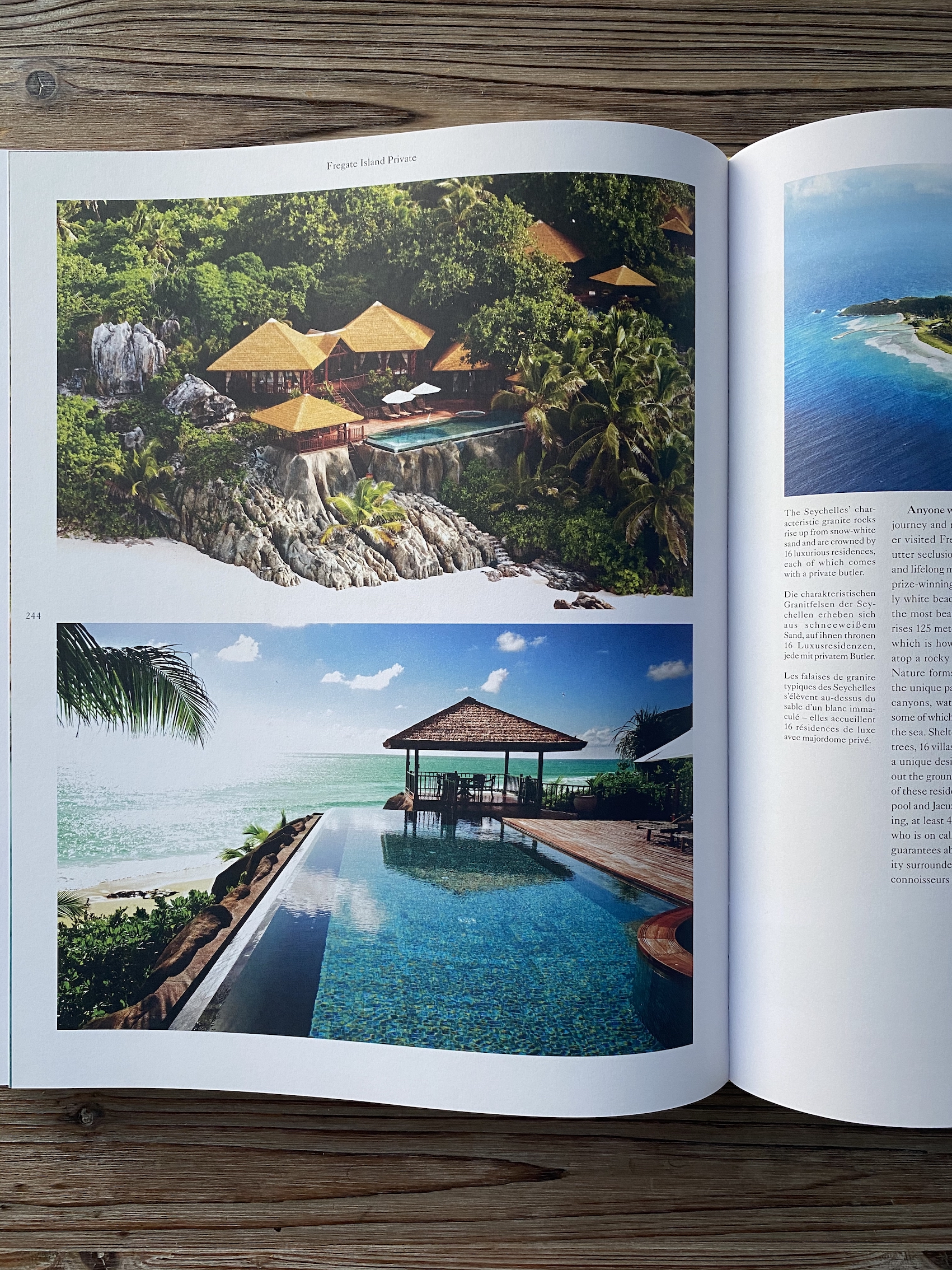
- Format and binding: A perfect-bound magazine reads differently from a saddle-stitched newsletter, in every sense of the word
- Editorial depth: Content that earns attention rather than demanding it separates a brand publication from a brochure
According to Amsive, tactile marketing is best understood as “the connection between a marketable content strategy and a consumer’s need to physically interact with branding materials” [3]. That framing matters. Strategy comes first. The physical object is the delivery mechanism.
How a Tactile Marketing Print Strategy Works
A tactile marketing print strategy works by designing physical brand materials that engage multiple senses simultaneously, creating stronger neural pathways for brand memory than single-sense digital exposure can achieve.
The Editorial Spine: Where Strategy Begins
The most common mistake brands make is treating print as a design project rather than an editorial one. A tactile marketing print strategy starts with a clear editorial spine: a defined point of view, a coherent narrative thread, and a reason for the reader to care. Without that foundation, even the most beautiful paper stock won’t save a publication that has nothing meaningful to say.
At Rethink Publishing, we’ve found that the brands who get the most from print are the ones who treat their magazine the way a serious publisher would. They define what they stand for, who they’re speaking to, and what they want that person to feel after reading. The design and production follow from those decisions. They don’t precede them.
The process, in practice, follows a structured sequence:
- Brand audit and editorial brief: Define the brand’s voice, values, and the audience’s genuine interests
- Content proposal and flatplan: Map every article, image, and spread before production begins
- Writing and visual sourcing: Commission or develop editorial content paired with intentional imagery
- Design and layout: Build spreads that balance reading rhythm with visual impact
- Paper and finish selection: Choose stocks and finishes that physically express the brand’s positioning
- Proofing and colour management: Softproofing and print colour profiles ensure the printed result matches the intended design
- Print production and delivery: Full preflight, press proofs, and worldwide distribution
This is not a fast process. A well-produced issue typically runs on a cycle of around 17 weeks. That timeline isn’t inefficiency. It’s what precision looks like.
How Print and Digital Work Together
A tactile print strategy doesn’t exist in isolation from digital. The most effective brand publishers use print to anchor the relationship and digital to extend it. A magazine drives readers to a website, a private event, or a conversation. Digital content creates anticipation for the next print issue. According to Mailpro, combining print with digital initiatives creates a synergistic approach that strengthens overall marketing effectiveness [4].
MIT Sloan Management Review notes that direct mail, one component of tactile marketing, is reemerging as a profitable channel precisely because digital ad clutter fatigues consumers [5]. Print cuts through not by competing with digital, but by offering something digital structurally cannot: a physical object in the real world.
Key Benefits: Why Print Outperforms the Scroll
The core benefit of a tactile marketing print strategy is durable brand presence. A well-produced magazine stays in a client’s home or office for months, delivering repeated brand impressions without additional cost or algorithmic interference.
Measurable Advantages Over Digital-Only Marketing
The case for print isn’t sentimental. It’s measurable. Here’s how a thoughtfully executed tactile print strategy performs against common digital benchmarks:
| Metric | Digital Marketing | Tactile Print Strategy |
|---|---|---|
| Average attention time | 1.7 seconds (display ads) | 20+ minutes (magazines) |
| Brand recall lift | Baseline | Up to 70% higher [1] |
| Lifespan of impression | Hours to days | Months to years |
| Algorithm dependency | High | None |
| Pass-along readership | Low (link sharing) | High (physical sharing) |
| Trust signal | Moderate (ad skepticism) | High (perceived credibility) |
As Dynagraphic Printing notes, in an increasingly anonymous digital environment, tactile marketing adds an element of trust and credibility that high-quality printed materials uniquely convey [6]. A beautifully produced object signals a serious, confident company. People extend that feeling to the brand itself.
The Owned Channel Advantage
One underappreciated benefit of a tactile print strategy is channel ownership. No algorithm decides who sees your magazine. No platform changes its distribution rules overnight. No ad auction drives up your cost per impression. You control the story, the distribution, and the experience entirely.
This matters more in 2026 than it did five years ago. Platform volatility, rising digital ad costs, and consumer ad fatigue have made owned channels genuinely valuable. A magazine delivered directly to your top 500 clients is a guaranteed impression, not a probabilistic one.
Pro Tip: Think of your print magazine as a media property, not a marketing deliverable. Assign it an editorial calendar, a readership profile, and a distribution strategy the same way a publisher would. That shift in thinking changes the quality of every decision that follows.
Common Mistakes That Undermine Print Strategy
The most damaging mistake in tactile print marketing is producing a beautiful object with nothing meaningful inside it. Great paper and expert design can’t rescue content that reads like a company newsletter written by committee.
Starting With Design Instead of Editorial
In practice, brands often brief a designer before they’ve defined what they want to say. The result looks polished but feels hollow. Readers can tell in seconds whether a publication was made with genuine editorial intent or assembled to fill space between product photos.
A common pitfall: treating the magazine as a brochure with longer articles. A brochure sells. A magazine earns attention by being worth someone’s time. Those are fundamentally different editorial missions, and conflating them produces something that achieves neither.
- Mistake: Filling pages with product descriptions and company news
- Fix: Develop editorial content your audience would seek out independently, then weave the brand in with intention
- Mistake: Choosing paper and finishes based on cost rather than brand fit
- Fix: Select materials that physically express your brand’s positioning, even if it means producing fewer copies
- Mistake: Distributing to everyone rather than the right people
- Fix: A focused distribution of 500 high-value recipients outperforms a scatter approach of 5,000
- Mistake: Treating print as a one-off campaign
- Fix: Commit to a publishing cadence. Brand recall compounds with repeated, consistent issues
Underestimating the Production Complexity
Print production is not a simplified version of digital production. Colour management alone, including softproofing, print colour profiles, and press checks, requires specialist knowledge that most in-house marketing teams don’t have. Brands that attempt to self-produce often end up with a result that looks “corporate” rather than editorial, precisely the outcome they were trying to avoid.
From experience, the brands that struggle most are those that underestimate the lead time required. Rushing a print production cycle compresses the proofing rounds that catch errors, the design refinements that elevate a spread, and the colour work that makes the printed result match the intended design. The Ultimate Print Marketing Guide from Printing Center USA reinforces that careful pre-press preparation is non-negotiable for premium results [7].
Pro Tip: Budget your timeline before you budget your production costs. A compressed schedule is the single most reliable predictor of a disappointing result. If you can’t give the process the time it needs, wait until you can.
Best Practices for a Tactile Print Strategy in 2026
The most effective tactile marketing print strategy in 2026 combines editorial depth, deliberate material selection, and a focused distribution model that puts the right object in exactly the right hands.
Build Around an Editorial Spine, Not a Brand Message
The distinction matters. A brand message is what you want to say about yourself. An editorial spine is what your audience genuinely wants to read, structured so your brand’s values are evident without being stated. The best brand magazines feel like independent publications that happen to be funded by a company with excellent taste.
Practical steps to establish an editorial spine:
- Define the one idea or tension your brand sits at the center of (craft vs. scale, tradition vs. innovation, local vs. global)
- Map the topics, voices, and visual worlds that naturally orbit that idea
- Assign each section of the magazine a distinct editorial purpose: long-form feature, interview, visual essay, short column
- Ensure every piece of content earns its place by being genuinely interesting, not just brand-compliant
According to Quad’s research on the tactile renaissance, the print materials that win are those designed around specific audience needs rather than general brand awareness goals [8]. Specificity is what makes a publication feel personal rather than promotional.
Select Materials That Do Strategic Work
Every material choice in a print publication communicates something about the brand. As of 2026, the range of available finishes, stocks, and binding options is wider than ever. The question isn’t what’s possible. It’s what’s right for this brand and this audience.
- Uncoated stocks: Signal authenticity, craft, and editorial seriousness. Common in architecture and design publications
- Coated gloss stocks: Maximize photographic impact. Strong in hospitality and real estate
- Soft-touch lamination: Creates an immediate tactile premium signal on the cover. High perceived value
- Spot UV and embossing: Add dimension and reinforce brand marks without additional color
- Heavyweight cover stocks: Communicate permanence. A heavy cover tells the reader this is worth keeping before they’ve opened it
The Graphic Village analysis of tactile print confirms that paper texture and weight are among the most influential factors in a reader’s initial perception of print quality [9]. That first touch sets the expectation for everything that follows.
Pro Tip: Request paper dummies before finalizing your stock selection. A dummy is a blank mock-up of your magazine in the actual paper and binding you’re considering. Holding it tells you more than any specification sheet.
Our team at Rethink Publishing recommends treating the cover as the most important editorial and material decision in the entire publication. It’s the first touch, the first read, and the primary reason a reader decides whether to keep the magazine or set it aside. Invest accordingly.
Sources & References
- Midwest Label Supply, “Tactile Marketing Automation,” 2026
- University of Maryland, “Marketing Rule of 7,” Communications and Public Affairs
- Amsive, “What Is Tactile Marketing?,” 2026
- Mailpro, “Print Marketing Strategies: Effective Techniques to Boost Your Brand,” 2026
- MIT Sloan Management Review, “How Direct Mail Delivers in the Age of Digital Marketing,” 2026
- Dynagraphic Printing, “The Importance of Tactile Marketing in Modern Strategies,” 2026
- Printing Center USA, “The Ultimate Print Marketing Guide,” 2026
- Quad, “The Tactile Renaissance: Print Marketing Solutions That Win,” 2026
- Graphic Village, “Print Marketing Benefits Over Digital,” 2026
- Tactive, “What Is Tactile Marketing?,” 2026
- Mailomg, “Unlocking Consumer Engagement with Tactile Print Marketing,” 2025
- Mailpro, “Small Business Print Marketing: Effective Strategies for Growth,” 2026
Frequently Asked Questions
1. What is tactile marketing?
Tactile marketing is the strategic use of physical materials to engage a consumer’s sense of touch as part of a broader brand communication effort. It encompasses printed publications, direct mail, branded merchandise, and premium packaging, all selected and designed to create a sensory brand experience that deepens emotional connection and improves recall. Unlike digital marketing, which is consumed visually on a screen, tactile marketing creates a physical interaction with the brand that activates haptic memory encoding, producing stronger and longer-lasting brand associations. A well-executed tactile marketing print strategy goes beyond distribution; it uses material quality, editorial depth, and design craft to make the brand feel credible, considered, and worth the reader’s time [10].
2. What are examples of tactile marketing in practice?
The strongest examples of tactile marketing are those where the physical object itself communicates brand values before the content is read. A cybersecurity firm that produces a quarterly print magazine for its enterprise clients signals seriousness, depth, and staying power. A real estate developer that delivers a coffee-table book to prospective buyers creates a physical artifact that remains in the home long after the sales conversation. A private members’ club that mails a beautifully produced seasonal publication to its members reinforces belonging and exclusivity with every issue. In each case, the material quality, the editorial content, and the distribution method are all strategic decisions, not production afterthoughts. That’s what separates a tactile marketing print strategy from a generic print run [11].
3. How does tactile marketing improve brand recall?
Tactile marketing improves brand recall through a combination of haptic engagement, reduced cognitive competition, and extended exposure time. When a person physically handles a printed object, the brain processes it through multiple sensory channels simultaneously, creating a richer and more durable memory trace than visual-only digital content. Print also operates in an environment with far less competing stimulation than a screen, which means the content receives more focused attention. Industry research indicates tactile materials generate up to 70% higher brand recall than digital-only campaigns [1]. The University of Maryland’s Rule of 7 framework further supports this: a magazine sitting on a coffee table delivers repeated brand impressions over weeks or months, compounding recognition without additional investment [2].
4. Is print marketing still effective in 2026?
Yes, and the argument for it has strengthened as digital saturation has increased. As of 2026, the global custom publishing market continues to grow, driven in part by premium brands reinvesting in print precisely because digital attention is so fragmented and expensive to capture. MIT Sloan Management Review notes that direct mail is reemerging as a profitable channel as digital ad fatigue grows among consumers [5]. For brands operating in high-trust, relationship-driven categories such as hospitality, real estate, law, architecture, and enterprise technology, print delivers something digital structurally cannot: a physical presence in the client’s world that persists without ongoing spend. The question in 2026 isn’t whether print works. It’s whether your brand is producing print that’s worth keeping.
5. How do you build a tactile marketing print strategy from scratch?
Start with editorial intent, not design. Define what your brand genuinely stands for, who you’re speaking to, and what you want that person to feel and know after engaging with the publication. From that foundation, develop a content plan that earns your audience’s attention rather than demanding it. Then make material selections, paper stock, finish, binding, and format, that physically express your brand’s positioning. Establish a distribution model that prioritizes the right recipients over the largest possible volume. Finally, commit to a cadence. A single issue is a gesture. A consistent publishing schedule is a strategy. For brands without in-house editorial and production expertise, working with a specialist studio that manages the process end to end is the most reliable path to a result that actually reflects the brand’s quality [12].
6. What is the difference between a brand magazine and a brochure?
A brochure sells. A brand magazine earns attention. A brochure is organized around what the company wants to communicate about its products or services. A magazine is organized around what the reader genuinely wants to read, with the brand’s values and expertise woven through the editorial content rather than stated outright. The distinction is felt immediately. People don’t keep brochures. They file them, recycle them, or leave them behind. A well-produced brand magazine stays on a desk or a coffee table for months. It gets passed to colleagues. It comes up in conversations. That difference in behavior is the entire commercial case for investing in editorial quality over promotional messaging. A tactile marketing print strategy built around a real magazine, not a dressed-up brochure, produces that outcome consistently.
This article covers the core principles, benefits, and practical mechanics of tactile marketing in a print context. It does not address digital-physical integration platforms, programmatic direct mail, or retail point-of-sale tactile marketing, which are adjacent topics with their own strategic considerations.
Conclusion
A tactile marketing print strategy is one of the few brand investments that compounds over time without additional spend. The magazine sits in the room. The brand stays present. The relationship deepens quietly, issue by issue.
The brands that execute this well share a few things in common. They start with editorial intent. They select materials that physically express their positioning. They distribute with precision rather than volume. And they commit to a cadence long enough for the strategy to work.
Honestly? Not every company needs a print magazine. If you’re chasing quick conversions, there are faster tools. But if you’re building a brand that people trust, remember, and recommend, a beautifully produced publication does something no digital campaign can replicate. It gives your audience a reason to slow down and actually pay attention.
At Rethink Publishing, we’ve spent over 20 years helping brands across hospitality, real estate, architecture, private clubs, cybersecurity, and law make that case in print. The ones who get the most from it are the ones who understand that brand building takes time, and who are ready to invest in something with real weight. If that’s where you are, the conversation is worth having. Visit rethink-publishing.com to see what a tactile marketing print strategy looks like when it’s done properly.
Recommended Articles
Explore more from our content library: