
| Key Insight | Explanation |
|---|---|
| Keepsakes outlast campaigns | A well-made print piece stays in homes and offices for months or years, keeping a brand present long after any digital ad would have disappeared. |
| Quality signals trust | People extend the feeling of a beautifully crafted object to the brand itself. A cheap giveaway communicates the opposite. |
| Print is an owned channel | No algorithm decides who sees a magazine or coffee-table book. The brand controls the story and the audience entirely. |
| Not every brand should do this | Keepsake marketing materials reward brands investing in long-term perception, not quick conversions. Knowing the difference matters. |
| Editorial spine is non-negotiable | A publication without a clear editorial strategy reads like a brochure. An editorial spine is what makes a magazine worth keeping. |
| The best keepsakes are useful and beautiful | Items people display, read, or reference repeatedly multiply brand impressions without additional spend. |
Keepsake marketing materials are physical brand assets designed to be retained, displayed, and returned to over time rather than discarded after a single use. They work because they earn sustained attention that no digital format can replicate. A well-crafted print magazine, a design-led coffee-table book, or a beautifully produced branded publication stays in someone’s home or office for months, sometimes years, keeping your brand present without paying for another impression.
Most marketing disappears. A social post lives for 48 hours. An email gets archived. A digital ad is gone the moment the budget stops. Keepsake marketing materials operate on a completely different timeline. They sit on coffee tables, reception desks, and bookshelves. They get picked up again. They get passed to a colleague. They come up in conversations months after delivery.
This article covers what separates a true keepsake from a forgettable giveaway, why the format matters more than ever in 2026, which types of materials actually earn a permanent place in people’s spaces, and how to avoid the common mistakes that turn a premium investment into a recycling bin addition.
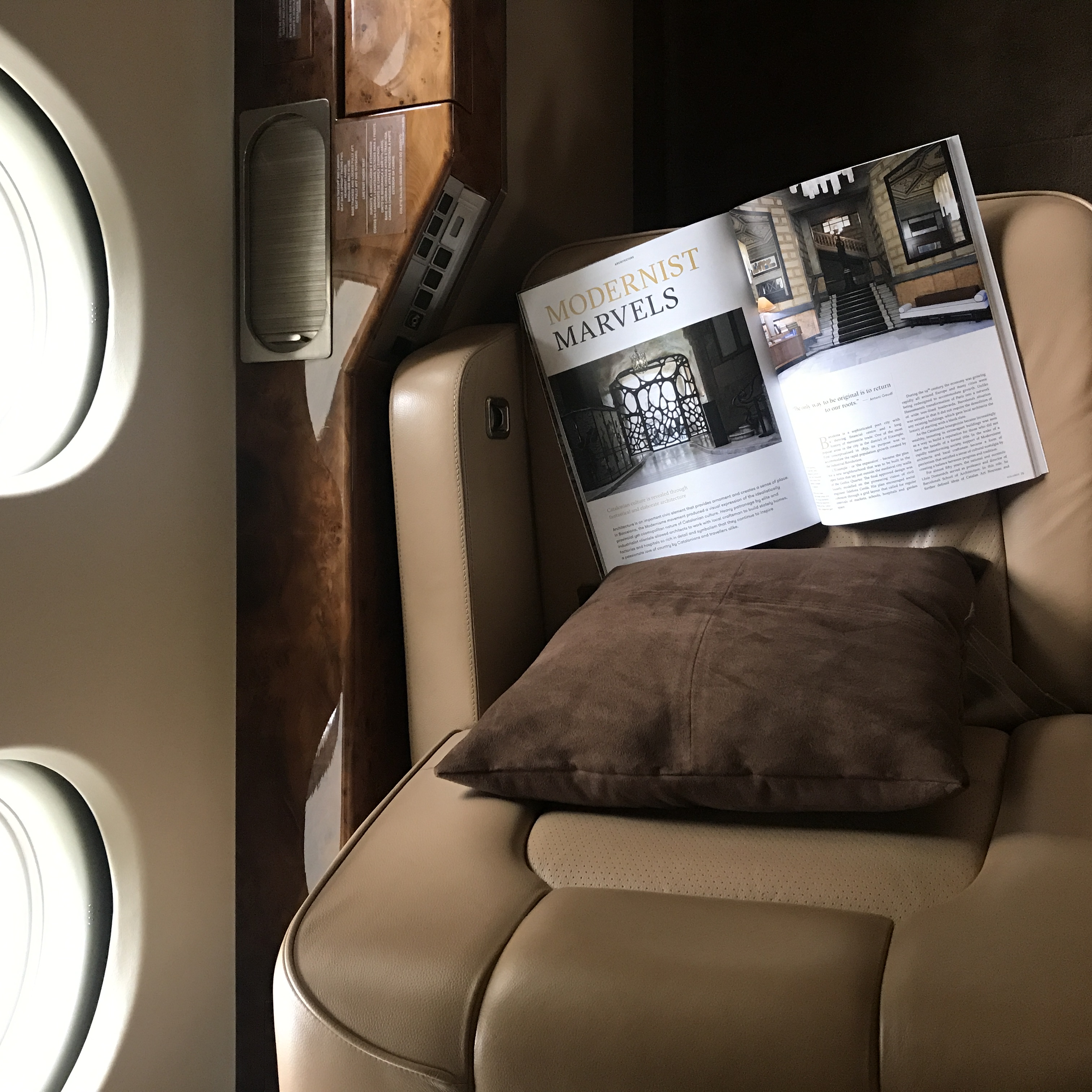
What Are Keepsake Marketing Materials?
Keepsake marketing materials are branded physical items crafted with enough quality, beauty, or utility that recipients choose to keep them long after the initial encounter. Unlike standard promotional products, they are not disposable. They are designed to be retained.
The Definition That Actually Matters
The U.S. General Services Administration draws a useful distinction between promotional items (used in marketing strategy) and memento items (given as awards or gifts) [1]. Keepsake marketing materials sit at the intersection of both. They carry a brand message and they are worth keeping. That combination is rare, and it’s exactly what makes them effective.
A branded pen is a promotional item. A beautifully designed brand magazine, a hardcover coffee-table book, or a curated editorial publication is a keepsake. The difference isn’t just aesthetic. It’s functional. One gets used and forgotten. The other becomes part of someone’s environment.
Why the Category Is Growing in 2026
Digital saturation is real. As of 2026, the average professional encounters hundreds of branded digital touchpoints daily, and attention has become genuinely scarce. Physical marketing is experiencing a measurable resurgence among premium brands precisely because scarcity is now a strategic advantage. The global custom publishing market was valued at approximately $2.8 billion in recent years, with luxury and B2B brands leading reinvestment in print [2].
Brands that understand this aren’t abandoning digital. They’re adding a physical layer that digital simply cannot replicate. A magazine on a coffee table is not competing with a LinkedIn post. It’s operating in a completely different register of attention.
Pro Tip: Before commissioning any keepsake marketing material, ask one honest question: would you personally keep this in your home or office? If the answer is no, the design and quality aren’t there yet.
Why Keepsake Marketing Materials Work
Keepsake marketing materials work because they earn sustained, undivided attention in a physical environment where no competing notification can interrupt the experience. That’s a claim no digital format can make honestly.
The Psychology of Physical Objects
Research in consumer psychology consistently shows that physical objects create stronger emotional associations than digital equivalents. Holding something beautiful, feeling the weight of a well-printed page, noticing the quality of the paper stock: these are sensory experiences that register differently in the brain than scrolling a screen.
Gretchen Rubin, whose work on habits and human behavior has been widely cited, notes that physical objects we choose to keep carry meaning precisely because we chose to keep them [3]. That choice is the mechanism. When someone keeps your brand’s magazine on their desk, they’ve made an active decision to keep your brand in their space. That’s a level of opt-in that no email subscription can match.
The Compounding Value of Repeated Impressions
A keepsake generates brand impressions every time someone picks it up, every time a visitor notices it, every time it’s passed to a colleague. Those impressions cost nothing after the initial production. Compare that to digital advertising, where every impression requires ongoing spend.
- A magazine left in a reception area reaches every visitor for months
- A coffee-table book on a client’s desk is seen by everyone who enters that office
- A beautifully produced annual publication gets referenced in meetings long after delivery
- Keepsakes get shared physically, extending reach without additional budget
Industry analysts suggest that high-quality branded print materials generate significantly higher recall rates than digital equivalents, with some studies indicating print recall rates exceeding 70% compared to digital’s 44% [4]. Results vary by category and audience, but the directional evidence is consistent: physical sticks.
Types of Keepsake Marketing Materials in 2026
The most effective keepsake marketing materials share three qualities: they are beautiful enough to display, useful or interesting enough to return to, and clearly connected to the brand’s identity without feeling like advertising.
High-Impact Print Publications
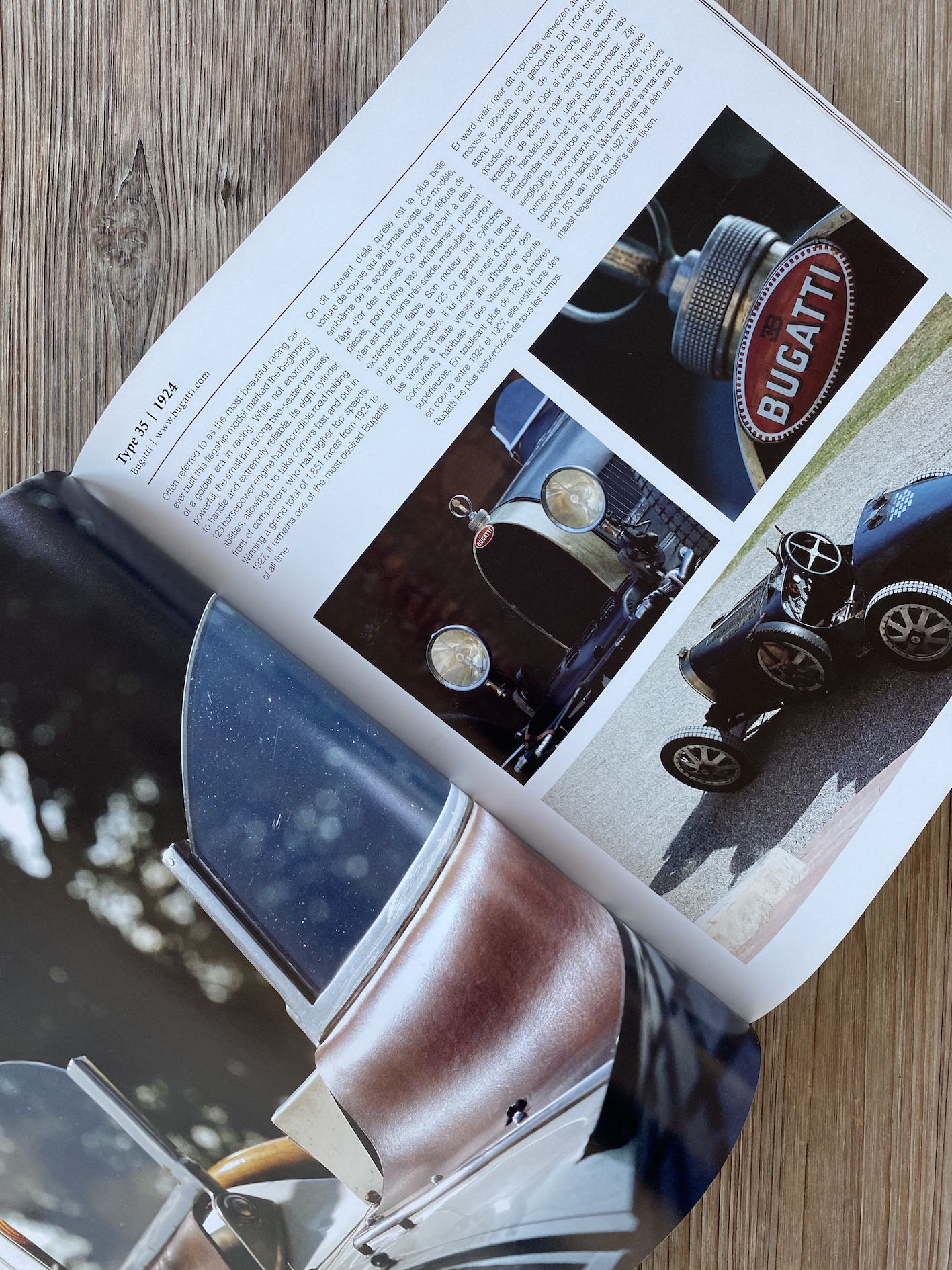
At the top of the keepsake hierarchy sit custom print magazines and coffee-table books. These are not brochures with better photography. They are editorial products with a clear point of view, a defined audience, and content worth reading. Done properly, they don’t look or feel like marketing. They look and feel like publishing.
Over 20 years of producing 80+ high-end magazines and 30+ coffee-table books across hospitality, real estate, architecture, cybersecurity, and law, the pattern is consistent: the publications that get kept are the ones that were made to be kept from the start. That means an editorial spine (the central idea threading through every page), intentional pairing of words and images, and production quality that signals the brand’s seriousness.
Historical examples of branded print materials as keepsakes date back decades. Library collections of marketing ephemera, including branded labels, bookmarks, and publications, document how physical brand materials have always carried cultural and emotional weight beyond their immediate function [5].
Comparing Keepsake Marketing Material Types
| Material Type | Typical Lifespan | Best For | Brand Signal |
|---|---|---|---|
| Custom brand magazine | 6–18 months | Ongoing brand awareness, client retention | Editorial authority, depth |
| Coffee-table book | Years to decades | Milestone moments, property launches, anniversaries | Prestige, permanence |
| Branded notebook or journal | 3–12 months | Event gifts, client onboarding | Utility, everyday presence |
| Custom packaging with editorial inserts | Variable | Product launches, PR kits | Craft, attention to detail |
| Promotional apparel or accessories | 1–3 years | Community building, events | Belonging, casual brand affinity |
Custom promotional items from platforms like VistaPrint [6] serve a different function than editorial publications. Pens, tote bags, and branded apparel build casual brand presence. They’re useful, and they work for their category. But they don’t build the depth of brand perception that a beautifully produced magazine or book does. Both have a role. Knowing which role you need is the starting point.
Suppliers like Keepsake Promo [7] and WHCC [4] offer personalized keepsake products for specific marketing and gifting contexts. For brands that need something at the premium end of the spectrum, editorial publications represent the highest-impact category in the keepsake marketing materials landscape.
Common Mistakes That Kill a Keepsake’s Value
The most common mistake brands make with keepsake marketing materials is confusing production with purpose. A glossy cover doesn’t make something worth keeping. An editorial point of view does.
Treating a Keepsake Like a Brochure
A brochure lists services and features. A keepsake earns attention by offering something worth the reader’s time. When a brand commissions a magazine but fills it with product descriptions and sales copy, they’ve spent a premium budget on something that will be recycled. The format signals quality. The content has to deliver it.
In practice, the brands that get this wrong are the ones that start with “what do we want to say about ourselves?” instead of “what would our audience genuinely want to read?” The editorial spine, the central idea that threads through every article and image, has to serve the reader first. The brand message follows from that, not the other way around.
Underinvesting in Production Quality
Paper stock, binding, color accuracy, and finishing details are not afterthoughts. They are the mechanism by which quality is communicated physically. A reader can feel in seconds whether something was made with care. That feeling transfers directly to their perception of the brand.
- Thin, cheap paper communicates a cheap brand, regardless of design
- Poor color reproduction undermines photography investment
- Inconsistent binding or finishing signals a lack of attention to detail
- Generic templates produce publications that look like everyone else’s
Proper color work (softproofing, print color profiles) and multiple proofing rounds are where “made with care” becomes literal, not just a claim. Skipping these steps to save time or budget is the single most common reason a premium print project fails to deliver premium results.
Pro Tip: Request a physical print proof before approving a full print run. What looks correct on screen often reads differently on paper, and catching color or layout issues at proof stage costs a fraction of what a reprint does.
Distributing Without Strategy
A beautifully produced magazine sent to the wrong audience is wasted. The distribution plan matters as much as the publication itself. Who receives it, when, and in what context shapes how it lands. A publication delivered to a curated list of key clients and prospects, timed to a relevant moment in the relationship, will outperform a mass-mailed run every time.
Best Practices for Keepsake Marketing in 2026
The brands producing the most effective keepsake marketing materials in 2026 share one habit: they start with strategy, not with design. Every other decision follows from a clear answer to “what does this publication stand for, and who is it for?”
Build an Editorial Spine Before Anything Else
An editorial spine is the central idea that gives every article, image, and design decision its direction. It’s not a tagline. It’s the answer to: “If this publication were a person, what would it believe, and what would it talk about?” Without it, a magazine becomes a collection of disconnected content. With it, every page reinforces the brand’s identity.
- Define the publication’s core point of view (not the brand’s mission statement, but a genuine editorial position)
- Map every article idea against that position before writing begins
- Establish a flatplan (a visual map of the full issue) before production starts
- Pair content and imagery with intention, not by default
- Build in multiple proofing and review rounds before print
At Rethink Publishing, we’ve found that clients who invest time in the editorial spine phase produce publications that get kept. The ones who skip it produce publications that get recycled, regardless of how much was spent on design or print.
Match Material Quality to Brand Positioning
The physical properties of a keepsake communicate the brand’s values before a single word is read. Paper weight, finish (matte, soft-touch, gloss), binding style, and dimensions all carry meaning. A law firm’s annual publication should feel different from a hospitality brand’s seasonal magazine, even if both are high quality. The material choices should be deliberate, not default.
- Heavyweight uncoated stock signals editorial credibility and warmth
- Soft-touch laminate covers communicate premium tactile quality
- Perfect binding suits magazines; case binding suits coffee-table books
- Spot UV or foil finishes add distinction for milestone publications
Pro Tip: Brief your print partner on the brand’s positioning before discussing paper and finish options. A printer who understands “this brand is understated and precise” will steer you toward different specifications than one who’s just matching a budget line.
Research from institutional archives shows that branded print materials have historically been preserved and studied precisely because of their physical quality and cultural resonance [8]. The publications worth keeping are the ones made to last.
Sources & References
- U.S. General Services Administration, “Purchase of Promotional or Memento Items,” GSA Directives Library
- Keepsake Products USA, “Committed to Helping Partners Stay Ahead,” keepsakeproductsusa.com
- Gretchen Rubin, “Spotlight on the Memento Keepsake Journal,” gretchenrubin.com
- WHCC, “Keepsakes: Personalized Photo Gifts & Marketing Materials,” whcc.com
- University of North Texas Libraries, “Every Book(mark) Has a Story: Marketing Materials,” exhibits.library.unt.edu
- VistaPrint, “Promotional Products: Create Custom Promotional Items,” vistaprint.com
- Keepsake Promo, “Promotional Products & Apparel,” keepsakepromo.com
- Jefferson Lab, “Finding Aid to the Communications Office Promotional Materials,” jlab.org
Frequently Asked Questions
1. What are the most effective promo prints?
The most effective promotional prints for brand-building are high-quality editorial publications: custom magazines, coffee-table books, and design-led annual reports. These keepsake marketing materials generate repeated brand impressions over months and years, unlike disposable items. For event-level visibility, branded notebooks, well-designed printed programs, and curated PR kits with editorial inserts also perform strongly because they combine utility with brand storytelling. The key variable is always quality: a beautifully produced piece earns a permanent place in someone’s space; a cheap one earns the recycling bin.
2. How long do keepsake marketing materials typically last?
It depends on the format and quality. A well-produced brand magazine typically remains in circulation for 6 to 18 months. A coffee-table book can last years or even decades, particularly if it documents a significant moment (a property launch, a company anniversary, a design portfolio). Promotional apparel lasts 1 to 3 years of active use. The lifespan is directly tied to quality: materials that feel premium and contain genuinely interesting content get kept; others don’t. There’s no shortcut to longevity.
3. What makes a marketing material a true keepsake rather than a giveaway?
Three things separate a keepsake from a giveaway. First, editorial value: the content offers something genuinely worth reading or referencing, not just brand messaging dressed up as articles. Second, physical quality: the paper, printing, and finishing are good enough that the object itself feels worth keeping. Third, relevance: it reaches the right person at the right moment, so it lands as something meaningful rather than something generic. A promotional pen is a giveaway. A beautifully produced magazine that reflects the recipient’s world is a keepsake.
4. Which industries benefit most from keepsake marketing materials?
Any industry where brand perception, trust, and long-cycle relationships drive revenue benefits from this practice. In practice, this includes luxury hospitality, high-end real estate, architecture and design, private members’ clubs, law firms, financial services, and increasingly, B2B technology and cybersecurity companies that want to humanize their brand and stand out in a category saturated with identical digital content. The common thread is a client relationship that’s worth investing in over time, not a transactional sale that closes in one click.
5. How do you measure the ROI of keepsake marketing materials?
Measuring return on this method requires thinking differently about ROI. You’re not tracking click-through rates. You’re tracking brand perception, client retention, referral quality, and deal velocity with clients who’ve received the publication. Qualitative signals matter here: clients who reference the magazine in meetings, prospects who mention it before a first call, partners who share it unprompted. These are indicators of the kind of top-of-mind awareness that keepsake marketing builds. It’s a long-cycle investment, not a campaign metric.
6. How many copies should a brand print for its first keepsake publication?
Print runs for first-edition keepsake publications typically range from 500 to 5,000 copies, depending on the audience size and distribution strategy. A curated list of 500 key clients and prospects, reached with a beautifully produced magazine, will outperform a mass run of 5,000 sent indiscriminately. Start with a focused distribution strategy, define exactly who receives a copy and why, and let that determine the quantity. Quality of distribution matters more than volume. Results depend on your specific situation and audience.
Conclusion
this strategy represent a fundamental shift in how brands think about attention. Not borrowed attention, rented by the impression from a platform that owns the relationship. Earned attention, built into a physical object that someone chooses to keep in their space.
The brands getting this right in 2026 aren’t abandoning digital. They’re adding a physical layer that digital cannot replicate: something beautiful, editorial, and permanent. A magazine that reads like a world-class publication. A coffee-table book that documents a brand’s vision with the seriousness it deserves. A keepsake that stays in a client’s home or office for months, keeping the brand present without paying for another impression.
This isn’t nostalgia for print. It’s a clear-eyed recognition that the most valuable thing a brand can earn right now is time and attention in a distraction-free environment. this approach are one of the few formats that actually deliver that.
At Rethink Publishing, we’ve spent over 20 years producing exactly this kind of work: 80+ high-end magazines and 30+ coffee-table books, end to end, for brands that understand the difference between a campaign and a brand asset. If you’re ready to build something worth keeping, the place to start is rethink-publishing.com.
Recommended Articles
Explore more from our content library: