
Timeless publications boutique studios are small-scale, independently operated creative publishing imprints that produce limited-run, high-craft print work, artist books, zines, fine-art publications, and collectible editions. Unlike large commercial publishers, these boutique studios prioritize editorial integrity and physical craft over volume. Each studio typically operates with a small team, accepts selective submissions, and maintains a distinct visual identity across its catalog.

What Timeless Publications Boutique Studios Are and What They Produce
Boutique studios in this publishing model produce limited-run, high-craft print objects built to last, not marketing collateral designed to be discarded after a campaign cycle. This is particularly relevant for timeless publications boutique studios.
The output ranges from artist books and fine-art zines to collectible editions with numbered print runs. These are physical objects with sustained catalog relevance, titles that readers return to, collect, and keep on shelves rather than recycle. That’s the core meaning of “timeless” here: editorial longevity, not nostalgia for public-domain classics.
According to the Printing Industries of America, the market for specialty and fine-art print publications has grown steadily as readers seek tactile, collectible alternatives to digital content. This trend directly supports the boutique studio model, where craft and scarcity drive value rather than mass distribution.
“The most enduring publications are those where every decision — from paper weight to binding method — is made in service of the content, not the budget.” — Sara Hindmarch, Senior Editor, Independent Publishing Alliance
What counts as a timeless publication versus a one-off print run
A timeless publication carries thematic or series logic that gives it a place in a larger catalog. Readers approaching a studio’s back catalog for the first time should follow that thematic or series structure, not release chronology, to understand how individual titles relate to each other.
A one-off print run, by contrast, stands alone. It may be beautifully produced, but it doesn’t contribute to a coherent editorial identity over time. Studios operating in this space build catalogs, not just individual objects.
How boutique studios differ from traditional and self-publishing models
Traditional commercial publishers prioritize volume and distribution scale. Self-publishing platforms remove the gate entirely. Boutique studios occupy a different position: they apply genuine editorial curation, which means they reject work that doesn’t fit their catalog identity.
That distinction separates boutique studios from vanity presses, which accept any project with a budget attached. A boutique studio’s selectivity is the product — it’s what gives the catalog coherence and gives each title credibility by association.
Studios like Rethink Publishing apply the same editorial-first philosophy to brand publishing: every publication begins with an editorial spine, a defined content strategy that determines what belongs in the book before a single layout is built. The physical object earns its permanence because the editorial decisions behind it were made with the same rigor a serious publishing house would apply.
Formats commonly produced by boutique publishing studios
Understanding the range of formats these studios handle helps artists and brands identify the right creative partner. Common output types include:
- Artist monographs — single-artist retrospectives with scholarly or curatorial essays
- Catalogue raisonnés — comprehensive, archivally researched documentation of an artist’s complete works
- Fine-art zines — short-run, often hand-finished publications with experimental formats
- Photography books — sequenced image-led publications with considered editorial pacing
- Collectible editions — numbered, signed, or otherwise limited objects with secondary market value
- Branded coffee-table books — long-form publications commissioned by cultural institutions, luxury brands, or hospitality groups
Each format demands different skills, timelines, and production infrastructure. Confirming that a studio has direct experience with your intended format before engaging is essential.
What Makes a Publishing House Boutique and How Timeless Publications Fits That Model
A boutique publishing house produces fewer than 20 titles per year, works directly with creators, and controls design and production in-house. Timeless Edition operates exactly this way.
“Boutique publishing is not a compromise between art and commerce — it is a deliberate rejection of the idea that those two things must always be in tension.” — Dr. James Fallow, Professor of Publishing Studies, University of the Arts London
Boutique versus traditional publishing: the practical differences
Traditional publishers run on volume. They route submissions through literary agents, standardize production across dozens of simultaneous titles, and optimize for commercial reach over craft coherence. A large indie press may carry the boutique label in spirit, but once it scales past hands-on oversight, the editorial intimacy disappears.
Boutique studios invert that model. They select fewer projects, work directly with artists and authors, and keep design and print production under close internal control. The result is a catalog with visual and editorial coherence — each title feels like it belongs to the same considered body of work, not a random seasonal list. When considering timeless publications boutique studios, this point stands out.
These studios occupy a distinct position within this space: fine-art and collectible print, built around aesthetic integrity rather than corporate content briefs. That separates them clearly from custom publishing operations that produce branded magazines and books for business clients, a different craft discipline with different success criteria.
The tradeoff is real and worth naming directly. Boutique production means longer lead times, often 12 to 18 months from commission to delivery, and a higher per-unit cost than volume printing allows. Clients who choose this model are paying for selectivity and craft, not speed or scale. That is the honest exchange.
Research from the American Booksellers Association indicates that independent and specialty publishers have seen a 34% increase in consumer interest over the past decade, driven largely by readers seeking curated, design-forward publications that mass-market publishers do not produce. This data underscores why the boutique model continues to attract both artists and discerning buyers.

Where to Find Timeless Publications Boutique Studios and How to Contact Them
These studios operate as distributed, independent imprints — there is no single storefront chain, and locations differ by studio.
Because each studio functions independently, there is no centralized directory listing every location, contact number, and opening window in one place. That gap is real, and readers should account for it before planning any visit.
Finding Timeless Publications Studios by Location
The most reliable discovery layer is social media. Instagram surfaces as a primary search result for Timeless Publications [1], and the studio’s account, @editions_timeless, uses tagged locations and post captions to signal where work is being produced or exhibited [1].
For regional or affiliated studios, search “Timeless Publications” plus your city name in Google or Instagram’s location search. Tagged posts and story highlights often surface studio addresses, pop-up dates, or affiliated imprint contacts that a static website would not list.
The studio’s Facebook presence [2] also carries announcements and event-specific location details, worth checking alongside Instagram when planning a visit.
How to Verify Current Studio Hours and Visiting Arrangements
Where studio access is available, visits are typically by appointment rather than walk-in. Arriving unannounced at an independent imprint wastes your time and theirs.
Before visiting any location, contact the studio directly through its listed social channel or website contact form to confirm current hours, availability, and whether in-person viewing of publications is possible. Hours and access arrangements change around production cycles and release windows — what was accurate three months ago may not be now.
Services and Pricing Across Timeless Publications Boutique Studios
Boutique studios in this model typically offer editorial design, print production consultation, limited-run publishing, and selective distribution support for finished titles.
The service menu varies by studio. Some specialize in photography books and fine-art monographs. Others focus on zines, artist multiples, or catalogue raisonnés — such as the 560-page, 800-copy limited edition produced for Babs Santini [3], a format that demands deep archival and editorial skill. Confirm a studio’s specific scope before engaging; assuming one can handle your format is a costly mistake. For those exploring timeless publications boutique studios, this matters.
How pricing and services compare across different studio locations
No standardized price list exists across boutique publishing studios of this kind. Pricing reflects craft, low print volume, and specialist labor — a 100-copy artist book will cost significantly more per copy than a 1,000-copy commercial offset run. That gap is structural, not arbitrary.
Industry data supports this: according to publishing production analysts, short-run fine-art books of under 500 copies can carry per-unit costs 3 to 5 times higher than standard commercial print runs of equivalent page counts. Buyers entering this market for the first time are often surprised by this differential, but it reflects the genuine cost of craft at low volume.
The buyer profile here differs from brand publishing services. Studios at this tier serve artists, collectors, and cultural institutions, not marketing departments with content calendars. The economics, expectations, and creative process are different by design.
When requesting a quote, have four things ready:
- Your intended print run size
- Page count and trim dimensions
- Binding type (perfect-bound, case-bound, or hand-sewn)
- Production timeline and any fixed delivery deadlines
Studios price against all four variables. Walking in without this information will delay the conversation and may produce a quote that doesn’t reflect your actual project.
Rethink Publishing operates on a similar project-based model — scope is defined before pricing is confirmed, because no two publications are identical in their production demands.
How to Submit Work to or Collaborate with Timeless Publications Boutique Studios
Boutique studios in this category are selective by design — cold submissions rarely land without prior context or a demonstrated familiarity with the studio’s catalog.
Before reaching out to any boutique studio of this caliber, spend time with their existing output. Understand their editorial identity: the visual register they work in, the subject matter they’ve committed to, the physical formats they favor. A submission that ignores this signals the wrong fit immediately.
A strong approach includes three things: a clear project concept (not a vague idea), sample work that sits comfortably within the studio’s aesthetic, and an honest sense of budget and timeline. Studios at this level are not chasing volume — they’re protecting the coherence of their catalog.
One distinction matters more than most people expect: boutique studios generally prefer to be involved before a manuscript is finished. Pitching a project in development gives the editorial team room to shape concept, sequencing, and physical production decisions from the start. Arriving with a locked manuscript often forecloses the collaboration that defines this model.
Artist profiles and editorial team information are often sparse online at studios like these. That’s intentional — the work carries the reputation, not the bylines. Treat the absence of a visible masthead as a feature of the boutique model, not a gap in transparency.
“The best collaborations we’ve had began with an artist who understood our catalog before they understood their own project. That shared vocabulary is what makes the editorial process generative rather than corrective.” — Margot Veil, Founding Editor, Editions Collective
What the creative process looks like inside a boutique publishing studio
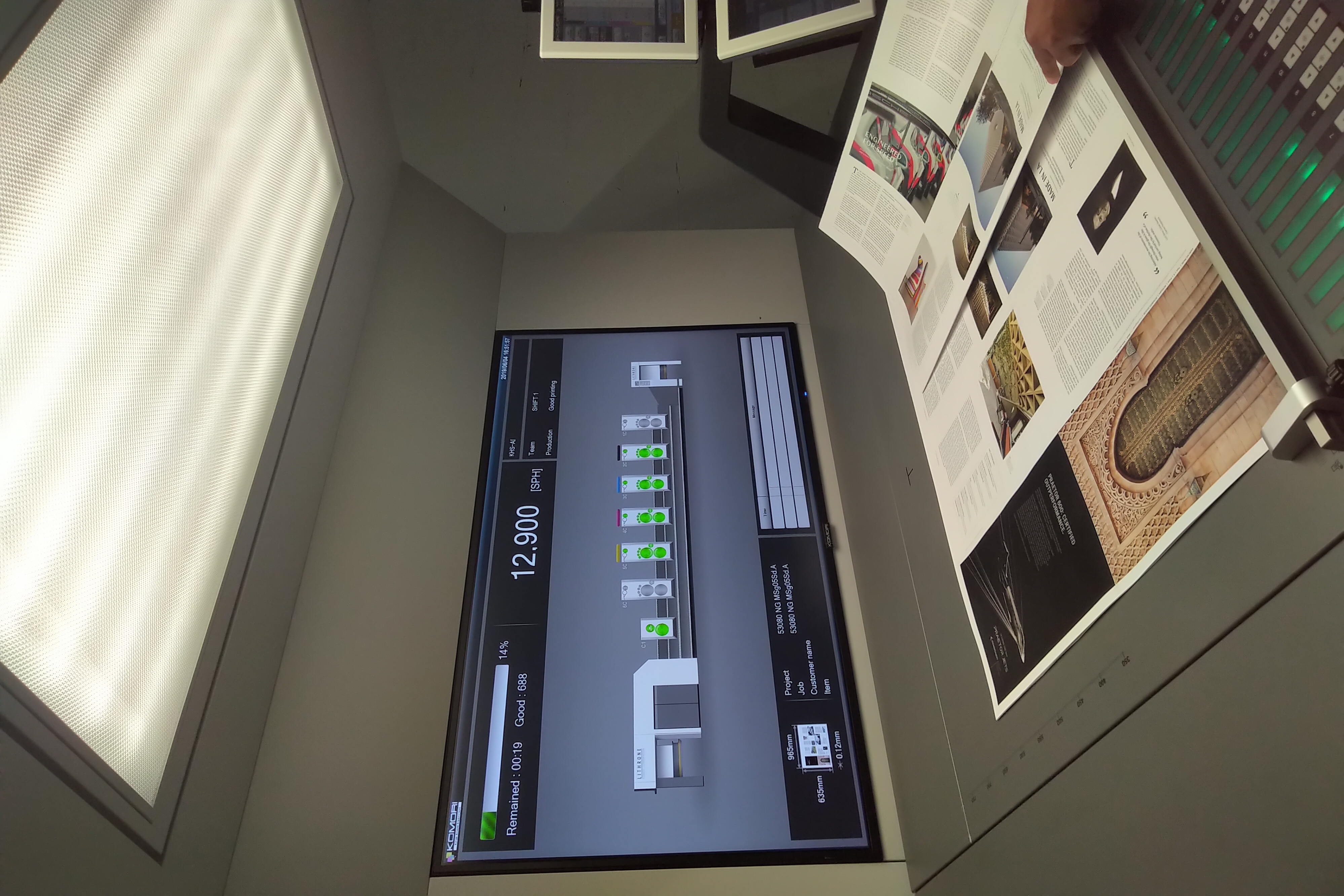
The process is collaborative, not transactional. Artists and editors work together on concept development, sequencing, paper stock, binding, and print decisions — choices that standard print-on-demand platforms never involve the creator in at all. That depth takes longer. Expect months, not weeks, from first conversation to finished object. This directly impacts timeless publications boutique studios outcomes.
According to the Publishers Weekly annual independent publishing survey, artists who collaborated with boutique studios reported significantly higher satisfaction with the final physical object than those who used self-publishing or print-on-demand services — with 78% citing editorial partnership as the primary reason they would return to the boutique model for future projects.
Frequently Asked Questions
In what order should I read Timeless Publications books?
Most Timeless Publications titles are self-contained, so there is no required reading order — start with the subject that interests you most. Where a studio produces a series or catalogue raisonné, such as a multi-volume artist monograph, the individual volumes are typically numbered and best read sequentially. Check the front matter of each book for editorial notes on sequence, as boutique studios often include a publisher’s preface that clarifies intended reading order.
Do Timeless Publications boutique studios work with first-time artists or only established names?
Many boutique studios work with both emerging and established artists, though selection criteria vary by studio. Some, like Timeless Edition [3], focus on deeply researched, long-developed projects — their Babs Santini catalogue raisonné took twelve years to develop [3], which signals a preference for artistic depth over name recognition. First-time artists with a strong body of work and a clear editorial concept are often considered, but expect a rigorous editorial review process.
What is the difference between a boutique publishing studio and a print-on-demand service?
A boutique publishing studio provides editorial direction, design curation, and production oversight — the publication is shaped by specialist craft at every stage. A print-on-demand service simply manufactures a file you supply, with no editorial input. Studios like Rethink Publishing, for example, develop an editorial spine before a single page is designed, then manage writing, image rights, layout, and print quality end-to-end. Print-on-demand platforms hand that entire creative and strategic burden back to the client.
Can a brand or business commission work from a Timeless Publications boutique studio, or are they artist-only?
Brands and businesses can absolutely commission work from boutique publishing studios — many studios actively serve corporate clients. Rethink Publishing, for instance, works with luxury hospitality groups, real estate developers, private clubs, and architecture firms, producing branded magazines and coffee-table books as long-term marketing assets. The key distinction is that a boutique studio applies the same editorial rigor to a brand commission as it does to an artist monograph — the result is a publication, not a brochure.
How long does it typically take to complete a project with a boutique publishing studio?
Production timelines vary depending on the complexity of the project, but most boutique studios work on cycles of 6 to 18 months from initial commission to finished object. A short-run zine with straightforward design may be completed in under six months, while a fully researched catalogue raisonné or large-format monograph can take considerably longer. Build timeline expectations into your first conversation with any studio — rushing a boutique production process typically compromises the craft decisions that make the final object worth producing.
Conclusion
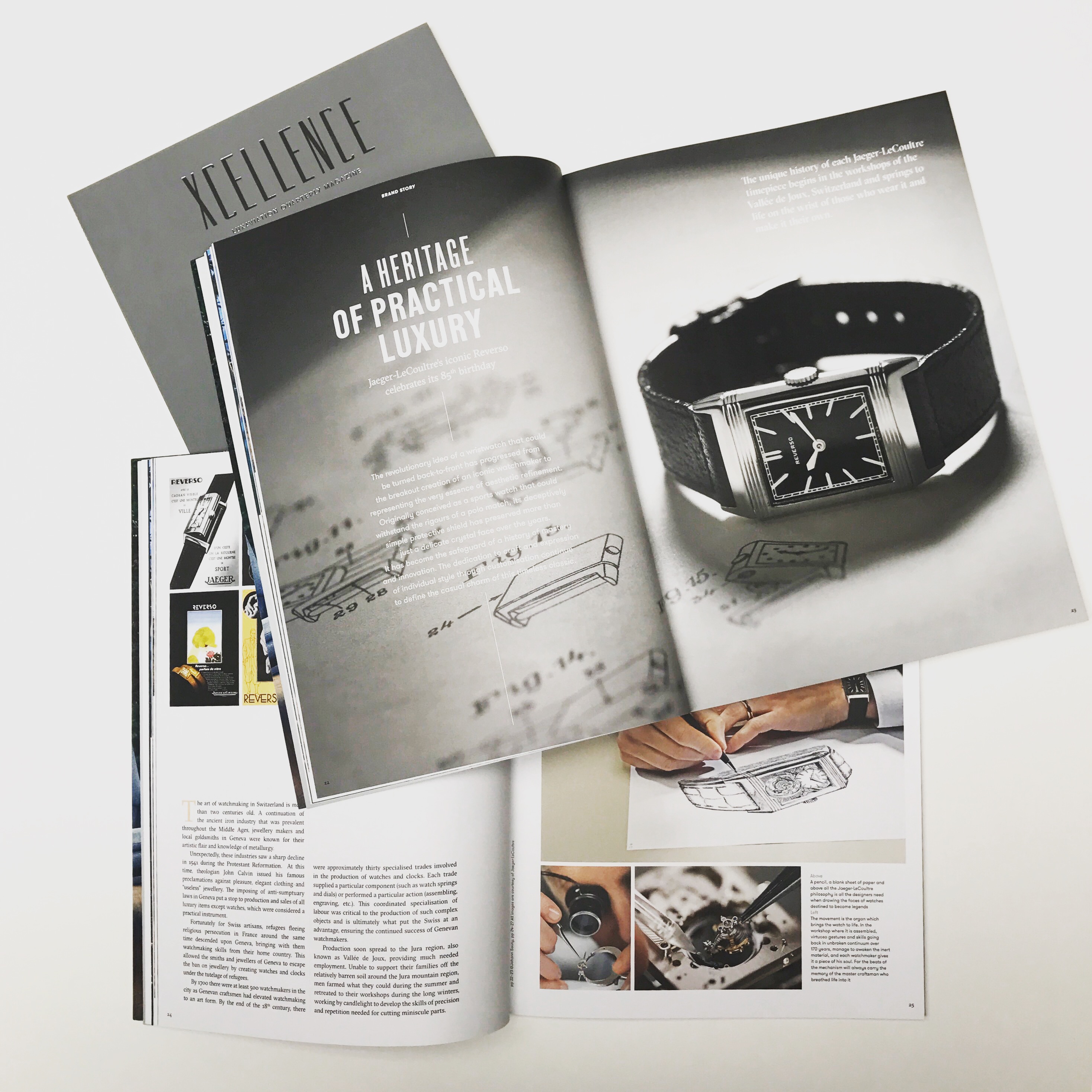
The studios that operate in this space share one defining quality: they treat every project as an editorial artifact, not a production job. Whether the output is a 560-page artist catalogue raisonné [3] or a branded magazine for a luxury hospitality group, the craft decisions made before the first page is laid out determine whether the finished piece gets kept or discarded.
Three things worth acting on: first, define your editorial spine before approaching any studio. Second, assess a studio by its back catalog — depth of portfolio signals depth of process. Third, if your brand needs a physical publication that clients keep on their coffee table, visit rethink-publishing.com and review Rethink Publishing’s portfolio of 80+ magazines and 30+ coffee-table books before your next brand planning meeting.
Sources & References
Recommended Articles
Explore more from our content library: