
Understanding narrative driven publishing is essential. Narrative-driven publishing is an editorial approach where every article, image, and page serves one connecting story rather than a list of features or announcements. It treats a magazine, report, or coffee table book the way an editor treats an issue: built around a spine, a theme, a question, an arc, so readers move through it with purpose instead of skimming disconnected sections. For companies, this matters because a coherent narrative builds trust and retention in ways a features list never can, whether the finished piece is a printed magazine, an annual report, or a client-facing coffee table book. Brands that commit to narrative driven publishing are, in effect, choosing to be read rather than skimmed.
What Is Narrative-Driven Publishing?
Narrative-driven publishing means every page answers to one story, not a checklist of features, claims, or announcements stitched together after the fact.
Most corporate content works the other way around. A brochure lists what a company does: services offered, awards won, square footage of the new office. Narrative-driven publishing does something different, it shows why any of that matters, through a storyline that carries a reader from the first page to the last. One approach informs. The other builds a case, scene by scene, for why the company deserves attention in the first place.
What Makes a Story ‘Narrative-Driven’?
The term borrows its logic directly from magazine and book publishing, not from marketing departments. Editors have always built issues around a spine, a theme, a tension, a question the whole publication works to answer, then chosen voice, arc, and pacing to serve that spine. Narrative-driven publishing takes that same editorial discipline and applies it to brand-owned material. Publishers who specialize in story structure, such as Story Grid Publishing, have spent years formalizing exactly this kind of spine-first thinking for books, and the same logic transfers cleanly to corporate publishing. The spine might be a founder’s original conviction, a decade of craft, or the tension between old-world hospitality and modern travel. Whatever it is, every article, photograph, and layout choice has to serve it or it gets cut.
This isn’t a fiction-only idea. Narrative driven publishing shows up in several familiar formats, each still governed by one throughline:
- An internal culture magazine, built around a spine about how the company actually works, not a list of benefits.
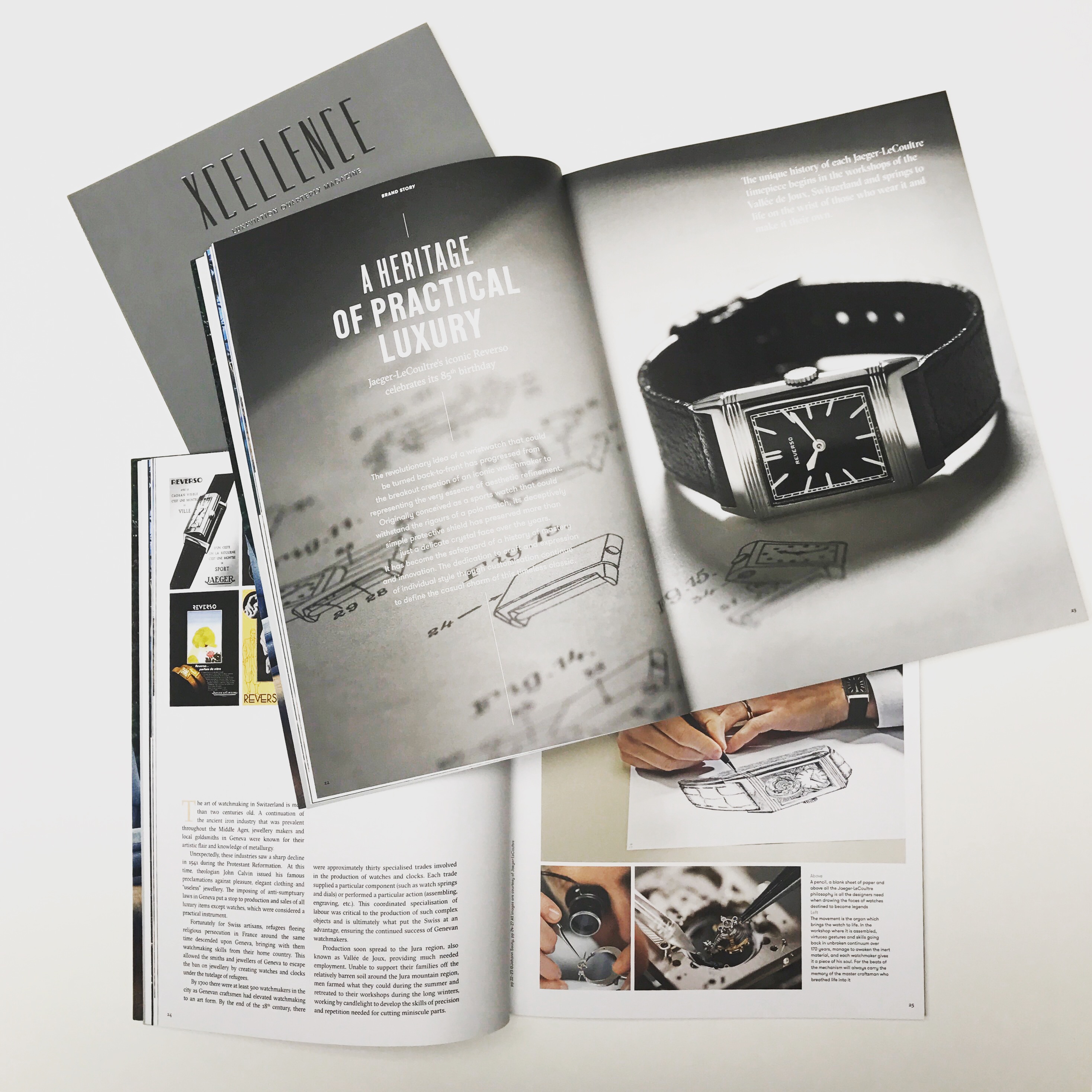
- A client-facing coffee-table book, where images and captions trace one argument about craft or place rather than functioning as a product catalog.
- Founder storytelling that follows one throughline instead of a highlight reel of achievements.
- A quarterly thought-leadership publication that carries one question across every issue rather than restarting the pitch each time.
The format changes; the spine doesn’t.
How Does Narrative-Driven Publishing Work?
Narrative-driven publishing works by fixing a single editorial spine first, then filtering every writing, design, and print decision through it. The spine is a governing theme or question, not a topic list, and it decides what gets cut as much as what gets included.
A magazine about a hospitality brand’s expansion, for instance, might commit to a spine like “how a family business scales without losing its welcome.” That question rules out a generic profile of every new property and rules in the two or three stories that actually test it. Without that discipline, a publication turns into a folder of unrelated content stapled together, which is exactly what separates a magazine from a brochure.
Who Is Involved in Producing a Narrative-Driven Publication?
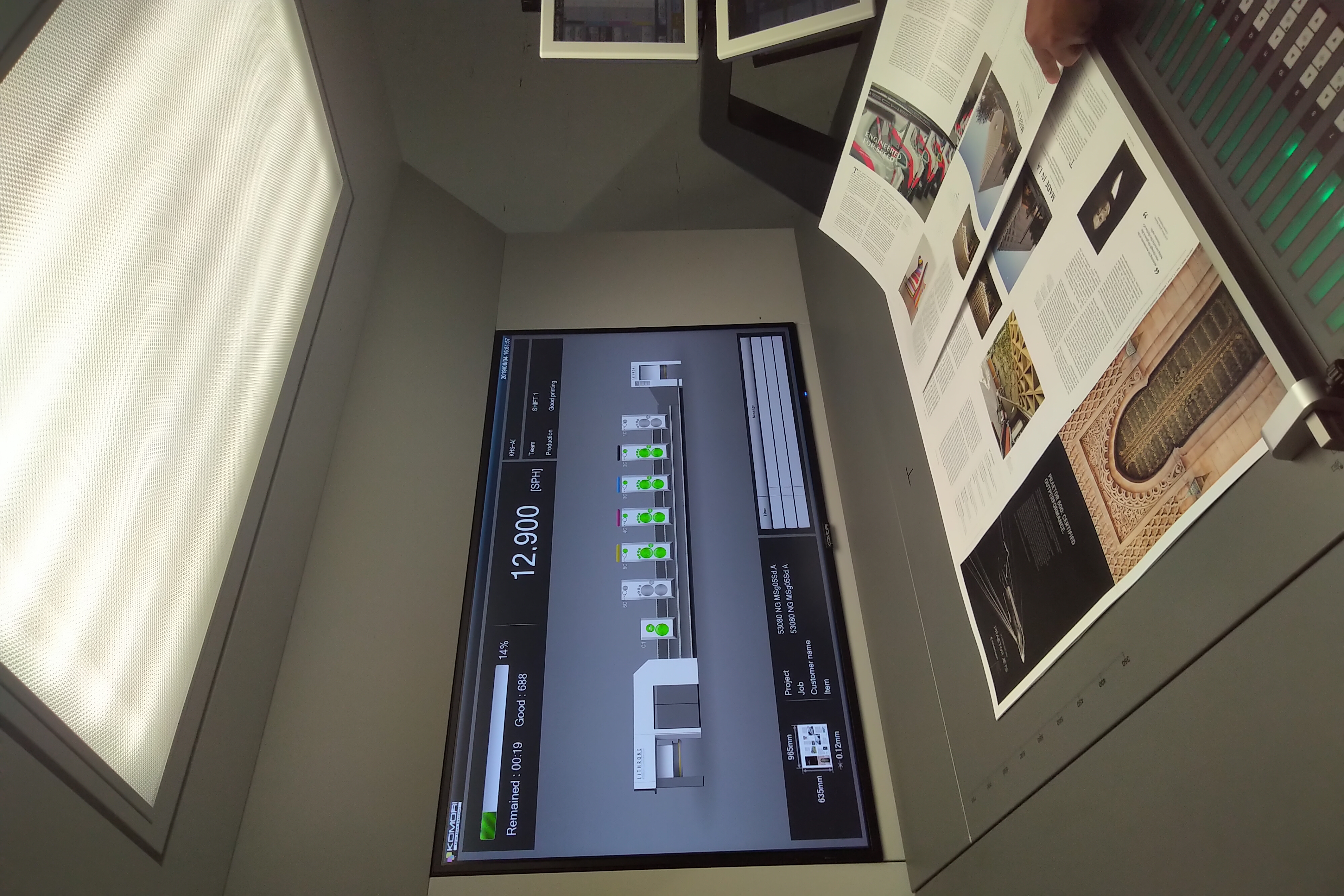
Production runs in a fixed sequence, and each stage exists to protect the spine set at the start. Strategy and editorial planning come first, deciding the spine, the sections, and the sources. Design follows, translating that spine into layout, pacing, and image pairing rather than decorating text after the fact. Print production and delivery come last, where paper stock, binding, and finishing either reinforce the story or quietly undercut it.
At Rethink Publishing, this sequence runs as one managed process rather than a handoff between vendors, so the editorial intent set on day one is still visible on the printed page months later.
Across multiple issues, the same logic scales up. Recurring characters, locations, or questions carry from one issue to the next, so readers experience progression rather than a series of standalone pamphlets, closer to a book’s chapters than a newsletter archive.
Format is part of that same decision, not an afterthought. A quarterly magazine suits an unfolding story with recurring installments; a coffee-table book suits a single, complete narrative arc meant to sit permanently on a shelf. Choosing between them belongs in the strategy phase, alongside the spine itself.

Why Does Narrative-Driven Publishing Matter for Brands?
Narrative-driven publishing matters because a story gives a reader context for why a fact matters, and context is what makes a fact stick.
A feature list tells a reader what a company does. A story tells them why it matters, to whom, and what happens next, and that context is what the brain holds onto after the page is closed. This is the entire argument for editorial structure over spec sheets: a magazine built around a clear editorial spine gives every fact a place to live, so the reader remembers the client who transformed a struggling property rather than a bullet point about square footage.
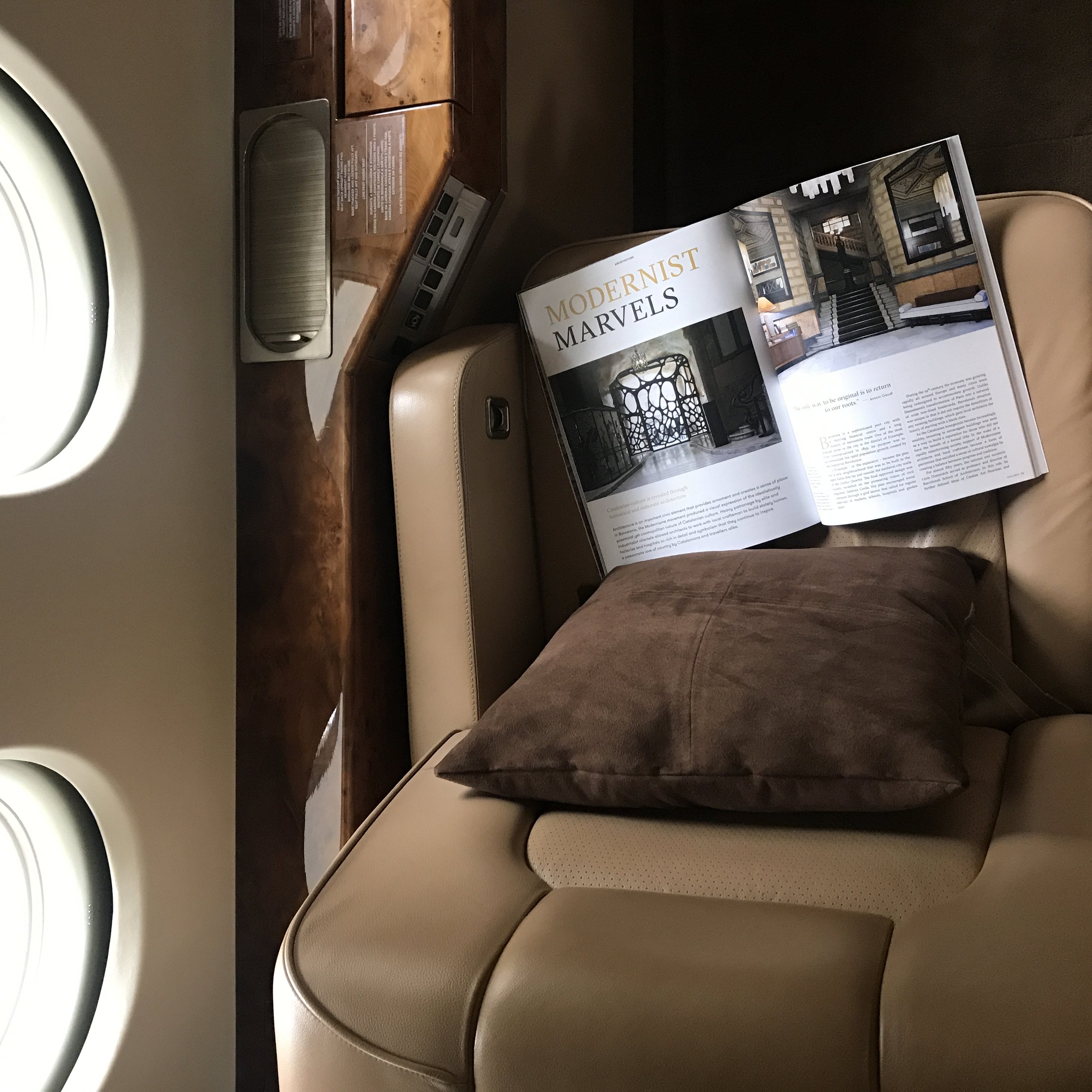
A printed piece carries a second signal that a feed post cannot: permanence. A social post disappears in 48 hours. A PDF sits unopened in an inbox. A well-made magazine sits on a coffee table for months, gets picked up by a second and third reader, and communicates, just by existing in physical form, that the brand behind it was willing to invest in something built to last. That signal of permanence is part of the message, not separate from it.
Sustained narrative also compounds. One campaign resets attention to zero the moment it ends. A publication that continues across issues builds on what the last one established, deepening a reader’s sense of who the brand is with each installment rather than starting the pitch over from scratch. This is one of the clearest advantages narrative driven publishing has over campaign-based marketing: it rewards patience instead of burning out after a single push.
Does Every Company Need a Narrative-Driven Publication?
No. Not every company needs one, and forcing a narrative where there isn’t a real story yet just wastes a good format on thin material. If a brand has no distinct point of view, no clients worth profiling, and no industry context worth explaining, a magazine will read as filler dressed up in nice layout. The format rewards companies that already have something worth saying, it doesn’t manufacture that substance for you.
Narrative-Driven Publishing vs Traditional Corporate Publishing
Traditional corporate publishing produces disconnected pieces, a brochure here, a quarterly report there, while narrative driven publishing builds one spine that runs through every issue.
A brochure sells. A one-off feature article informs. Neither asks what the reader felt on page 40 or whether they’ll remember the brand in six months. Traditional corporate publishing treats each deliverable as a standalone task: write it, design it, ship it, move to the next request. There’s no thread connecting this quarter’s report to next quarter’s, no character or theme carried forward. The result often reads competent but forgettable, accurate, on-brand, and gone from memory by the time the reader opens the next email.
Narrative-driven publishing works differently. Every article, image caption, and layout choice serves a spine established before a single word gets written. That spine, the editorial strategy behind the whole publication, is what makes issue three feel like a continuation of issue one, not a reset.
Is Narrative-Driven Publishing More Expensive Than Traditional Publishing?
Usually, narrative driven publishing sits closer to the premium end of the spectrum, and that’s the point, you’re paying for coherence and permanence, not for volume.
An in-house marketing team can produce more pages per quarter on a smaller budget, but coherence often slips as different writers rotate through. A general design agency can make each piece look sharp without ensuring the pieces connect. A print-only vendor handles the press run well but has no hand in the editorial strategy that came before it. Each route is a reasonable trade for a company that only needs volume. None of them optimizes for the same thing narrative-driven publishing does: a reader who still remembers the brand a year later.
The genre comparison matters too. A novel’s narrative arc resolves tension through invented plot. A corporate storyline, inside an internal culture magazine or a client-facing coffee-table book, resolves tension through a real arc: where the company came from, what it believes, where it’s headed. Rethink Publishing builds that spine first, before layout or print, for exactly this reason.
How Do You Apply Narrative-Driven Publishing to Your Brand?
Applying narrative-driven publishing to a brand starts with naming the one story that justifies the whole project, then letting every design and production choice follow from it. Skip that step and you get a well-designed brochure, not a magazine anyone keeps.
Find the Spine Before You Design Anything
The editorial spine, the central theme tying every article, image, and chapter together, has to exist before a designer opens a layout file. A founder’s 20-year turnaround story, a hotel group’s obsession with regional craftsmanship, a law firm’s decades of quiet client trust: pick one and build outward. Design applied before the story is settled just gets rebuilt later, at real cost.
Internal Stories Read Differently Than External Ones
An employee or culture magazine needs a different tone and structure than a client-facing coffee-table book. Internal narratives can be candid, informal, even self-critical, because the audience already trusts the brand. External narratives, the ones landing in a client’s home or a prospect’s boardroom, need more restraint and a higher design bar, since they’re doing the work of first impressions.
Genre Application Goes Well Beyond Fiction
Narrative structure applies to B2B content as directly as it applies to novels. Thought leadership can serialize across quarterly issues instead of living as one-off whitepapers. Instructional content reads better sequenced like chapters, building on what came before rather than repeating context. Founder and leadership stories carry more weight when they open an issue rather than sit buried in an “About Us” page.
What the Workflow Actually Requires
A narrative driven publishing program depends on a few capabilities working together, not a single tool or vendor:
- An editorial calendar that sequences issues around the spine rather than around whatever content happens to be ready.
- A print production partner who understands paper stock and binding as much as prose, since finishing choices reinforce or undercut the story.
- Clear distribution logistics, who receives the piece, and how, so the physical object actually reaches the reader it was built for.
These are capabilities to build or commission, not software to buy.
One Book or an Ongoing Magazine?
A single coffee-table book suits a flagship launch, an anniversary, or a fundraise, one defining moment captured permanently. A quarterly magazine suits brands that need a recurring reason to stay in a client’s hands. That choice tracks business goals, not just budget. Rethink Publishing, founded by Nathalie Grolimund with 20+ years in the craft, has produced both formats, 80+ magazines and 30+ coffee-table books, and starts every engagement by helping clients settle this question first.
Which Industries Benefit Most from Narrative-Driven Publishing?
Some industries lean on narrative driven publishing more naturally than others, largely because they sell trust and taste as much as a service:
- Hospitality groups, where guest experience is itself the story worth telling.
- Real estate and architecture firms, where craft and place carry as much weight as the transaction.
- Private clubs, where belonging is the product.
- Law firms, where decades of quiet client trust is the real asset.
Less obvious industries, cybersecurity among them, apply the same logic when the brand story is strong enough to carry a physical format.

Frequently Asked Questions
Is narrative-driven publishing only relevant to fiction publishers?
No, narrative-driven publishing applies just as much to brands, law firms, and hospitality groups as it does to novelists. Any organization with a real story to tell, a founding moment, a client transformation, a body of expertise, can structure that story into an editorial spine. We’ve built magazines around cybersecurity firms and boutique hotels alike; the discipline is identical.
How long does it take to develop a narrative-driven publishing strategy?
A workable strategy usually takes several weeks to define properly, not days. Rethink Publishing spends real time upfront defining the editorial spine, the throughline for content, before writing or design begins, because a rushed spine produces a shallow magazine no matter how good the photography is.
Can a digital-only brand use narrative-driven publishing?
Yes, and it’s often the highest-impact move a digital-only brand can make. Social posts and email newsletters compete for attention and disappear within days; a printed magazine sits on a coffee table for months. Brands that feel commoditized online use print specifically to create a physical, lasting counterpoint that digital channels can’t replicate.
What’s the real difference between a narrative-driven magazine and a brochure?
A brochure sells a product; a narrative-driven magazine tells a story the reader wants to keep. A brochure lists features and pricing with a transactional voice. A magazine has an editorial spine, real writing, curated imagery, and a reason to exist beyond the sale, which is exactly why people keep it instead of recycling it.
Do you need an in-house editorial team to start narrative-driven publishing?
No. Most brands that adopt narrative driven publishing don’t have an in-house editorial team at all; they commission one. What matters more than headcount is having someone accountable for protecting the spine across strategy, writing, design, and print, whether that’s an internal lead or a publishing partner who owns the whole process.

Conclusion
Narrative-driven publishing works because it treats your brand’s story as the product, not the wrapper around one. The takeaway for a CEO or brand executive: define the editorial spine before you commission a single photograph, choose print when you need permanence a feed can’t offer, and judge success by what readers keep, not what they scroll past. If you’re weighing whether your brand has a story that deserves this treatment, start by drafting the one sentence that would anchor an entire issue. If you can’t write that sentence yet, that’s the real starting point, and it’s exactly where a narrative driven publishing partner earns their keep.
Recommended Articles
Explore more from our content library: